


There’s a stretch of the Vermont calendar when winter has overstayed its welcome, the dirt roads are questionable at best and we’re all waiting somewhat impatiently for green grass and colorful flowers to return.
I actually think it’s a great time to explore Vermont.
You don’t need peak foliage, ski season or an 80-degree summer day to go somewhere you’ve never been. Pick a town. Find a general store. Drive a road you normally pass. Look for a covered bridge, order lunch somewhere new or find a trail you’ve never hiked.
And if you need a little motivation to get started, Vermont has an entire club dedicated to exactly this kind of exploring.
Meet the Vermont 251 Club. The premise is simple: visit every town and city in Vermont.
There’s no deadline and no prescribed route. You can spend a summer doing it, stretch the challenge over decades or slowly check off new places whenever you’re already traveling around the state.
For anyone who loves a road trip and wants a reason to explore beyond Vermont’s best-known destinations, it’s basically the ultimate Vermont bucket list.
What Is the Vermont 251 Club?
The 251 Club of Vermont was founded in 1954 with the idea of encouraging people to experience the entire state, not just the places they already knew.
Members set out to visit Vermont’s towns and cities, documenting their progress as they go. Once you’ve completed the challenge, you join a pretty specific group of people who can say they’ve deliberately explored every municipality in Vermont.
What I like about the idea is that it gives you a destination without prescribing the experience.
The point isn’t to follow someone else’s perfect Vermont itinerary. It’s to give yourself a reason to turn toward a town you’ve never visited and figure out what you’ll find when you get there.
That might mean walking around a village green, visiting a historical society, buying something at a farmstand, hiking a local trail, eating a creemee or sitting at the counter of a general store.
You decide what counts as experiencing the place.

Wait, Why Is It Called the 251 Club if There Are 252 Places?
Welcome to one of the first things you’ll encounter when you start researching the challenge.
The organization was founded around the goal of visiting Vermont’s 251 towns and cities, hence the name that has stuck for generations.
But the modern checklist includes 252 municipalities.
The extra stop is the Town of Essex and the City of Essex Junction. Essex Junction became an independent city in 2022 after separating from the Town of Essex, adding another municipality to the list without prompting an immediate rebrand of a club that had already been called the 251 Club for nearly 70 years.
So yes, you’re joining the 251 Club. And yes, your current challenge is 252. Very Vermont.
You Have to Actually Experience the Town
One of my favorite parts of this challenge is that the goal isn’t simply to drive through 252 places and check boxes as quickly as possible.
Get out of the car.
The 251 Club encourages members to actually experience the communities they’re visiting, which is where this challenge becomes much more interesting than collecting town signs.
Give yourself a mission in each place.
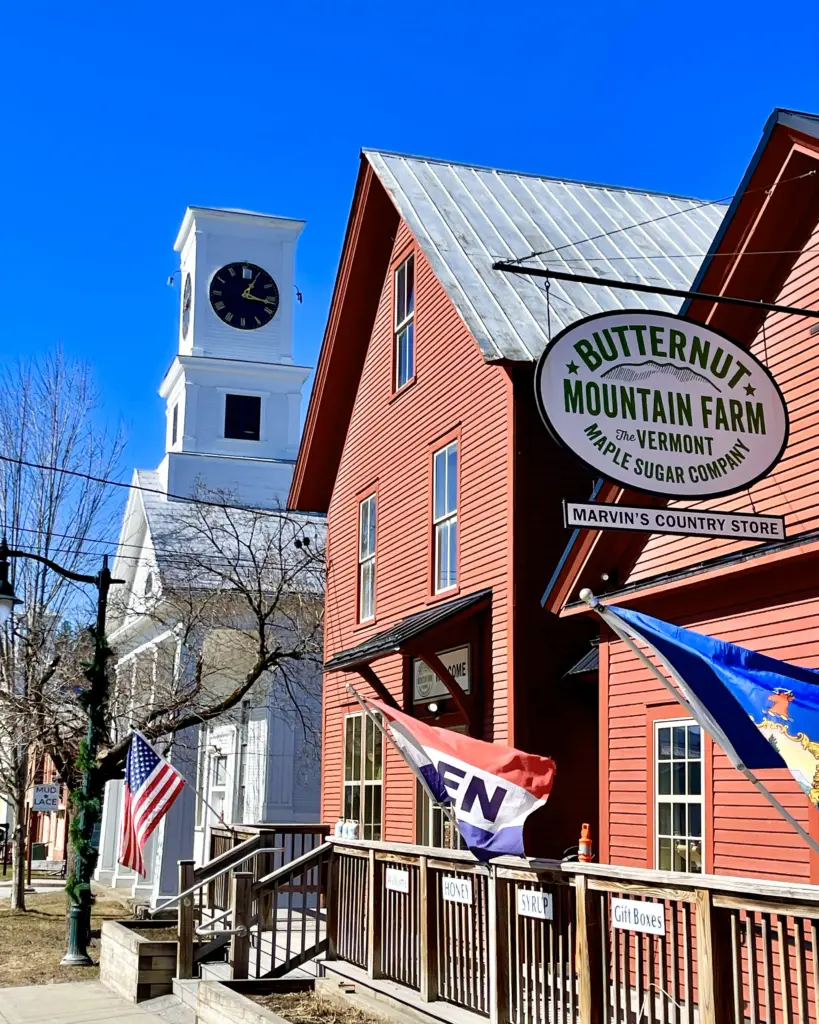
Find the general store. Walk through the downtown. Look for the town’s oldest building. Visit a farmstand. Find a swimming hole. Stop for coffee. Hike a trail. Buy maple syrup. Walk across a covered bridge. Eat a cider donut. Find the local museum. Order a maple creemee.
Some towns will have an obvious attraction. Others are going to make you work a little harder.
Those might end up being the most memorable ones.
How to Join the Vermont 251 Club
You don’t technically need to become a member to start exploring Vermont town by town, but joining the official club gives the challenge some structure and connects you with the organization that has been encouraging people to do this since the 1950s.
Members can track their progress as they work through the state and access tools designed to help document their travels.
There’s no required order and no time limit.
That means you don’t have to block out months and turn this into one enormous road trip. Start with the places you’ve already experienced, figure out what’s missing and slowly fill in the map.
If you live in Vermont, it could become a weekend project that lasts years.
If you’re visiting regularly, use the challenge to pull yourself into a different region every time you return.
Don’t Start With Vermont’s Most Famous Towns
If you’ve spent much time in Vermont, you’ve probably already covered quite a few places without realizing it.
Burlington? Check.
Stowe? Probably.
Woodstock, Manchester, Montpelier or Waterbury? There’s a decent chance you’ve been there too.
Those aren’t the places that make the 251 Club particularly interesting.
The fun starts when your map sends you toward towns you’ve heard of but never had a reason to visit, and eventually toward names you barely recognize at all.
That’s when Vermont starts feeling much larger than it looks on a map.
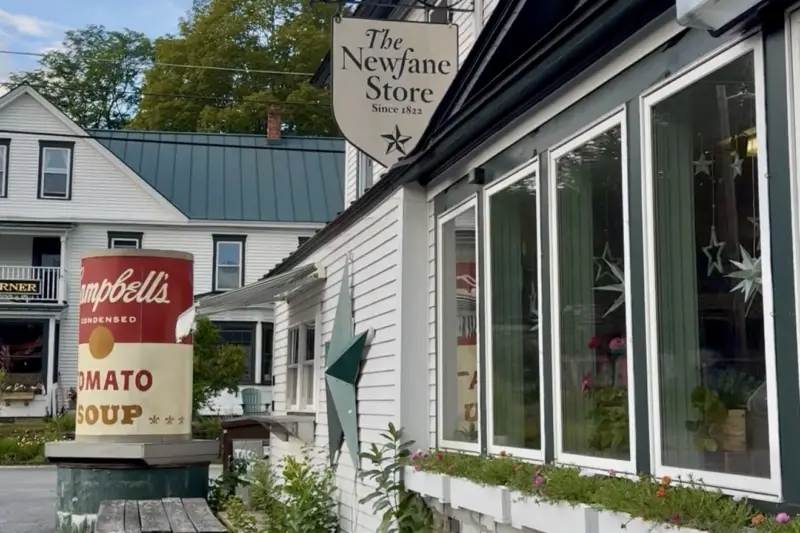
Instead of planning another weekend around the same handful of destinations, you might find yourself eating donuts near the Canadian border in Alburgh, hunting for miniature stone castles in South Hero, exploring a tiny general store in Newfane or driving into the Northeast Kingdom simply because there’s an unchecked town sitting on your map.
That’s my kind of road trip.
Give Yourself Something to Find in Every Town
I think the best way to approach the 251 Club is to turn every stop into a tiny assignment.
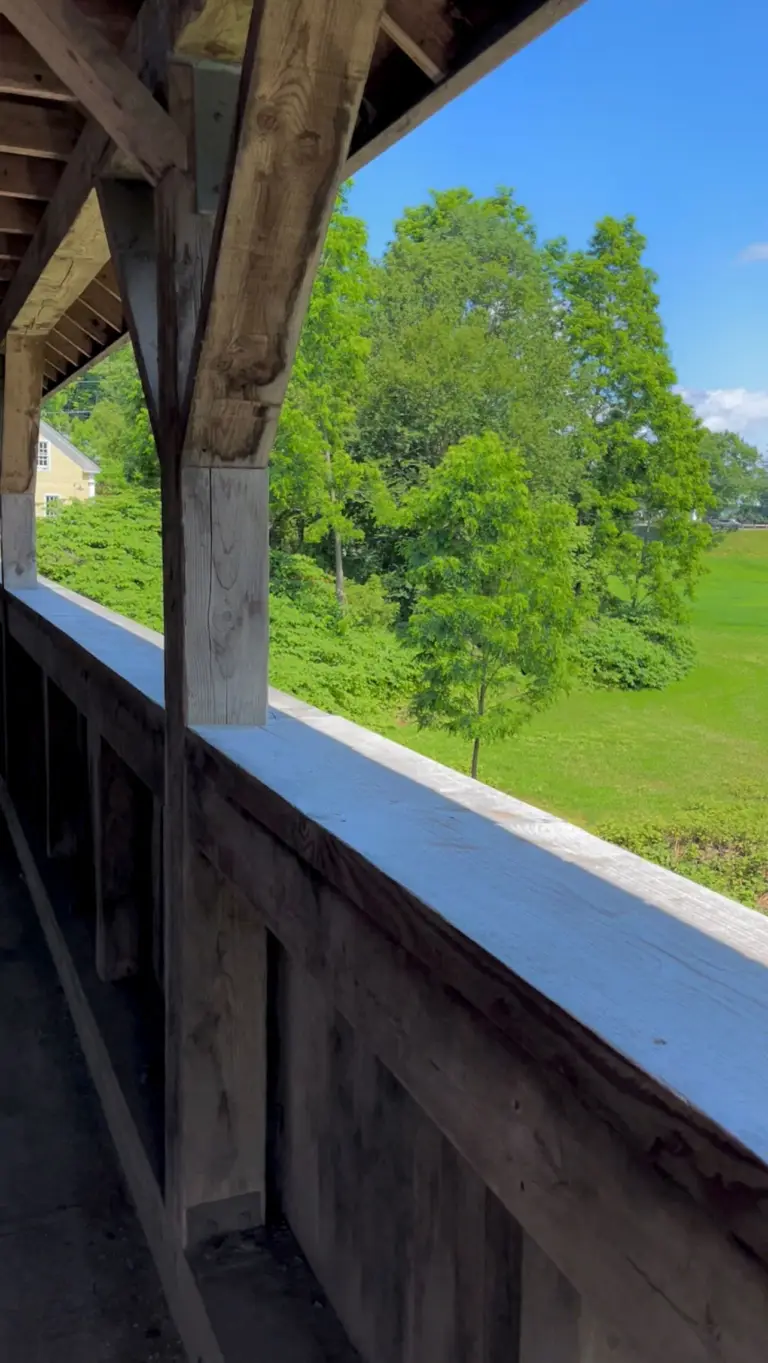
If there’s a covered bridge, find it. If the town has an old general store, go inside. If there’s a local bakery, I don’t need to explain what to do next.
Look for historic buildings, public art, unusual roadside attractions, small museums, swimming holes, hiking trails, farmstands, sugarhouses, orchards, independent restaurants and whatever else makes that particular place different from the town you just visited.
Talk to people too.
Ask someone working at the store what you should see before you leave. Find out where they get coffee, where they walk their dog or what event brings everyone into town each year.
That’s how a checklist starts becoming an actual understanding of Vermont.
Make the 251 Club a Four-Season Project
There’s no reason to attempt this challenge during one season.
Actually, I think it’s better if you don’t.
Visit ski towns in winter. Look for sugarhouses in March. Save lake towns and swimming holes for summer. Explore orchards and mountain roads in September and October. Use November or mud season for places where the attraction is a great restaurant, historic site, museum or general store rather than a mountain view.
Returning to different parts of Vermont throughout the year also gives you a much better sense of how dramatically life changes here from season to season.
Just remember that Vermont road conditions change with them. A dirt road that looks perfectly reasonable on a map can be a very different proposition during mud season, and some seasonal mountain roads aren’t meant to be part of your winter shortcut.
The challenge is to visit every town.
Not to prove that your Subaru can get through anything.
Use the Challenge to Spend Money in Small Vermont Communities
There’s another reason I like the 251 Club concept: it can direct your travel dollars toward communities you might otherwise drive straight through.
Buy the coffee. Order lunch. Pick up something from the farmstand. Pay the museum admission. Buy maple syrup directly from the sugarhouse. Get gas at the local station. Take home something from an independent shop.
You don’t need to spend a fortune in every town, but if you’re going somewhere specifically to experience it, supporting one of the businesses or organizations keeping that community going is a pretty good way to do it.
And it gives you something better to remember than a photograph of the town sign.
How I’d Start the Vermont 251 Club Challenge
Don’t overcomplicate it.
Join the club, pull up the map and start with the region closest to you.
Mark the towns you’ve genuinely experienced already rather than every municipality your car has technically passed through. Then look for the holes.
Pick three or four neighboring towns you’ve never explored and make a Saturday out of them. Find one thing you want to do in each before you leave home, but don’t schedule every minute. The unexpected stop is usually the point.
Then do it again somewhere else.
Eventually you’ll get to the hard part: those final scattered towns that require a trip specifically because you haven’t been there yet.
By then, I suspect you’ll be too invested to stop.
Vermont Is Bigger Than the Same 10 Towns
One of the reasons I started sharing Vermont places in the first place was because there’s so much more to this state than the handful of destinations that appear on every travel itinerary.
The 251 Club gives you a reason to prove that to yourself.
There are tiny communities, old general stores, forgotten historic sites, mountain roads, swimming holes, farms, bakeries, libraries, trails and people doing interesting things in every corner of Vermont.
You won’t love every stop equally.
You don’t need to. The point is to see what’s there.
So the next time you have a free Saturday and absolutely no interest in doing the same thing you’ve already done 20 times, pull up the map. Find an unchecked town. And go.








Talk with locals
Comments
Be the first to chime in
Been here? Your tip could save the next visitor a wrong turn.