


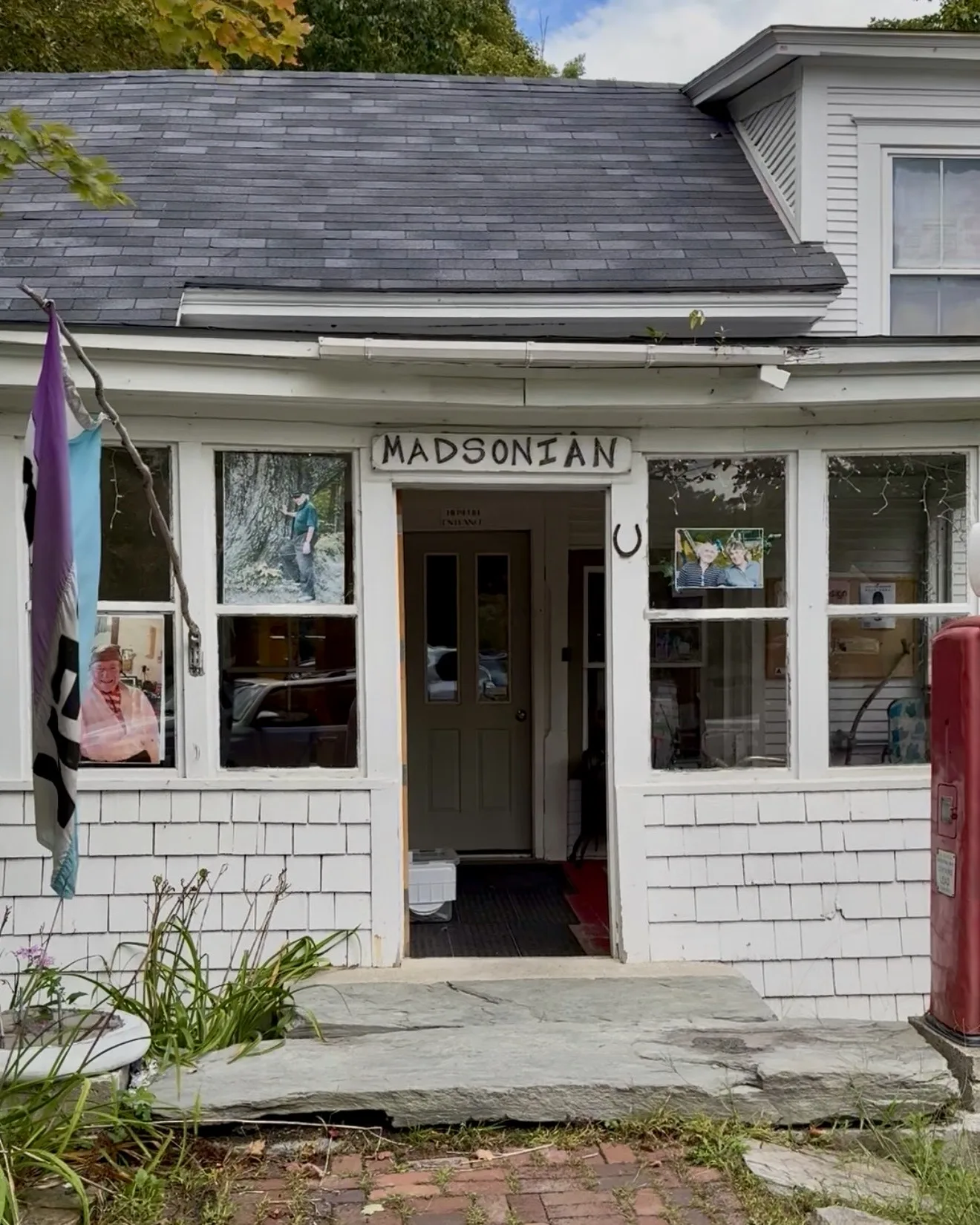
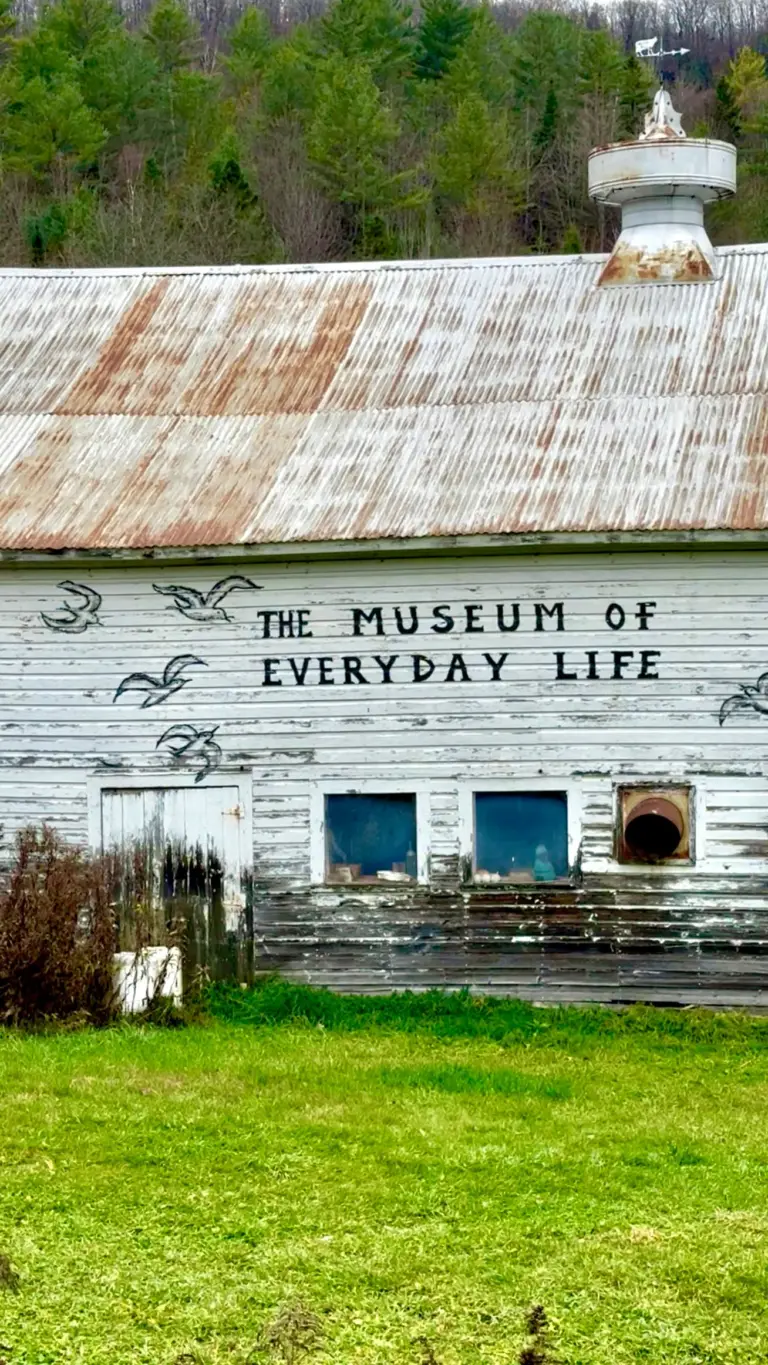
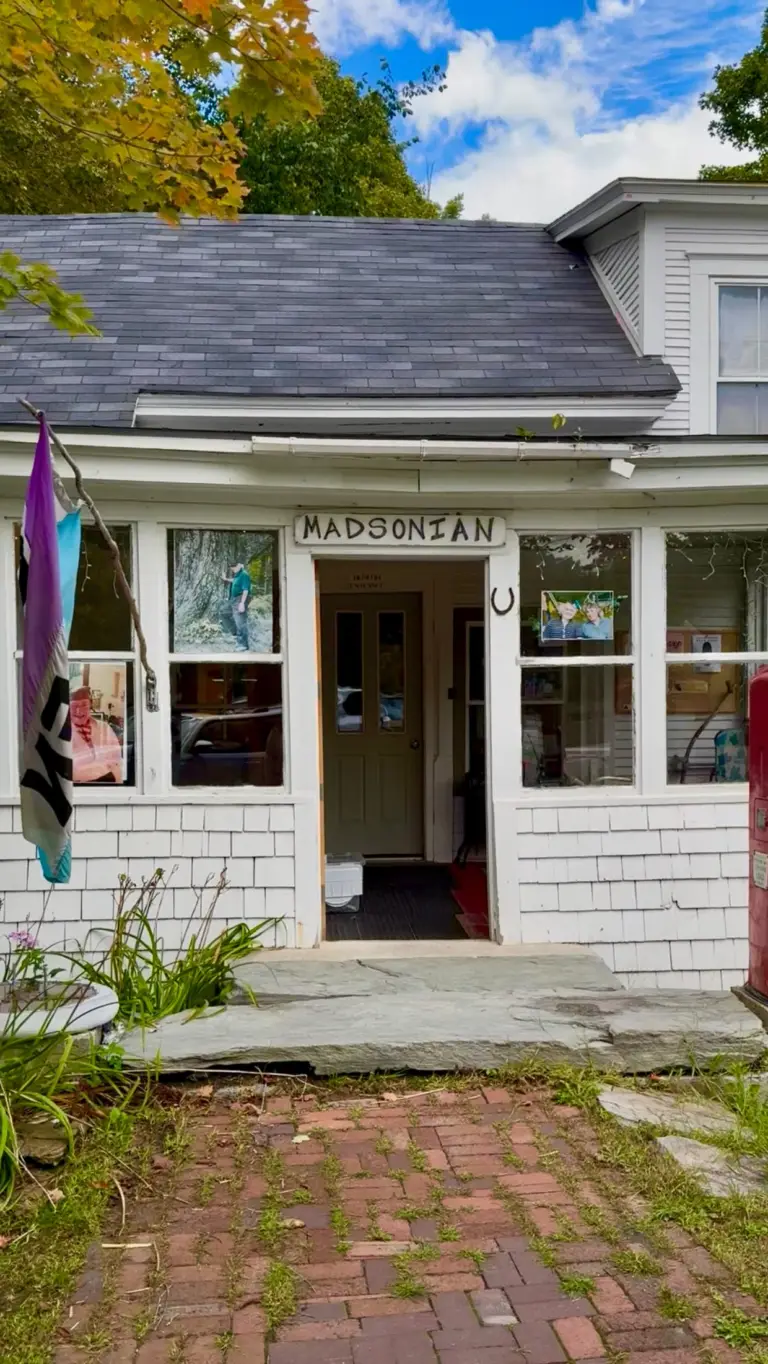
Right beside the entrance to the Great Eddy Covered Bridge in downtown Waitsfield is a small museum you could easily walk past without realizing what’s waiting inside.
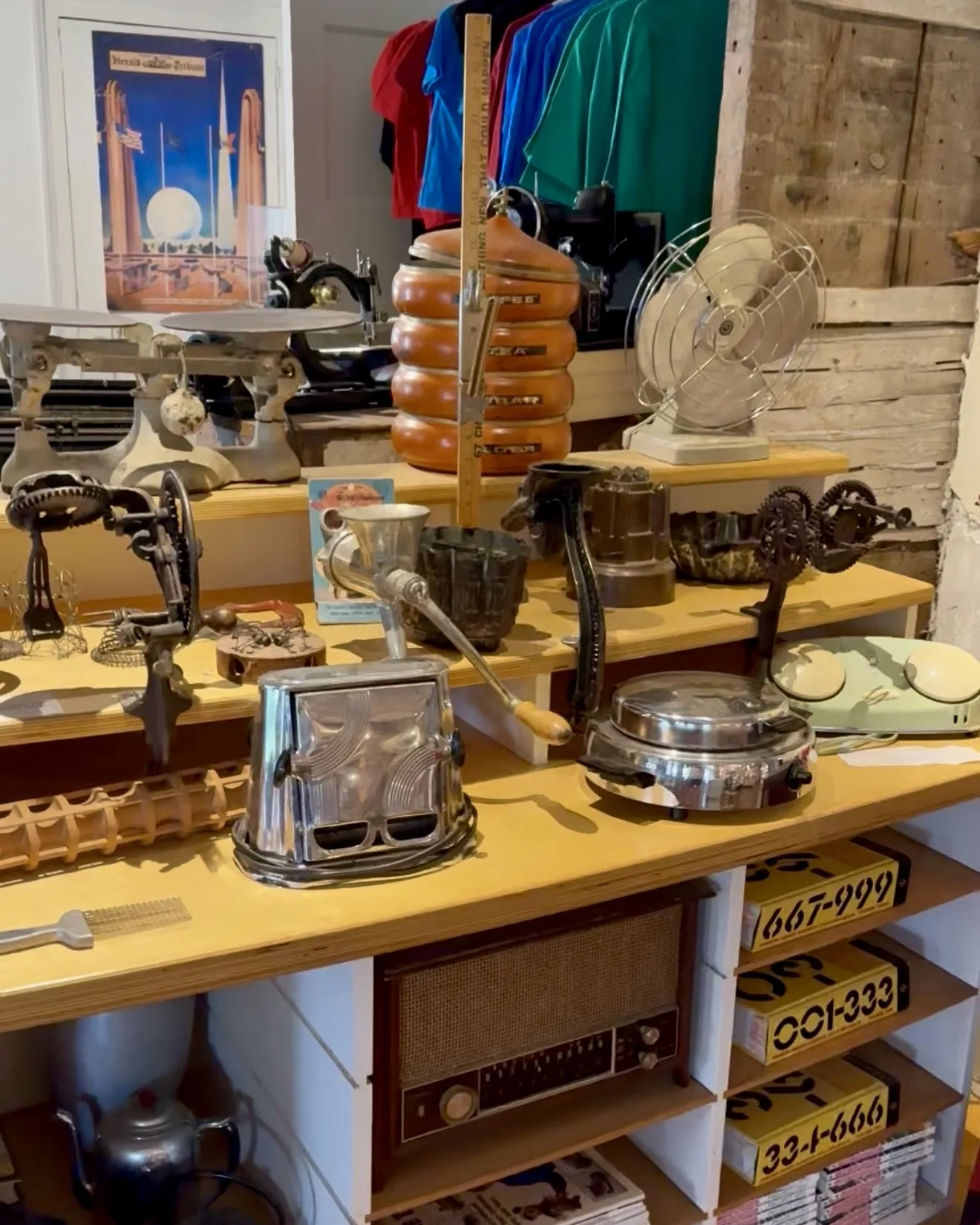
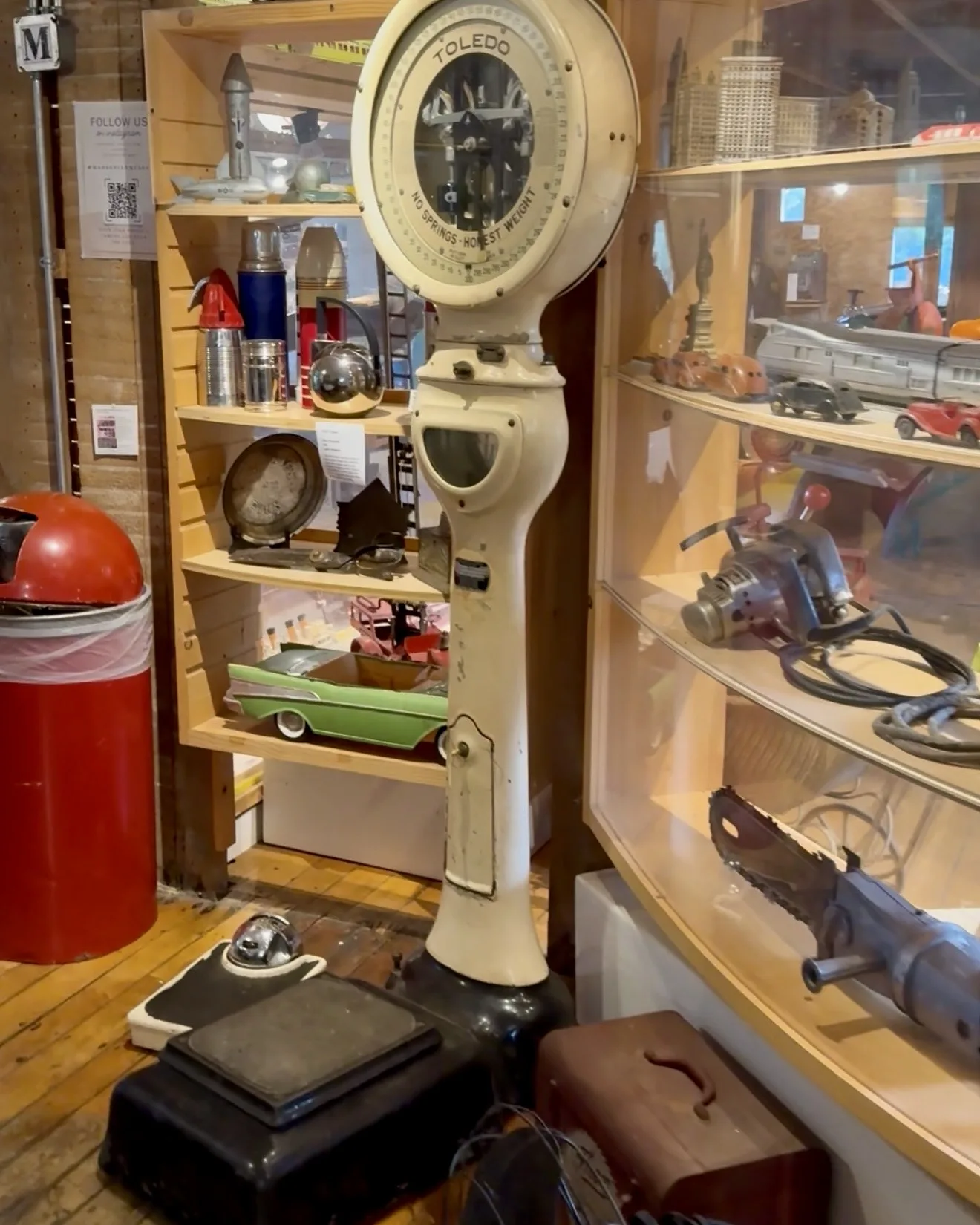
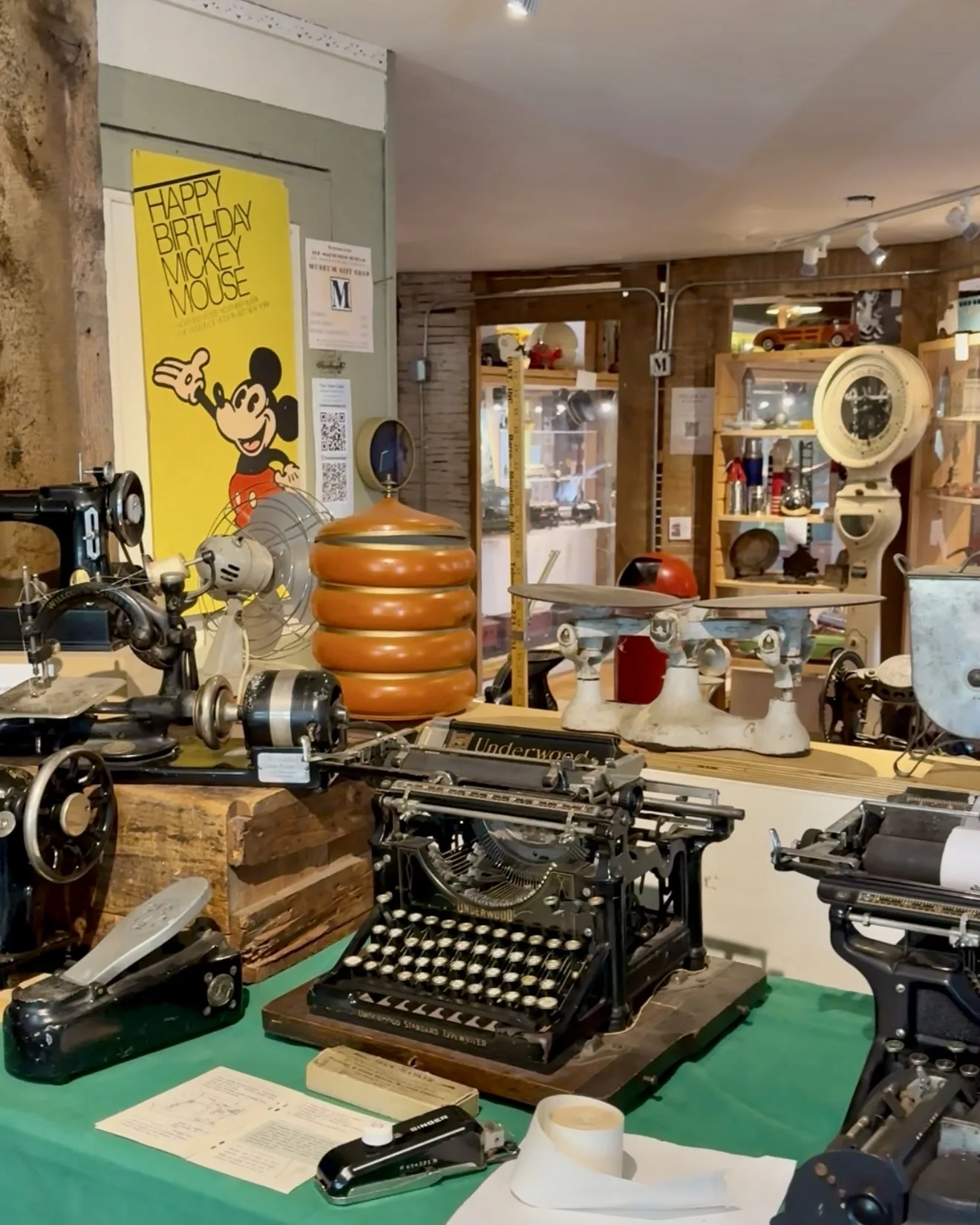
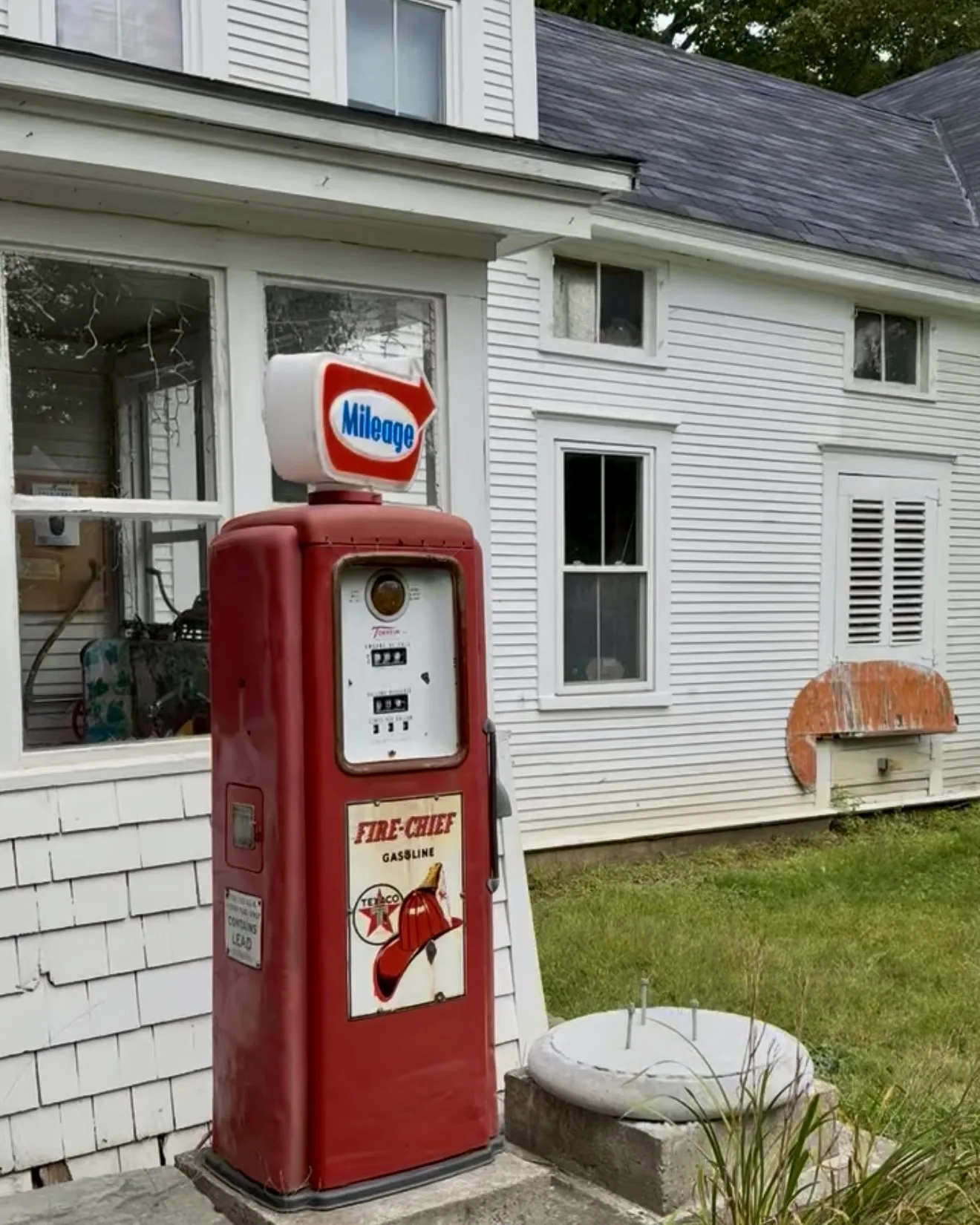
The Madsonian Museum of Industrial Design is filled with more than 2,000 objects, from vintage toasters and typewriters to antique toys, motorcycles, classic cars, chairs, sporting equipment and household tools.
At first glance, it can feel a little like stepping into an exceptionally well-curated collection of cool old things. Spend some time looking around, though, and you start to see the connection: nearly everything here represents an example of thoughtful industrial design, where function, engineering and beauty come together in something made to be used.
It’s one of the more unexpected museums I’ve visited in Vermont, and an easy addition to a day exploring Waitsfield and the Mad River Valley.
What Is the Madsonian Museum of Industrial Design?
The Madsonian was founded by Vermont architect and designer David “Dave” Sellers, who spent decades collecting objects he believed represented exceptional design. The museum opened in Waitsfield in 2011 and today its collection includes more than 2,000 manufactured objects dating from the early 1900s through the present.
Sellers wasn’t simply interested in things because they were old, rare or valuable. The collection grew from his fascination with objects that were exceptionally well conceived and made, whether that meant a chair by a famous designer or a pencil sharpener that simply accomplished its job particularly well. His larger idea was that the everyday objects around us deserve our attention, and that good design can make the things we use both more functional and more beautiful.
That philosophy makes the Madsonian feel very different from a traditional art or history museum. You’re not walking from painting to painting or reading your way chronologically through Vermont history. Instead, you might find yourself studying the shape of an old toaster, the mechanics of a typewriter, the curves of a car or the construction of a chair and suddenly thinking about an object you’ve probably never given much thought to before.
More Than 2,000 Examples of Everyday Design
Part of the fun here is the sheer variety of the collection. The museum includes cars, motorcycles and bicycles alongside toys, canoes, golf equipment, radios, toasters, typewriters, hand tools, chairs, model trains, planes and boats.
Some objects are associated with designers and architects whose names you’ll immediately recognize, including Frank Lloyd Wright, Frank Gehry, Eero Saarinen, Ludwig Mies van der Rohe and Marcel Breuer. Others are ordinary objects whose designers you may never have heard of, but that become interesting once you stop to consider why they look and work the way they do.
That contrast is one of my favorite things about the Madsonian. A classic car can be treated as seriously as a beautifully engineered household appliance because both required someone to think about materials, proportion, usability, manufacturing and appearance. “Good design” here isn’t limited to something expensive enough to sit behind glass.
Why Industrial Design Is More Interesting Than It Sounds
“Industrial design” may not immediately sound like the premise for a museum you need to seek out on your Vermont travels, but the Madsonian makes a pretty compelling case for why it matters.
Almost everything we touch throughout the day has been designed by someone. The handle of a tool has to fit into your hand. Next, a chair has to support your body. Then, a typewriter has to translate the movement of your fingers into words on a page. A car has to perform an incredibly complicated mechanical job while still being comfortable, intuitive and, ideally, beautiful.
Those decisions tell a much bigger story about technology, manufacturing, culture and what people valued during a particular era. They also raise an interesting question about the things we buy today: if something is thoughtfully designed, functional and beautiful enough that we want to keep using it, are we less likely to treat it as disposable?
That idea is central to the museum’s philosophy. The Madsonian connects an appreciation for good design with a move away from throwaway culture, encouraging visitors to value objects that are useful, thoughtfully made and worth keeping.
Dave Sellers and the Madsonian
The museum also offers an introduction to one of the Mad River Valley’s most interesting architectural figures. Sellers studied at the Yale School of Architecture and went on to spend more than 50 years working as an architect in Vermont’s Mad River Valley. His work became closely associated with the design-build movement, an approach that brought the process of designing and physically making a building much closer together.
The Madsonian grew out of Sellers’ own decades-long collection. As he accumulated toys, tools, appliances, vehicles, chairs and other objects, the museum eventually became a place where those pieces could be shared rather than simply privately collected.
Sellers died in 2025 at age 86, but the museum continues the design philosophy that inspired the collection.
You Can Even Stay in a David Sellers-Designed House
The Madsonian experience doesn’t necessarily end when you leave the museum.
Nearby in Warren is the Madsonian House, an experimental home designed by Sellers. The house is available as a short-term rental, and proceeds from stays go directly toward supporting the nonprofit museum, its collection and its programs.
For architecture and design lovers, it creates a pretty unusual Vermont experience: spend the afternoon looking at Sellers’ philosophy of design through the objects he collected, then actually stay inside a house he designed.
Pair Your Visit With the Great Eddy Covered Bridge
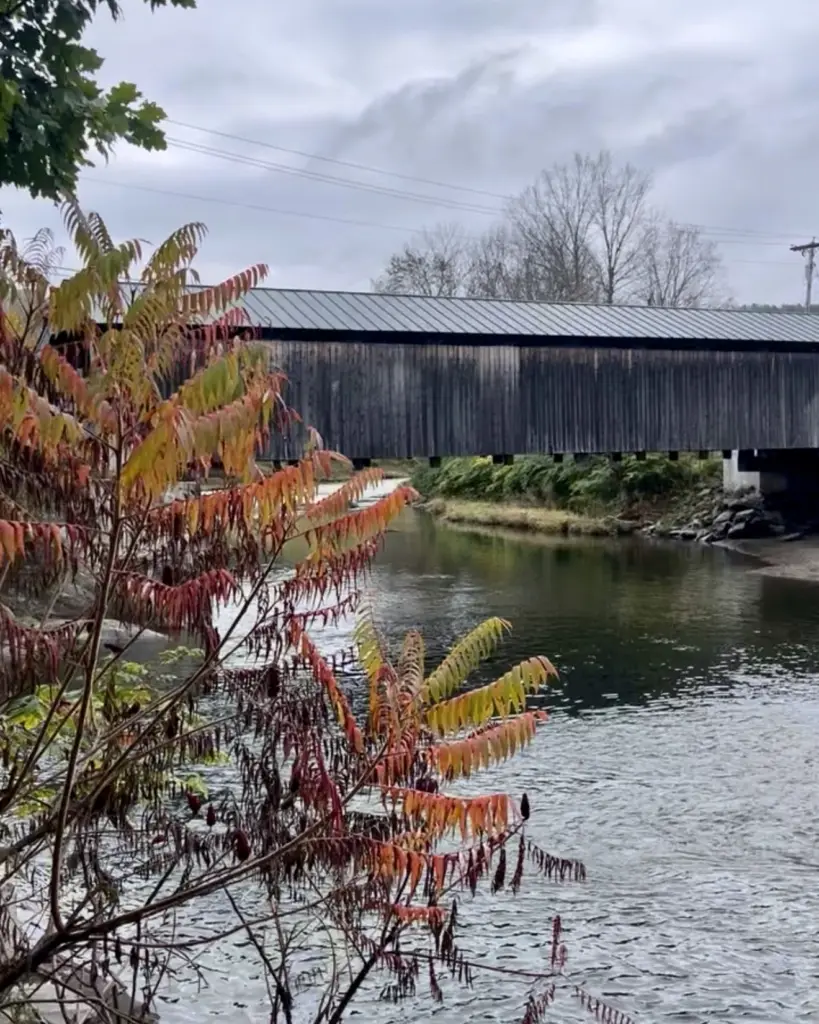
The location also makes the Madsonian particularly easy to add to a Waitsfield itinerary. The museum is at 45 Bridge Street, just steps from the Great Eddy Covered Bridge, also known as the Big Eddy or Village Bridge.
Built in 1833, the bridge crosses the Mad River in the center of Waitsfield and is one of Vermont’s oldest covered bridges. It stretches about 105 feet across the river and remains an iconic part of Waitsfield Village.
That means you can easily combine two very different kinds of Vermont design history in one stop: walk through a nearly two-century-old covered bridge that is still part of everyday life in Waitsfield, then step into a museum devoted to the idea that the best-designed objects can remain useful for generations.
From there, continue exploring Waitsfield Village or make the Madsonian one stop on a larger day through the Mad River Valley.
Planning Your Visit to the Madsonian
The Madsonian Museum of Industrial Design is located at 45 Bridge Street in Waitsfield, Vermont. As of October 2026, the museum lists regular hours of Friday, Saturday and Sunday from noon to 4 p.m., with visits also available by appointment.
The museum’s local Mad River Valley listing currently lists admission at $5 for visitors ages 12 and older and 25 cents for children under 12. Because hours and admission can change, I’d confirm directly with the museum before making a special trip.
Check current hours and visitor information at the Madsonian
I’d especially recommend this stop if you’re interested in architecture, vintage cars, furniture, engineering or simply the stories behind everyday objects. It’s also a good rainy-day option in the Mad River Valley and small enough that you can easily work it into a larger day of exploring Waitsfield.
More than anything, though, the Madsonian makes you look at ordinary things differently. The curve of a chair, the weight of a tool, the mechanics of an old typewriter or the shape of a car are all the result of decisions someone made. When those decisions are particularly good, the resulting objects can stick around for decades.
And in a state where we tend to appreciate things that are well made, useful and built to last, this quirky little museum feels right at home in Vermont.







Talk with locals
Comments
Be the first to chime in
Been here? Your tip could save the next visitor a wrong turn.