

I could spend a completely unreasonable amount of time looking around the General Store and Apothecary Shop at Shelburne Museum. Every shelf gives me something else to examine, and just when I think I’ve taken it all in, there’s another room. The shaving room alone had me lingering. Apparently, a historic barbershop is all it takes to derail my plans for seeing the rest of a museum.
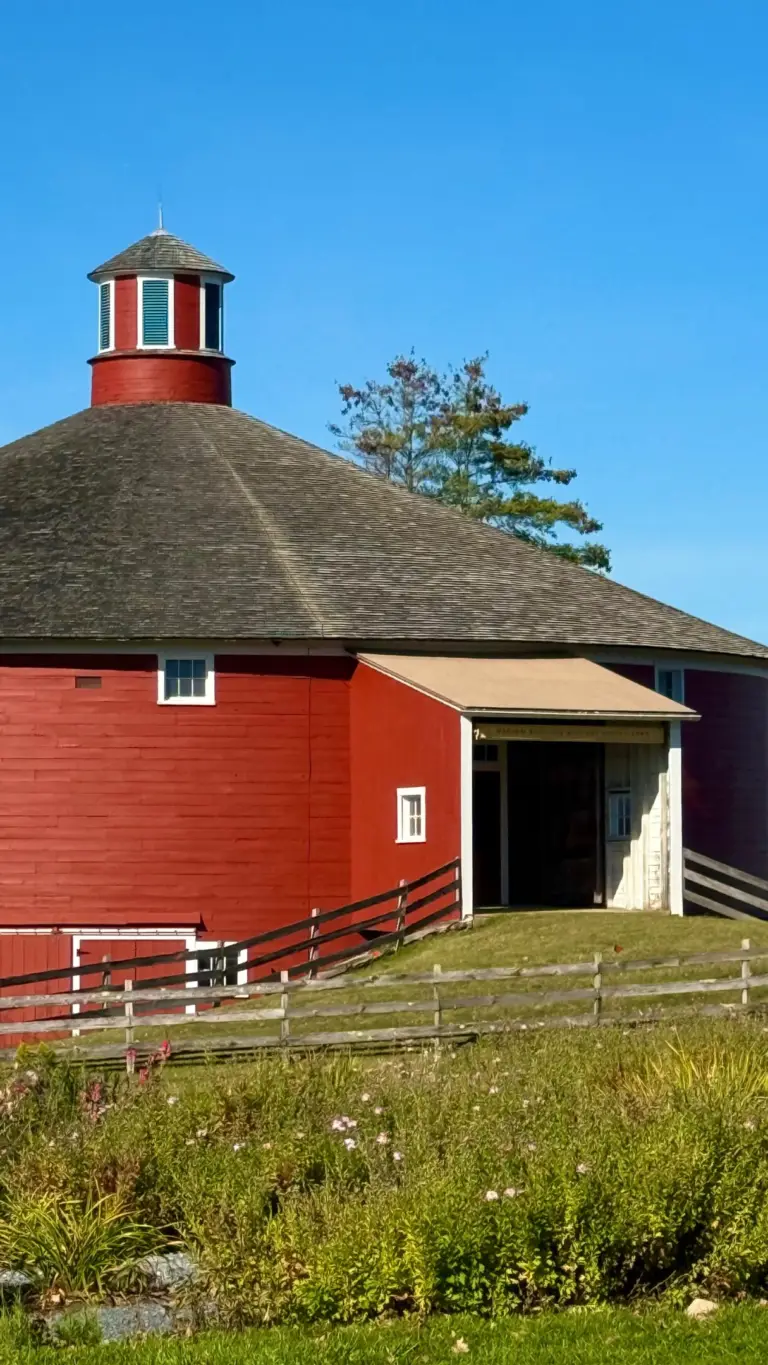
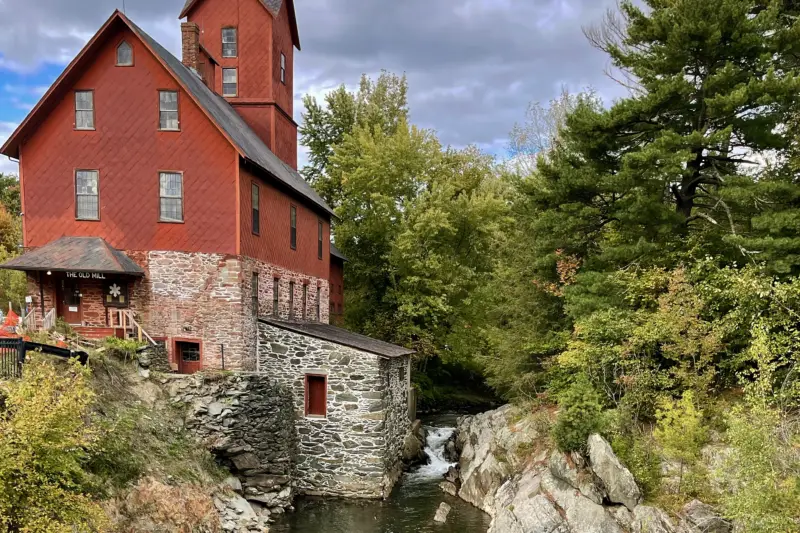
And there is a lot of museum left to see. Shelburne Museum spreads across a 45-acre campus, with historic buildings you can step inside and collections that range from horse-drawn carriages to American paintings. There’s a steamboat on dry land, a vintage carousel and enough to fill far more than a quick afternoon.
My advice is to give yourself time to wander. Pick a few places you don’t want to miss, but leave room to get distracted. For me, that’s a large part of the fun here.


My Favorite Stop: The General Store and Apothecary
If I had to choose one building to return to first, it would be the General Store, with the Apothecary Shop beside it. I love seeing the everyday details of another time, particularly the things people used without giving them much thought.
The shelves and cabinets are filled with late-1800s goods, and the adjoining spaces include a post office and tap room. Then there’s the barbershop, or what I keep thinking of as the shaving room. It’s such a small part of the campus, but those glimpses of ordinary routines are what hold my attention.
The building began as Shelburne’s post office in 1840 and was moved intact to the museum in 1952. The adjacent Apothecary Shop was built on-site in 1959 to recreate a nineteenth-century druggist’s shop. Inside are tools for preparing medicines, including a pill press, with a separate compounding room.
There’s so much to notice that I’d suggest doing a second look before leaving. Read a few labels, look into the smaller spaces, and give yourself permission to be interested in something as ordinary as an old container. These are the details that make the past feel like people’s actual lives.


Don’t Skip the Carriages
The carriage collection is another favorite of mine. Seeing the different vehicles together makes you think about how much of daily life once depended on horses, from getting around town to transporting goods.
Shelburne Museum’s collection includes nearly 200 horse-drawn vehicles, with sleighs and stagecoaches among them. Some are practical, while others are elaborate enough that you can imagine the arrival being part of the occasion. The collection includes luxury carriages from the Webb family, whose gift helped inspire Electra Havemeyer Webb to create the museum.
Look for the Horseshoe Barn when planning your route. It was built to house the carriages in the museum’s early days, and the vehicles remain an important part of the campus.
I find this collection easy to get absorbed in, even if carriages aren’t something you arrived particularly interested in. Once you start comparing them, you notice how differently people traveled depending on the season, their work and how much money they had.

Leave Time for the Art Galleries
The Pizzagalli Center for Art and Education brings a more contemporary building into the mix, with two spacious galleries for changing exhibitions. It’s a good reminder to check the exhibition calendar before visiting, because the historic buildings are only part of what’s here.
On my recent visit, I caught the end of Norman Rockwell: At Home in Vermont, which was such a treat. The exhibition explored his years in Arlington and the Vermont imagery that became part of his work. It closed on October 25, 2026, so check what’s coming next rather than planning around that particular show.
I like having that change of pace during the day. You can spend the morning looking at everyday objects in a general store, then find yourself in a gallery with an entirely different reason to stop and look closely.
The Carousel and the Steamboat
The vintage carousel is an easy stop to work into your visit, particularly with kids. There’s something very fitting about taking a ride after spending the day looking at objects from earlier generations.
One detail to check before visiting: the Circus Building is closed for a preservation project and is scheduled to reopen in 2028. The museum says the 1920s carousel is expected to continue operating during the project, with rides dependent on the season and weather.
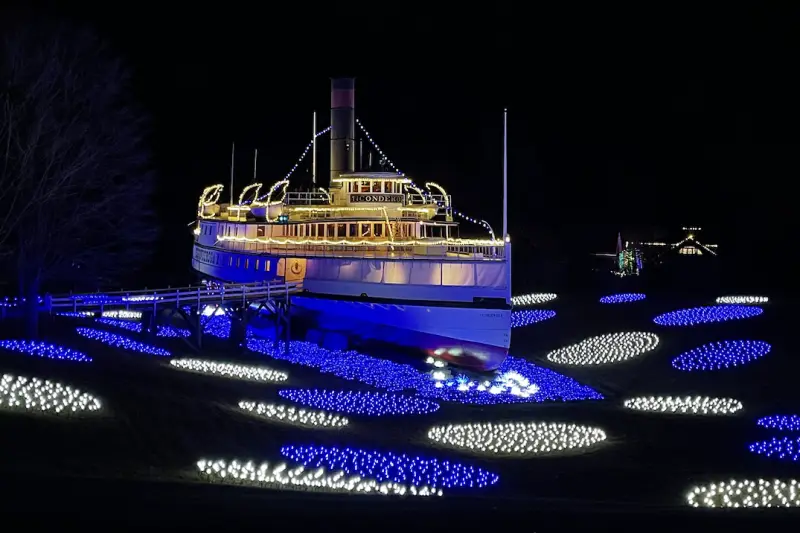
Then there’s the Ticonderoga. Even if you’ve seen photos, finding a 220-foot steamboat sitting on the museum grounds is quite a sight. Put it on your list, but leave time for the less conspicuous buildings, too. My favorite stop here is still a store filled with things people once needed to get through an ordinary day.


Come Back for Winter Lights
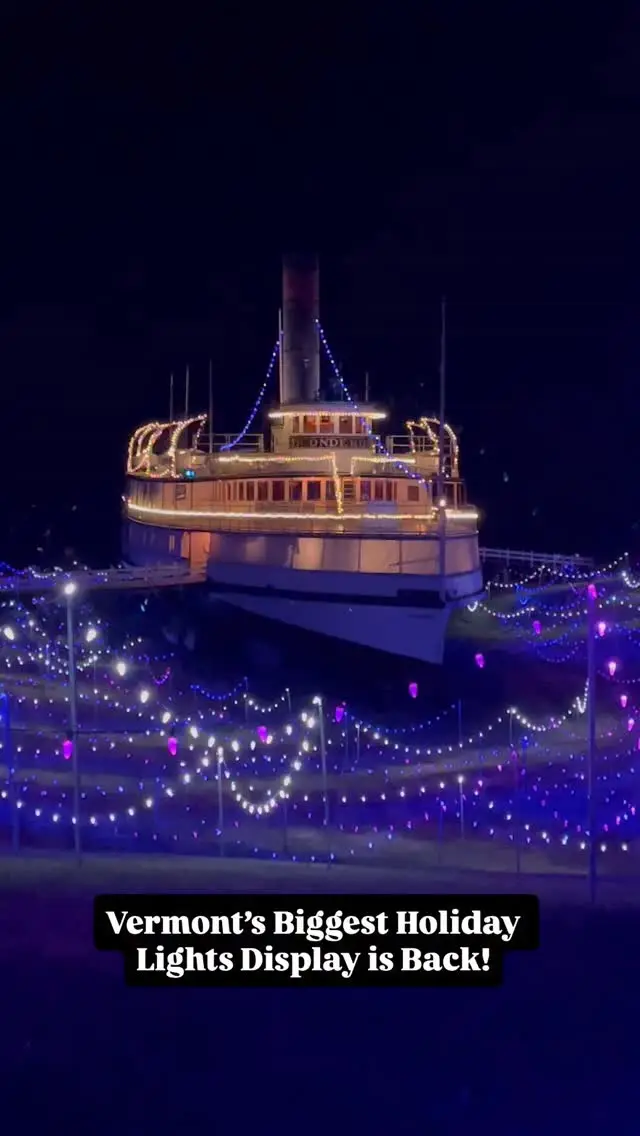
Shelburne Museum also gives you a reason to return after the regular season ends. Winter Lights transforms parts of the grounds with illuminated displays, including the Ticonderoga and the surrounding landscape.
For the 2026-27 season, walk-through evenings run on selected dates from November 27 through January 3. There are also designated drive-around nights, including an additional run January 4-9. The two experiences require different tickets, so choose carefully when booking.
I’d think of Winter Lights as its own outing. Bundle up, wear shoes with good traction and give yourself time to enjoy the grounds after dark. It’s a different way to experience a place you might already know from a summer or fall visit.

What to Know Before You Go
- Location: 6000 Shelburne Road, Shelburne, Vermont, just south of Burlington.
- Regular season: The 2026 daytime season ran May 9–October 25, with hours of 10 a.m. to 5 p.m. Check the museum’s website for the next season’s dates.
- Vermont resident rate: Currently listed as $15 for adults and $8 for children ages 5-17. Purchase in person and bring valid Vermont ID. Children under 5 are free.
- Two-day admission: Regular museum tickets are good for two consecutive days. Keep your receipt and take advantage of that second day if you can. There is far too much here to rush through comfortably.
- Other ticket options: Published adult admission is $27.50 at the door or $25 online. A $65 family pass covers two adults and children ages 5–17 from one household.
- How long to allow: Give yourself at least half a day. Two shorter visits would be my choice over trying to see everything before closing.
- What to wear: Comfortable walking shoes and layers. You’ll spend time outdoors moving between buildings.
- Accessibility: Review the museum’s physical accessibility guide before choosing your route, since access varies among historic buildings.
- Winter Lights: Separately ticketed, with advance walk-through tickets currently $20 for adults and $10 for children ages 3–17; children under 3 are free. Check the calendar for walk-through, drive-around and sensory-friendly evenings.
- Contact: shelburnemuseum.org Local favorite: Shelburne Museum | 802-985-3346.





Talk with locals
Comments
Be the first to chime in
Been here? Your tip could save the next visitor a wrong turn.