


A husband and wife resting beneath a granite blanket. A race car carved from stone. An angel who looks like she’s been waiting long enough, thank you very much.
Hope Cemetery in Barre, Vermont, gives you plenty of reasons to stop and look more closely. I’ve visited historic cemeteries around the state, but this one holds my attention in a different way. I’ll think I’m ready to head back to the car, then spot another monument I want to see.
It’s a good October outing if you’re looking for something to do during spooky season, but you don’t need ghost stories to make a visit interesting. The people buried here, and the artists who created their memorials, have given you more than enough to think about.

Why Hope Cemetery Looks Like This
To understand Hope Cemetery, you need to know a little about Barre’s granite industry. The city attracted skilled stoneworkers from overseas, including many Italian immigrants, whose work helped build its reputation for granite carving.
Those skills are on display throughout the cemetery. Some artisans designed monuments for themselves before they died; others were remembered through the work of fellow carvers. These were people who spent their lives working with stone, and they knew how much it could express.
You see that in the smallest details. A blanket looks soft despite being carved from granite. A face has an expression you recognize. Clothing falls in folds that make you want to look again and figure out how someone managed it.
I love that the memorials give you glimpses of people beyond their names. You can see something they cared about, the work they did or the relationship someone wanted to remember.


Look for the Marriage Bed
The marriage bed is one of the monuments I always suggest finding. A husband and wife lie beside each other beneath a granite coverlet, captured in a scene that feels far more familiar than a traditional cemetery sculpture.
That’s what I find so moving about it. Sharing a bed is an ordinary part of a life together, and here it becomes the way that companionship is remembered.
There’s also the craftsmanship to consider. Turning granite into something that resembles bedding takes a level of skill I can admire for quite a while without fully understanding how it was done.
Give yourself a moment with this one. It’s easy to take a photo and move along, but the details deserve a closer look.
The Granite Race Car
The race car is another monument that makes you stop. Created in memory of driver Joey Laquerre Jr., it brings something deeply personal into a setting where you might expect more conventional designs.
I like how directly it tells you something about the person being remembered. You don’t need a long inscription to understand that racing mattered to him.
It also makes you reconsider what a memorial can look like. At Hope Cemetery, the carvers had the ability to take an idea that meant something to a family and turn it into a lasting piece of stone. Walking around, you start noticing how many different directions that could take.
My Favorite Angel Has Some Attitude
The carving often called the Bored Angel is one of my favorites. With her chin resting in her hand, she has an expression that feels wonderfully human.
I can’t tell you what she’s thinking, of course. But I enjoy a cemetery angel who looks like she might have an opinion about how long eternity is taking.
Spend some time looking at her face and posture. So much of what makes sculpture interesting is the small gesture that gives a figure personality, and she has plenty. The angel is associated with the Brusa family memorial, one of the cemetery’s well-known works.
Keep Looking Beyond the Famous Monuments
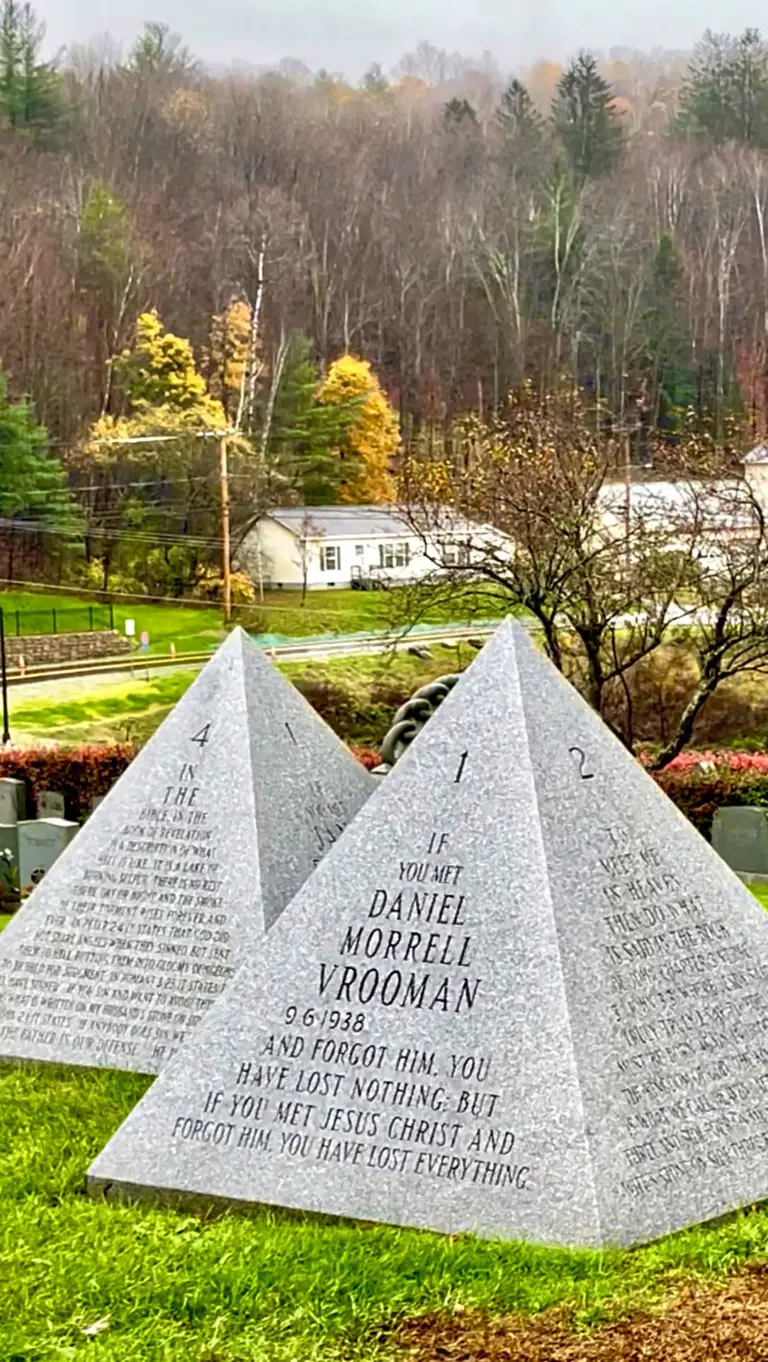
I also love the ball memorial and the pyramids, but I wouldn’t make your visit entirely about finding specific landmarks. Part of the pleasure is seeing what catches your attention along the way.
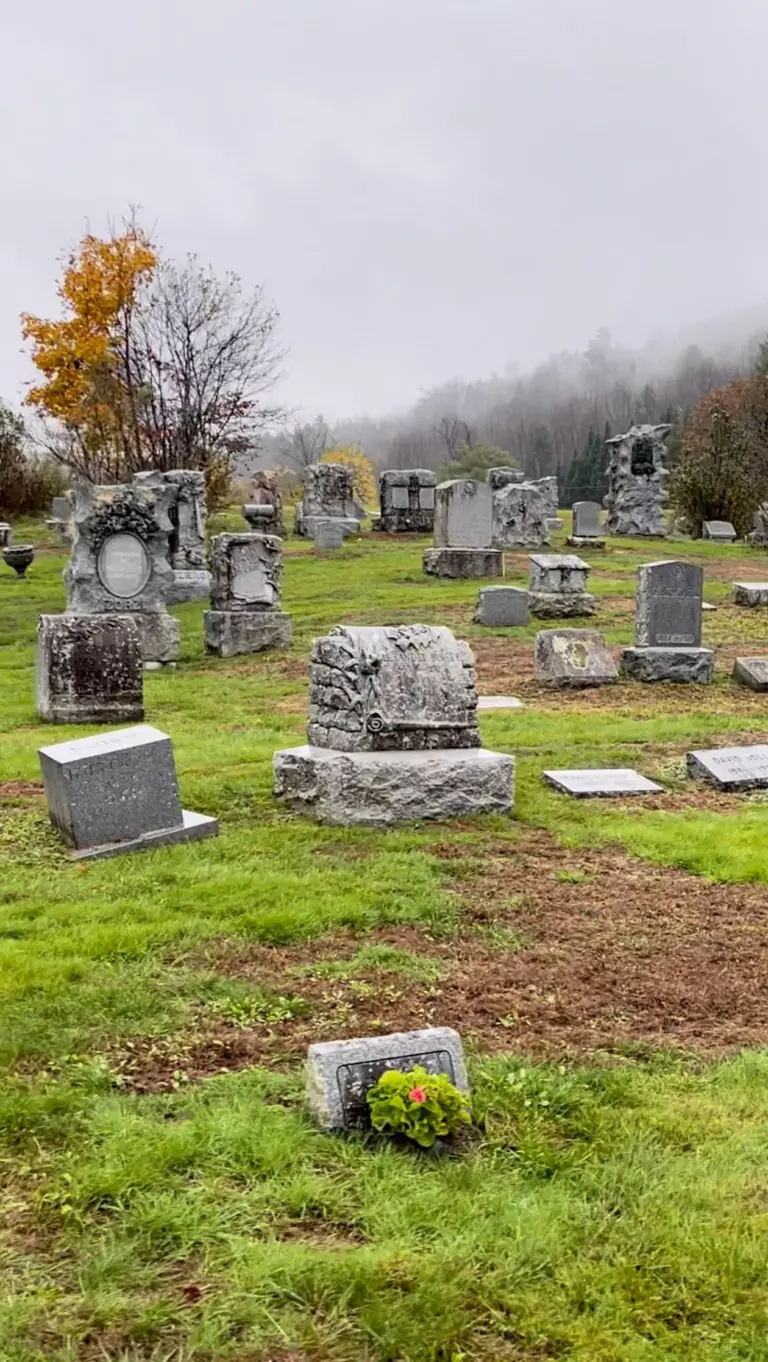
Look at the portraits and the carved objects. Notice the lettering. Pay attention to the smaller monuments between the elaborate ones, too. A memorial doesn’t have to be large to tell you something.
This is where I’d leave the schedule a little loose. You may stop for a few minutes at something another visitor walks past, and that’s part of what makes a visit personal.
I’m always interested in the everyday details: the things someone chose because they felt familiar, important or representative of a life. Here, those choices become part of the landscape.


A Place to Remember the 1918 Flu Pandemic
There’s a more somber piece of history to look for as well. Hope Cemetery contains graves of people who died during the 1918 influenza pandemic, including Barre stoneworkers whose stories are preserved by the Vermont Historical Society.
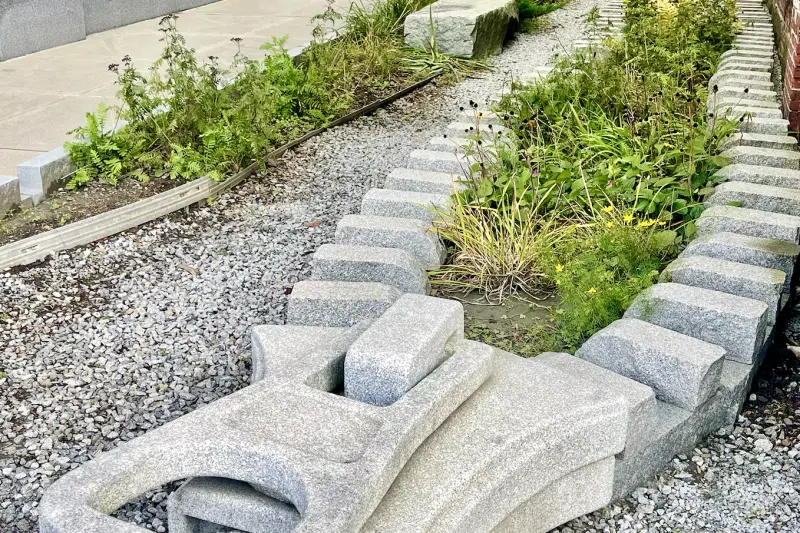
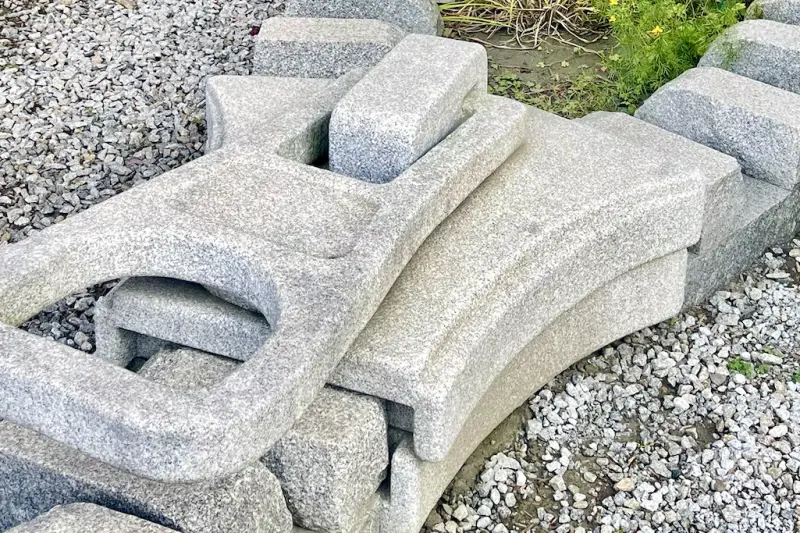
A granite memorial bench installed in 2018 commemorates those lost to the pandemic. Brian and Karen Zecchinelli, owners of the Wayside Restaurant, supported its creation; Brian’s grandfather was among the people who died in 1918.
Standing among the graves brings that history closer. Dates that might pass quickly in a book become individual lives, with families left behind.
I’d make time for this part of the cemetery alongside the more recognizable sculptures. It adds another layer to understanding Barre and the people whose work shaped the city.

Visiting Hope Cemetery in the Fall
October is a lovely time to walk the grounds, with changing leaves around the granite monuments and cooler weather for exploring.
I understand the appeal of including a cemetery during spooky season. But what keeps me interested here is the artistry and the chance to learn something about the people who lived in Barre.
You can visit outside of fall, too. Vermont’s tourism department lists Hope Cemetery as a year-round destination and welcomes visitors to explore by car or on foot.
Come with a few monuments in mind, then leave yourself time to find others. I can almost guarantee that the one you talk about afterward won’t be the only one you expected to remember.
What to Know Before You Go
- Location: 201 Maple Avenue, Barre, Vermont.
- Admission: Free to visit.
- Hours: Plan a daytime visit and follow posted gate hours. Check locally before arriving late in the day.
- How long to allow: I’d give yourself 45 minutes to an hour, longer if you enjoy sculpture or local history.
- Getting around: You can explore by car and on foot. Park clear of cemetery roads and leave access for other vehicles.
- What to look for: The marriage bed, granite race car and Bored Angel, along with the ball memorial, pyramids and 1918 flu memorial.
- What to wear: Comfortable shoes suitable for grass and uneven ground. Expect slippery conditions in winter.
- Accessibility: Driving through offers a way to see the grounds, but getting close to individual monuments may involve grass or uneven surfaces.
- Visiting respectfully: This is an active cemetery. Give mourners and services plenty of space, keep voices low and avoid climbing or leaning on monuments.
- Tours and information: Vermont’s tourism listing notes that guided tours are available. Call 802-476-6245 to ask about current arrangements.








Talk with locals
Comments
Be the first to chime in
Been here? Your tip could save the next visitor a wrong turn.