


The Case for Visiting Vermont During Stick Season
There’s a brief period in Vermont when the last of the fall foliage has disappeared, the ski mountains are waiting for snow and the steady stream of visitors traveling our scenic roads has finally slowed. The vibrant reds, oranges and yellows have given way to bare trees, muted landscapes and shorter days. It’s a time of year that doesn’t get nearly as much attention as summer, foliage season or winter, but one I’ve come to appreciate for entirely different reasons.
Welcome to Vermont’s stick season.
While Vermont welcomes visitors from around the world for its spectacular fall foliage and outdoor adventures, the weeks between autumn and winter are often overlooked. The trees are bare, the weather can be unpredictable and the landscape takes on a decidedly less colorful appearance. But there’s something wonderfully comforting about this transition, particularly if you appreciate a slower pace, cozy accommodations, good food and the opportunity to experience Vermont without the crowds.
And thanks in part to Vermont’s own Noah Kahan, stick season has become a little more recognizable beyond the Green Mountain State. His song Stick Season captures the feeling of this in-between time of year, although I’d argue there are plenty of reasons to appreciate it rather than simply endure it.
If you’ve never considered visiting Vermont in late October or November, here are seven reasons why stick season might be one of the most underrated times to plan a getaway.
What Is Stick Season in Vermont?
Vermonters like to joke that we have more than the traditional four seasons. Along with spring, summer, fall and winter, there’s mud season and, of course, stick season.
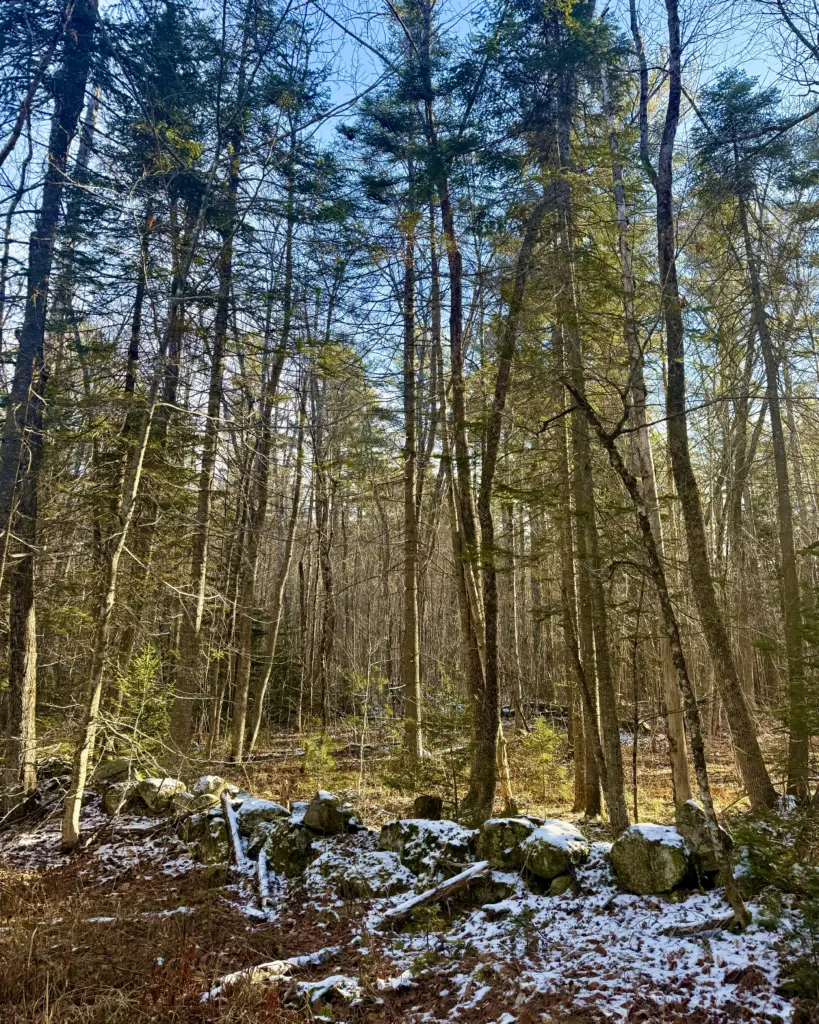
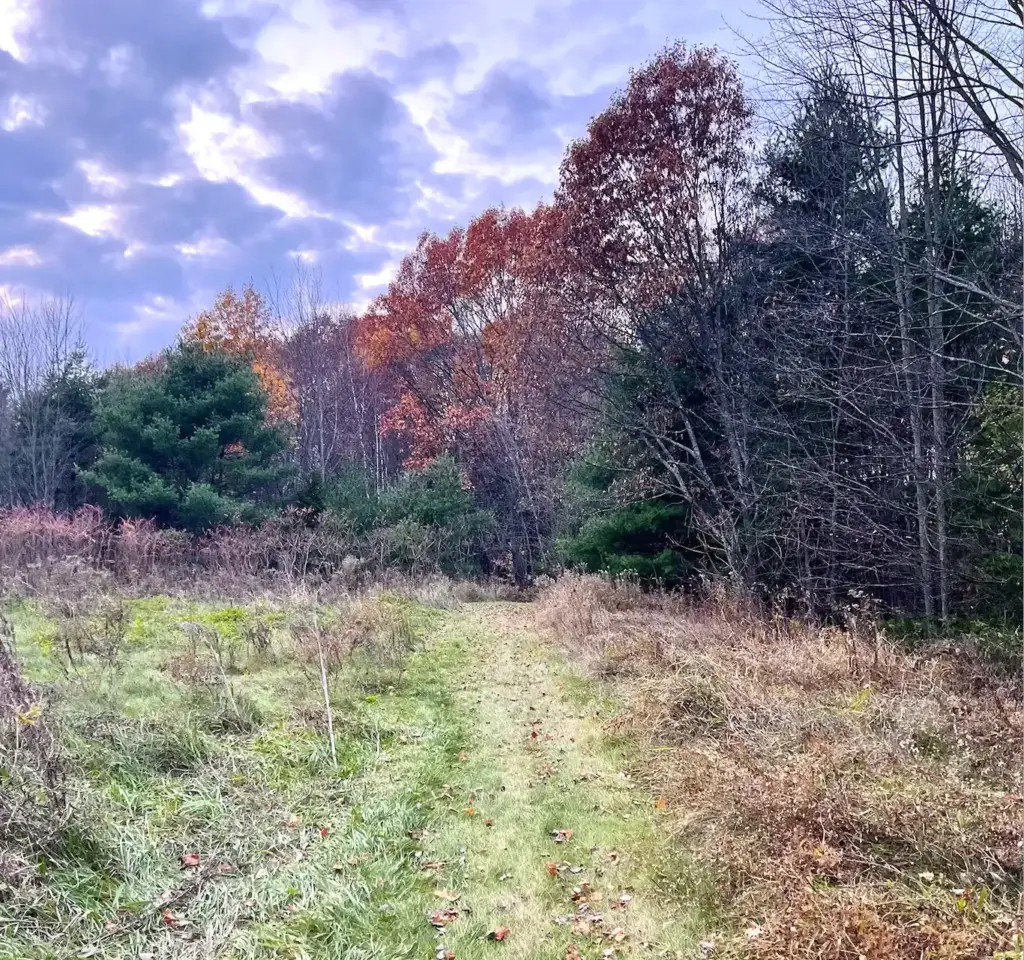
Stick season refers to the period after the leaves have fallen from the trees but before winter snow has settled across the landscape. It typically begins in late October or early November, depending on the weather and elevation, and can continue through much of November. Some years, winter arrives early. Other years, the bare branches and brown fields stick around well into December.
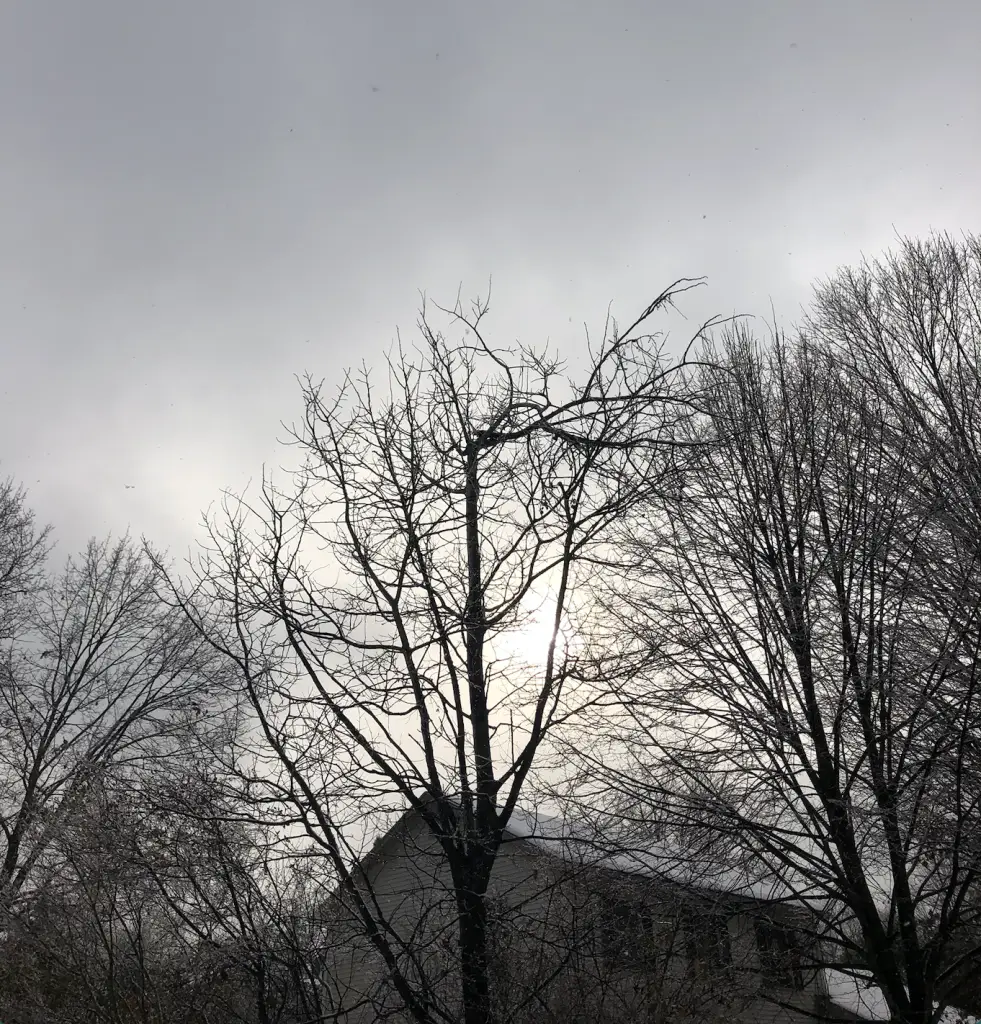
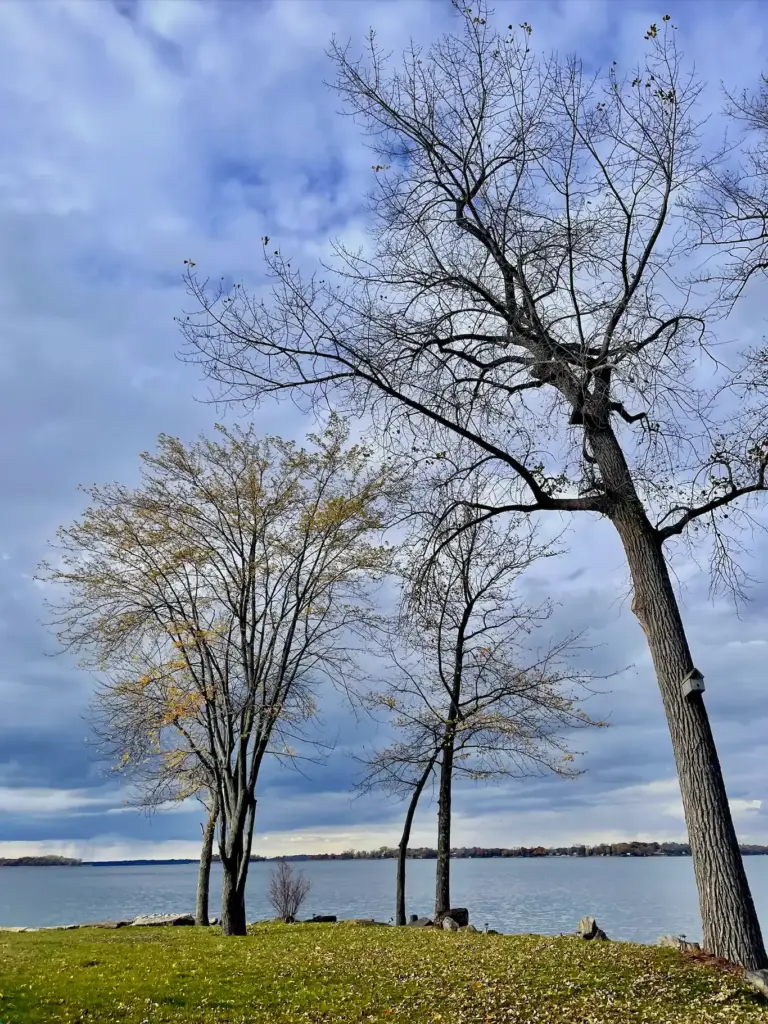
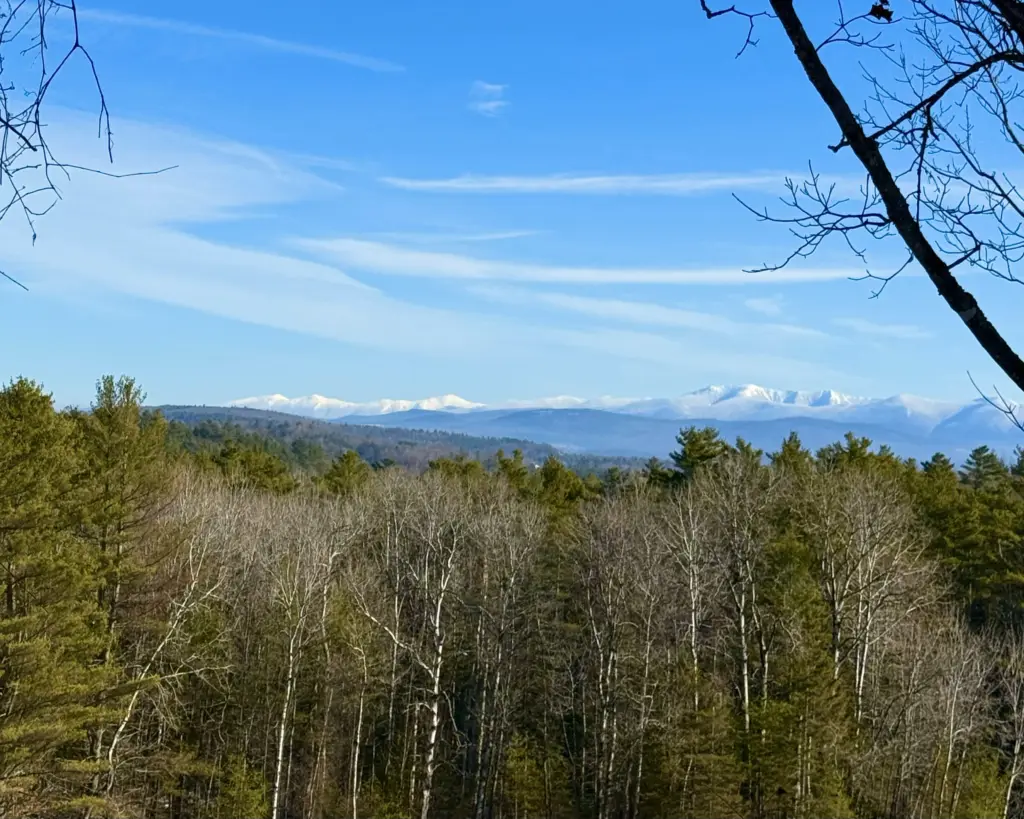
It’s a distinctive time in Vermont. The days grow noticeably shorter, temperatures drop and the vibrant foliage that attracts so many visitors gives way to exposed tree branches, open views through the woods and a palette of grays, browns and muted greens. Rainy afternoons, low clouds and damp mornings are common, although there are also beautiful bluebird days when the sunshine makes the landscape feel particularly crisp.
There’s also a noticeable change in the pace of life. After months of summer travel and the excitement of fall foliage, many communities settle into a quieter routine before the winter holidays and ski season begin.
For those of us who live here, that slowdown can be a welcome change. And for visitors willing to appreciate Vermont without the colorful leaves or snow-covered mountains, it’s an opportunity to experience the state from a different perspective.
7 Reasons to Visit Vermont During Stick Season
1. Enjoy More Affordable Vermont Accommodations
One of the biggest advantages of visiting Vermont during stick season is the potential to save money on accommodations.
Fall foliage is one of Vermont’s busiest and most expensive travel periods, particularly in popular destinations like Stowe, Woodstock and Manchester. Once the leaves have fallen and the crowds have departed, demand for hotel rooms, inns and vacation rentals generally decreases, creating opportunities to find more affordable rates.
This can be an especially appealing time to book a property that might otherwise stretch your travel budget during peak foliage or ski season. Whether you’re interested in a boutique inn, a cozy bed-and-breakfast or a mountain resort, you may find better availability and more flexibility with your dates.
I also love that stick season makes spontaneous getaways more realistic. Instead of booking accommodations months in advance, you can often plan a trip much closer to your intended travel dates.
My Local Tip: Some Vermont hotels, inns and restaurants temporarily close during stick season for maintenance, renovations or a well-deserved break after the busy fall season. Always confirm that a property is operating before making plans, and compare rates rather than assuming every accommodation will be discounted.

2. Spend Less Time Planning and More Time Enjoying Vermont
If you’ve ever planned a Vermont trip during peak foliage season, you know that a little preparation goes a long way. Popular restaurants can book up, accommodations sell out and scenic roads become crowded with visitors hoping to catch the leaves at their most colorful.
Stick season offers a refreshing alternative.
With fewer visitors traveling around the state, it’s generally easier to be spontaneous. You can decide where you want to eat that afternoon, change your plans based on the weather or take an unexpected detour without worrying quite as much about reservations, traffic or packed parking lots.
Personally, I think some of the best Vermont experiences happen when you leave a little room in your schedule for the unexpected. Maybe you stumble across a general store you’ve never visited, find a café worth lingering in or decide to take a backroad simply because the scenery looks interesting.
During stick season, there’s less pressure to fit everything into a perfectly planned itinerary. You can explore at your own pace, and that freedom is part of what makes an off-season visit so enjoyable.
3. Appreciate a Different Kind of Vermont Beauty
I’ll be the first to admit that Vermont’s fall foliage is spectacular. But I also think there’s something beautiful about the landscape once the leaves have fallen.
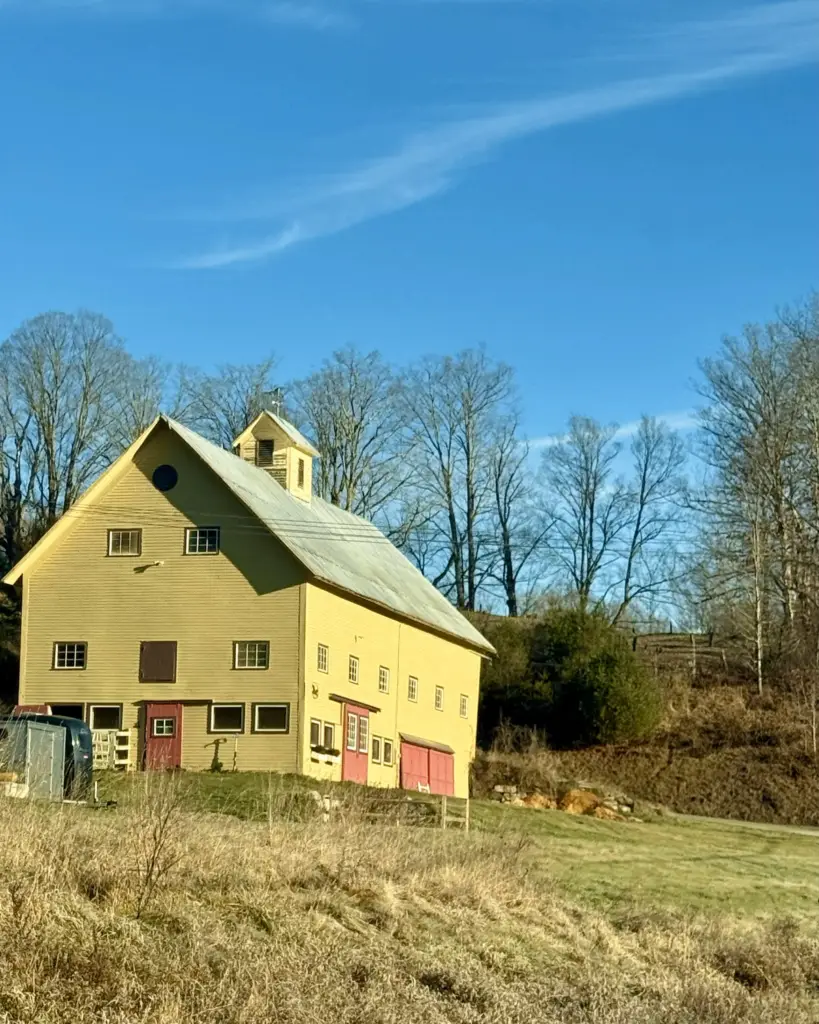
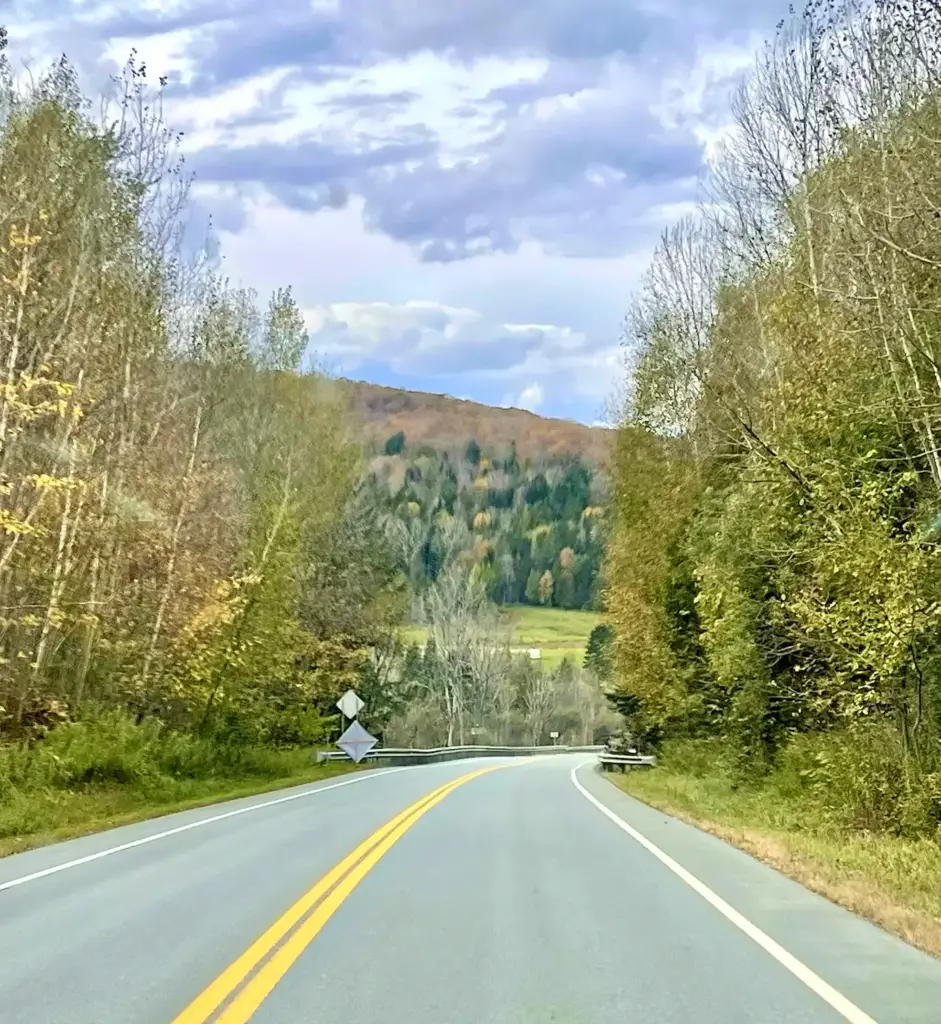
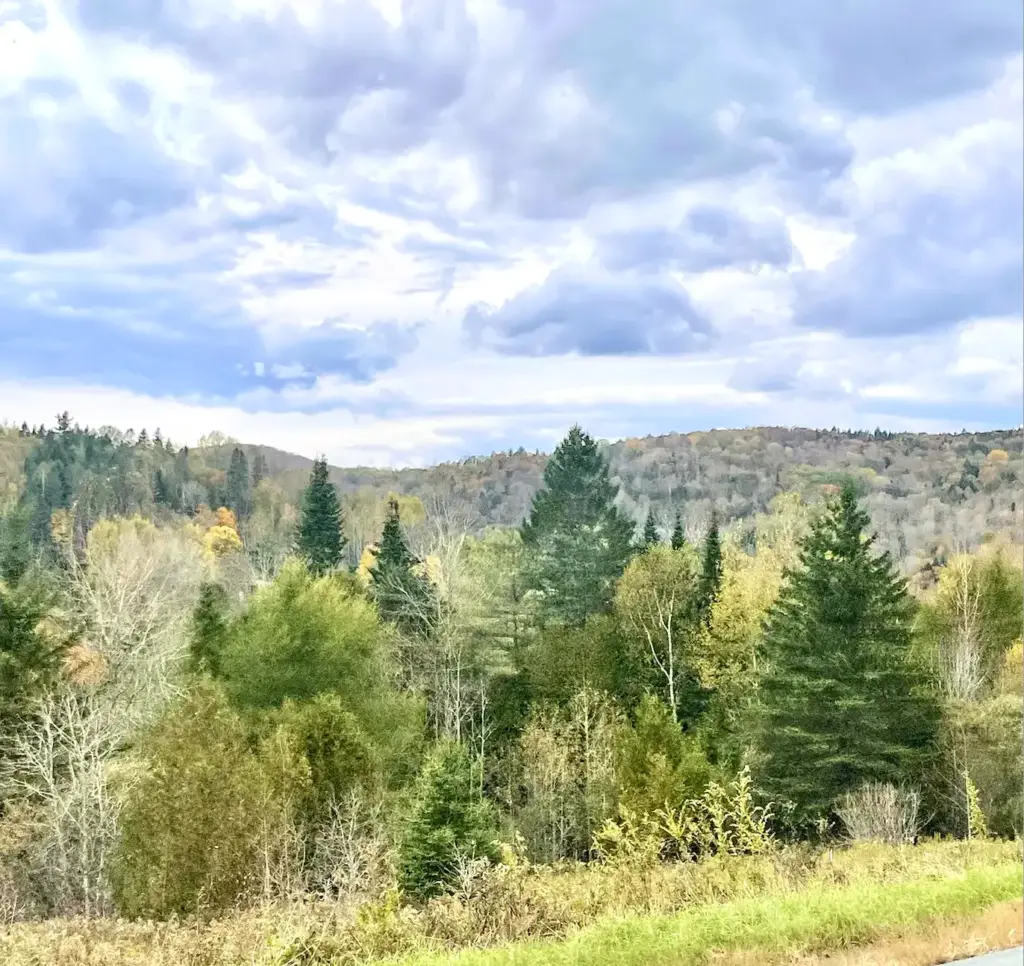
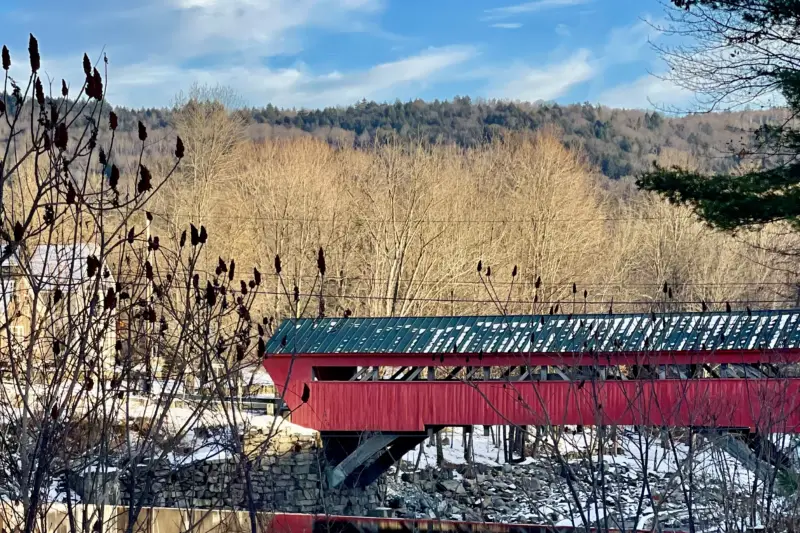
During stick season, the mountains take on softer shades of brown, gray and evergreen. Bare branches reveal views that were hidden behind dense summer foliage, while stone walls, old barns and winding rivers become more prominent against the open landscape.
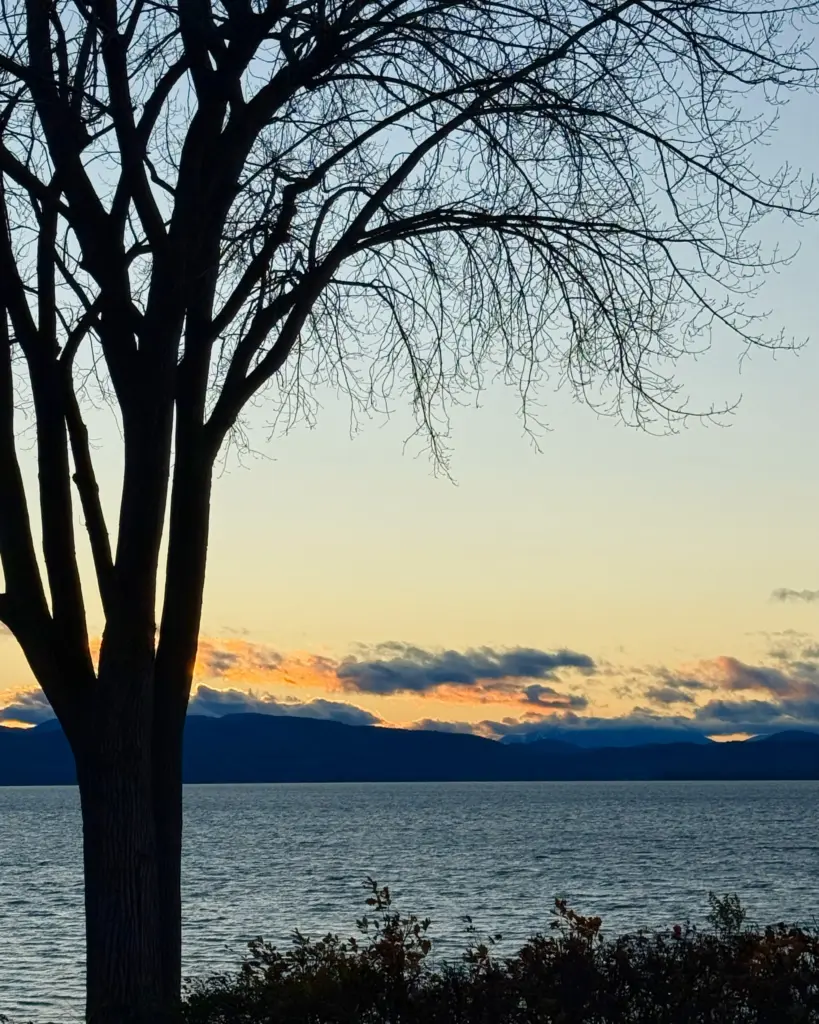
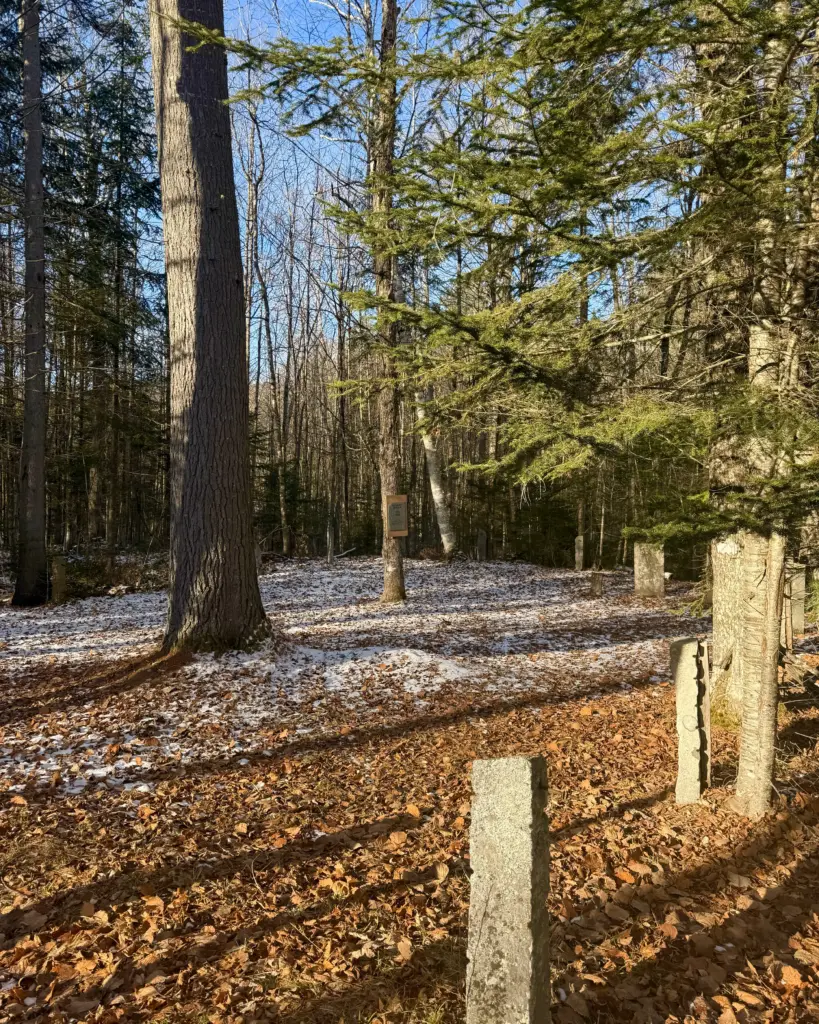
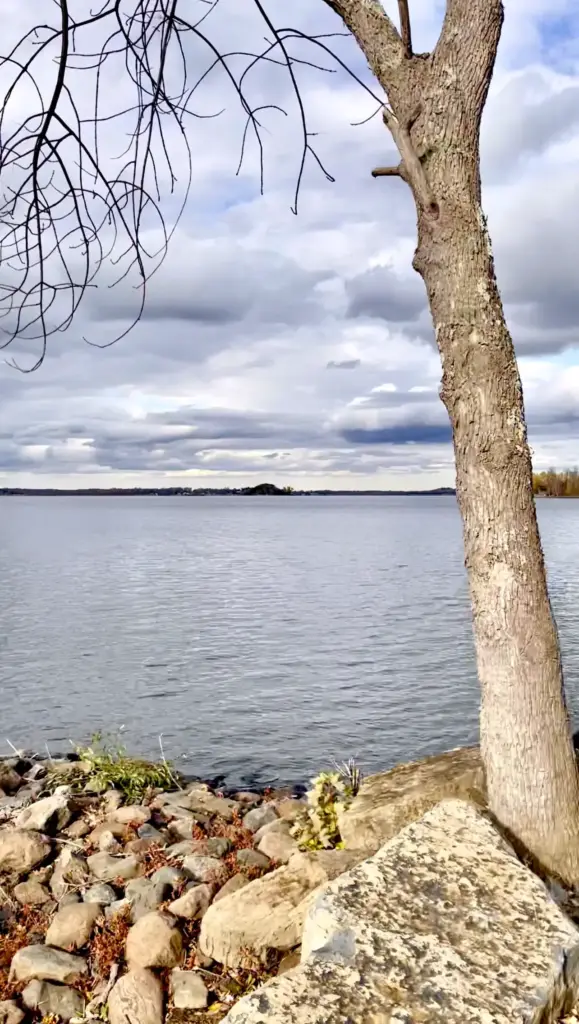
The weather adds another dimension. Low clouds settle into the valleys, mist rises from rivers and lakes, and the occasional dusting of early snow creates a beautiful contrast against the remaining autumn colors.
It’s a moodier version of Vermont, and one that I find particularly peaceful.
There are certainly gray, rainy days when the landscape looks a little bleak, but that’s part of the character of the season. Not every beautiful Vermont experience needs bright sunshine, peak foliage or fresh snow.
Sometimes a quiet backroad, a hillside covered in bare trees and a little fog drifting through the valley are more than enough reason to stop and appreciate the view.
4. Connect With Locals and Support Small Businesses
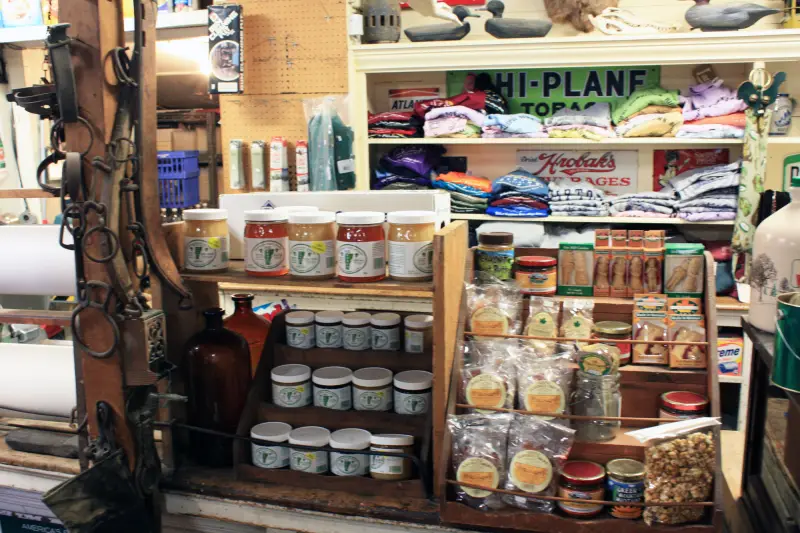
One of my favorite ways to get to know a Vermont community is by spending time in its locally owned businesses. Whether that’s sitting at a brewery bar, chatting with someone at a general store or asking a café owner what they recommend exploring nearby, those conversations often lead to some of my favorite discoveries.
During stick season, with fewer visitors passing through, there’s often more opportunity to slow down and connect with the people who live and work in these communities year-round.
Vermont’s small businesses are a huge part of what makes the state so interesting, and many continue welcoming customers long after the foliage crowds have left. You might spend an afternoon browsing an independent bookstore, enjoying lunch at a neighborhood restaurant or sampling locally brewed beer while learning a little more about the surrounding town.
Of course, some seasonal businesses close or operate with reduced hours during the off-season, so it’s always worth checking before you visit. But the businesses that remain open are often the same places locals frequent throughout the year.
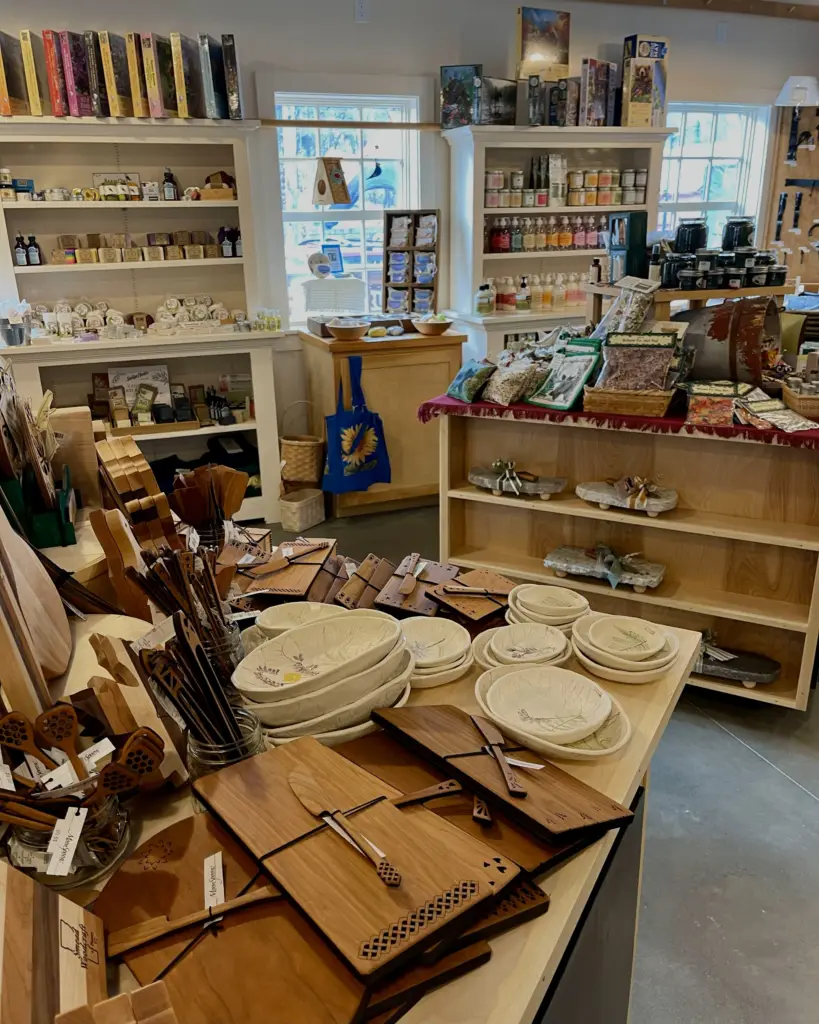
My Local Tip: When you’re visiting a new town, ask someone at a local business where they’d recommend going next. Some of my favorite Vermont stops have come from conversations rather than travel guides.
5. Explore Vermont Without the Crowds
If there’s one thing many Vermonters appreciate about stick season, it’s the return of a quieter pace.
During peak foliage, popular destinations can become incredibly busy. Scenic roads like Route 100 fill with leaf peepers, restaurants have longer waits and some of Vermont’s most photographed attractions can feel a little less peaceful than usual.
Once stick season arrives, much of that activity subsides.
You can wander through historic downtowns without competing for parking, enjoy a leisurely meal and take a scenic drive without feeling like you’re part of a procession of cars. Even some of Vermont’s most popular destinations take on a different personality when the crowds disappear.
I love seeing visitors appreciate Vermont during our busiest seasons, but I also understand why locals often breathe a collective sigh of relief when things slow down.
For travelers who prefer quieter destinations, less congestion and the opportunity to enjoy a place without rushing, stick season can be an ideal time to visit.
And if you’ve always wanted to spend time in Stowe, Woodstock, Manchester or another popular Vermont town, consider seeing what it’s like when the pace feels a little more like everyday life.
6. Take Advantage of Cooler Weather for Outdoor Recreation
Stick season might not offer the colorful mountain views of October or the snowy trails of January, but late fall can still be a wonderful time to get outside.
The cooler temperatures make hiking, walking and cycling particularly enjoyable, especially if you prefer outdoor adventures without the heat and humidity of summer.
With the leaves off the trees, many hiking trails offer more expansive views through the woods, and the quieter conditions can make familiar destinations feel entirely different.
Consider taking a walk along a section of the Lamoille Valley Rail Trail, exploring a local nature preserve or heading out for a hike on one of Vermont’s lower-elevation trails.
It’s also a great time to appreciate the details of the landscape that can be easy to miss during other seasons, from moss-covered stone walls and winding streams to the silhouettes of trees against a late-afternoon sky.
Just remember that stick season weather can be unpredictable. Trails may be muddy, icy or covered with early snow, particularly at higher elevations. Hunting seasons also overlap with this time of year, so wearing blaze orange and checking local conditions are important precautions.
My Local Tip: Stick to durable trails and lower-elevation walks when conditions are wet or muddy. Vermont’s trail organizations often recommend avoiding vulnerable trails during periods of heavy moisture to prevent erosion and damage.

7. Experience Vermont Without the Pressure of a Perfect Season
Perhaps my favorite reason to visit Vermont during stick season is that there simply isn’t as much pressure to experience something specific.
During fall foliage season, visitors are understandably focused on finding peak color. In winter, the excitement often revolves around fresh powder and ski conditions. Summer brings its own long list of outdoor activities, festivals and places to visit before the warm weather disappears.
Stick season doesn’t come with quite the same expectations, and I think that’s part of its appeal.
Instead of planning your entire trip around the weather or chasing a particular experience, you can settle into the simple pleasures that make Vermont such a wonderful place to spend time.
Book a cozy inn with a fireplace. Enjoy a long breakfast at a local café. Spend an afternoon browsing antique shops or bookstores. Order something delicious at a restaurant you’ve been wanting to try, take a scenic drive without a destination in mind or simply enjoy an evening with nowhere else you need to be.
There’s something incredibly satisfying about visiting a place without feeling like you have to accomplish anything while you’re there.
For me, stick season is a reminder that Vermont’s appeal goes well beyond its scenery. It’s about the communities, the food, the people, the small businesses and the opportunity to slow down and appreciate where you are.
What to Know Before Planning a Vermont Stick Season Getaway
While there are plenty of reasons to visit Vermont during the off-season, it’s important to arrive with realistic expectations.
November weather can change quickly, with everything from beautiful sunny afternoons to cold rain, freezing temperatures and early snow. Some seasonal attractions, mountain roads and recreational facilities may already be closed, while ski resorts may not yet be operating.
You’ll also want to check the hours of restaurants, shops and attractions before traveling, since some businesses use this quieter period to close temporarily or reduce their schedules.
But with a little flexibility, these aren’t necessarily drawbacks. They’re simply part of traveling to Vermont during a season that operates at a different pace.
Pack warm layers, waterproof footwear and a willingness to adjust your plans based on the weather. Most importantly, don’t build your entire trip around the expectation of spectacular mountain views or perfect outdoor conditions. Some of the best stick-season experiences happen indoors, around a good meal, a warm fire or a conversation with someone who calls Vermont home.
Is Stick Season a Good Time to Visit Vermont?
I think it absolutely can be, particularly if you’re someone who values experiences over packed itineraries and doesn’t mind a little unpredictable weather.
Stick season isn’t Vermont at its most colorful or its most picturesque in the traditional sense. The trees are bare, the skies can be gray and the days are noticeably shorter. But it’s also a time when the state feels a little more relaxed, accommodations can be more affordable and there’s an opportunity to appreciate Vermont beyond the seasonal attractions that draw the biggest crowds.
After years of traveling around the Green Mountain State, I’ve learned that some of my favorite days are the ones when I don’t have a particular destination or experience in mind. A good cup of coffee, an interesting small town, a beautiful backroad and a little time to enjoy it all are often more than enough.
So if you’ve been thinking about planning a Vermont getaway, don’t automatically rule out November. Pack your coziest sweater, embrace the slower pace and give yourself permission to enjoy Vermont exactly as it is.
Have you ever visited Vermont during stick season, or is this a time of year you’ve always overlooked? I’d love to hear what you think about our unofficial fifth season.





Talk with locals
Comments
Be the first to chime in
Been here? Your tip could save the next visitor a wrong turn.