

Every fall, Vermont’s population seems to multiply for a few weeks. And I get it. There’s a point somewhere around late September when the mountains start changing, the maples turn bright red and orange, every farmstand has pumpkins out front and even the roads I drive all year suddenly make me want to pull over and take a photo.
We love that people want to come experience fall in Vermont. Our locals’ livelihoods depend on it. Tourism is a huge industry for Vermont and so needed to sustain us!
But here’s the thing I wish more visitors understood: those incredible backroads are also someone’s commute. That beautiful farm is someone’s home and livelihood. The dirt road leading toward the mountains may end at someone’s driveway. And the tiny town you’re spending Saturday afternoon exploring still needs to function while thousands of additional people are trying to find parking, bathrooms, lunch and the exact same foliage photo.
So if you’re coming to Vermont to leaf peep this fall, welcome to an experience you’ll always remember.
Here are a few things Vermonters would really like you to know before you hit the road…. our best Vermont fall foliage tips for visitors.
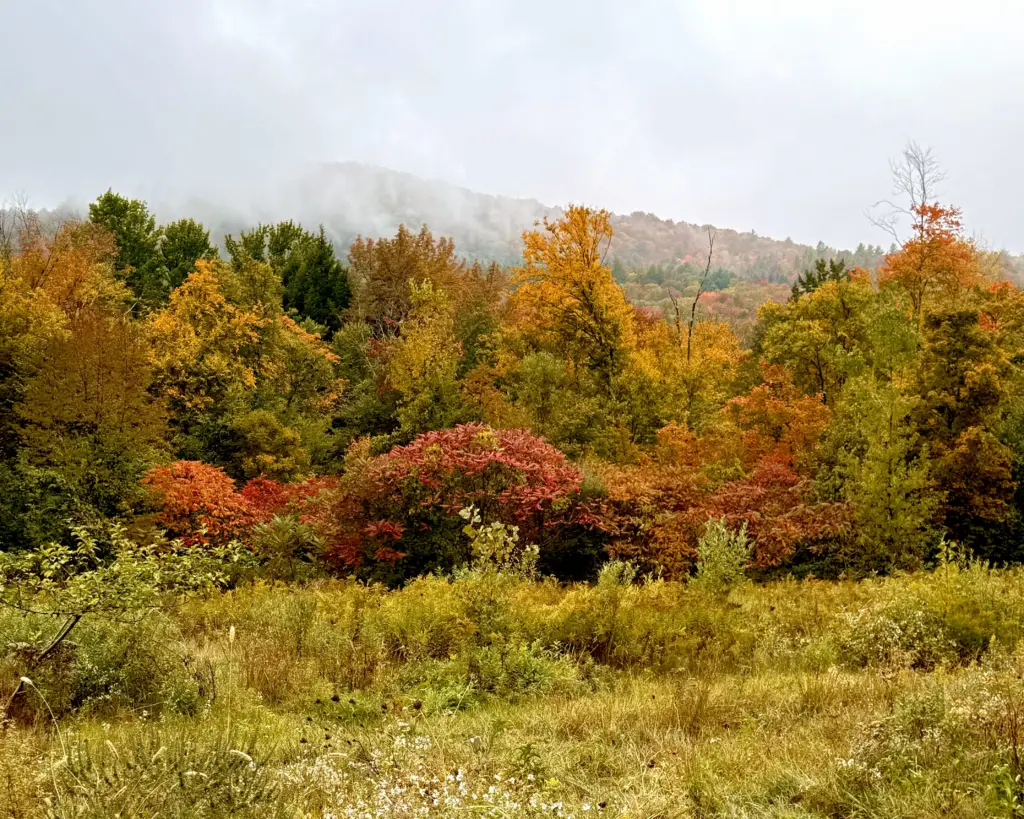
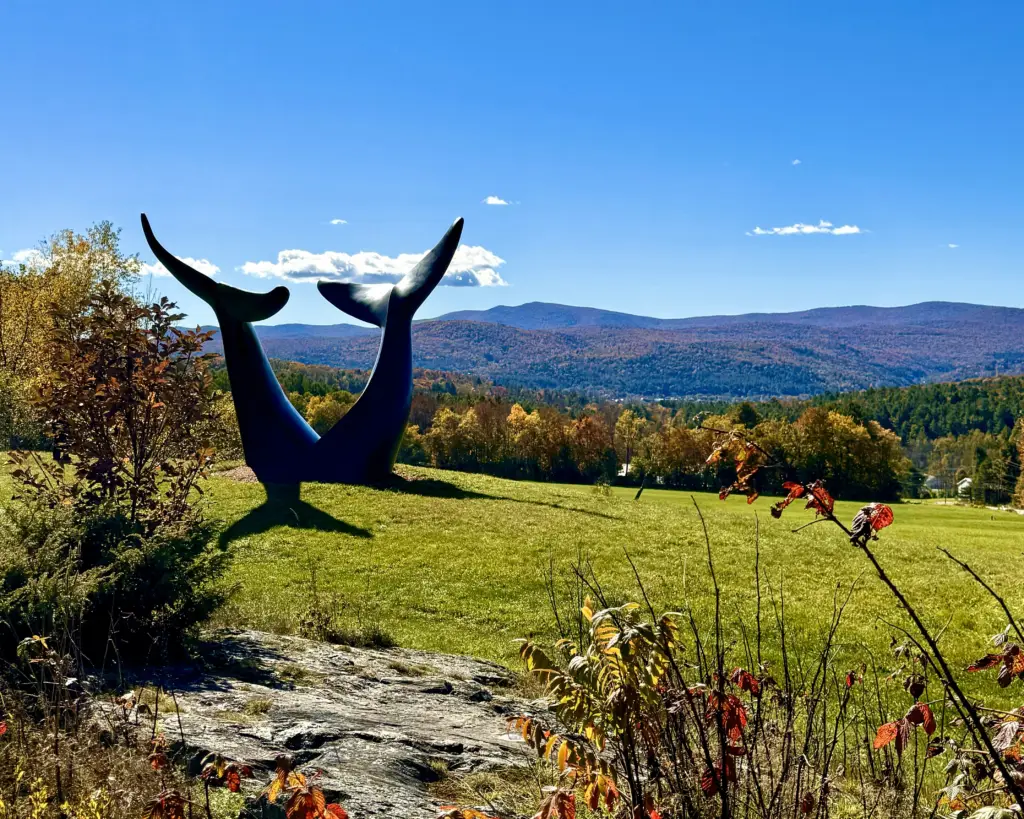
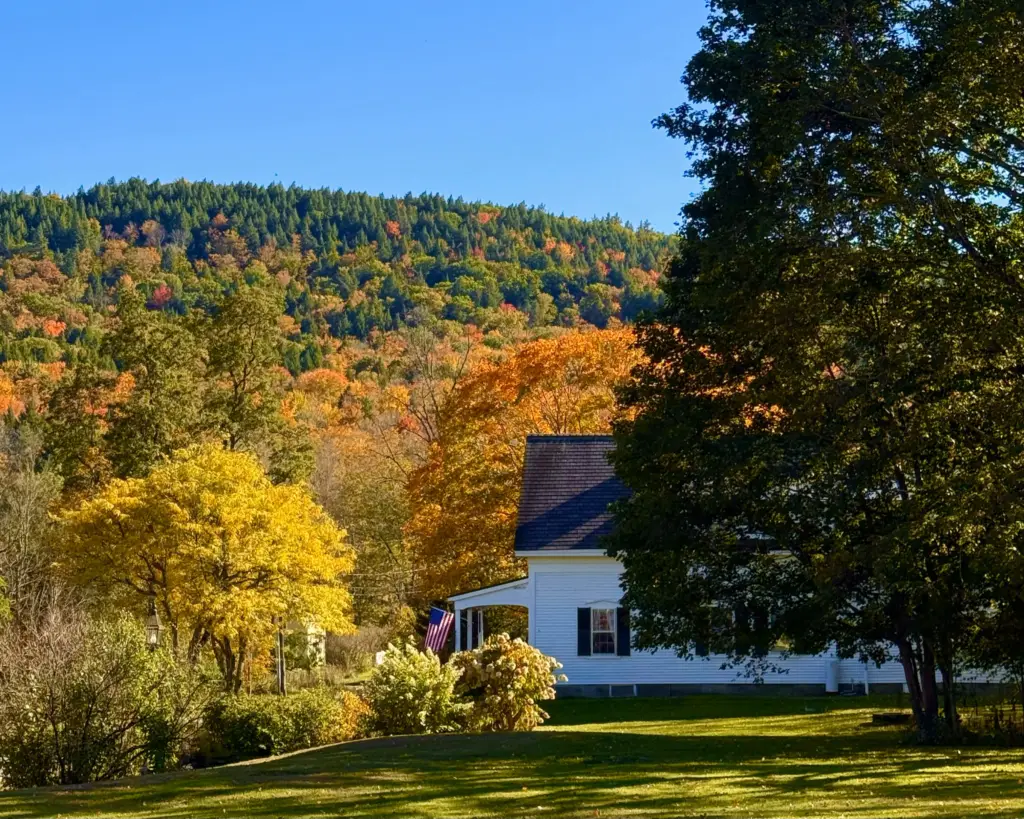
1. Please Don’t Stop in the Middle of the Road for a Photo
Yes, the view is incredible. No, the driver behind you probably isn’t expecting you to slam on the brakes.
This happens constantly during foliage season, particularly on rural roads where someone comes around a corner, sees a mountain covered in color and immediately decides this is the place for a photo.
If you want to stop, find a safe place where you can get your entire vehicle off the traveled portion of the road. Not mostly off. Not two tires off. All the way off.
Many Vermont roads are narrow to begin with. Add foliage traffic, cyclists, pedestrians, farm equipment and cars parked along the shoulder, and things get tight quickly.
Sometimes the best option is simply to enjoy the view from the car and keep going. I promise there will be another one.
2. If the Sign Says Private, Believe It
Google Maps does not override a PRIVATE ROAD sign. Neither does the fact that the road looks particularly beautiful with leaves on it.
Vermont has thousands of miles of dirt roads, and it’s not always immediately obvious to a visitor which ones are public and which ones lead to private homes and properties.
If you see a private road or private property sign, don’t drive down it looking for a better foliage view. Turn around and find another road. There are plenty.
3. Farms, Fields and Front Yards Aren’t Photo Locations
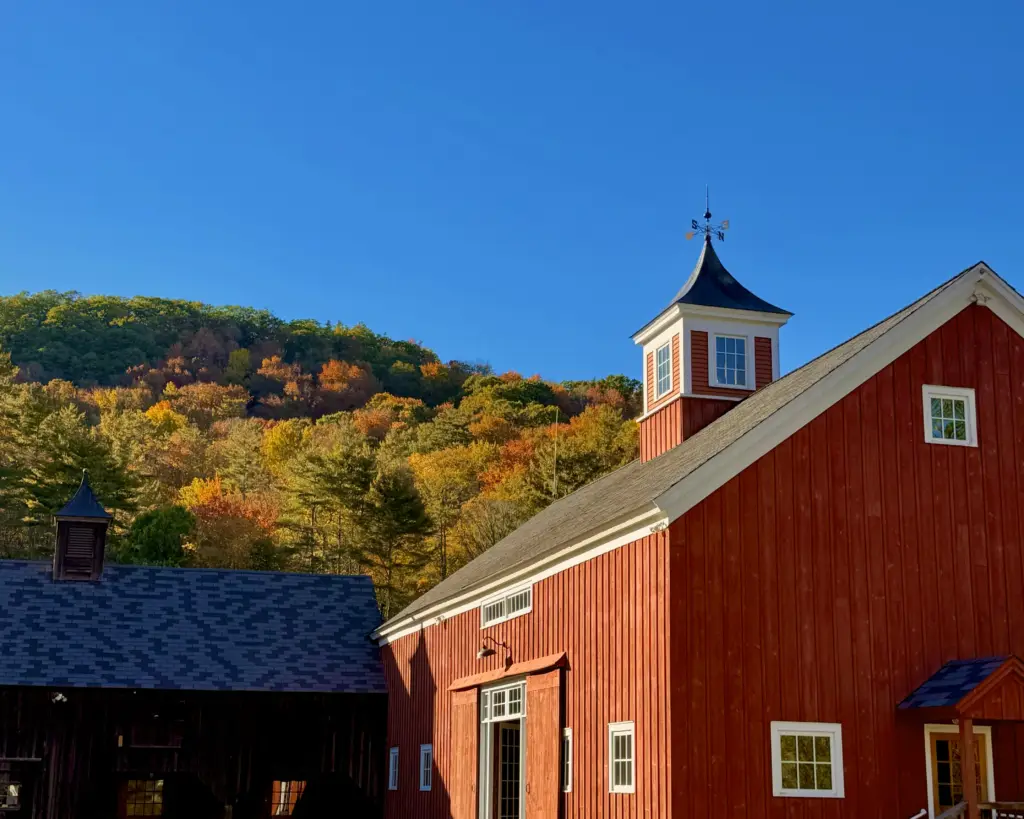
This one seems obvious until foliage season arrives. That beautiful red barn with the mountain behind it? Someone owns it.
The field beside it? Someone owns that too.
So does the fence you’re thinking about sitting on, the driveway you’re considering parking in and the front lawn that would give you the perfect angle.
Unless a farm or property specifically welcomes visitors, stay on public property and photograph it from an appropriate location.
Vermont’s working farms aren’t sets. They’re businesses, homes and, in many cases, properties that families have worked for generations.
Admire them without making yourself part of them.
4. Don’t Follow Google Maps Blindly
Your phone has no idea what kind of car you’re driving.
That’s particularly important in Vermont.
Google Maps may look at two points and decide that a Class 4 road is a fantastic shortcut between them.
You may have a very different opinion once you’re on it.
Vermont currently has more than 1,500 miles of Class 4 town highways, and unlike Class 1, 2 and 3 roads, towns aren’t required to maintain Class 4 highways to the same standard. Some may be rough, narrow, washed out or better suited to a high-clearance four-wheel-drive vehicle than your rental sedan.
If a road suddenly looks considerably rougher than you expected, don’t assume it gets better.
Turning around is an option.
I also strongly recommend downloading offline maps before spending the day exploring Vermont backroads. Cell service is still very inconsistent in rural parts of the state.
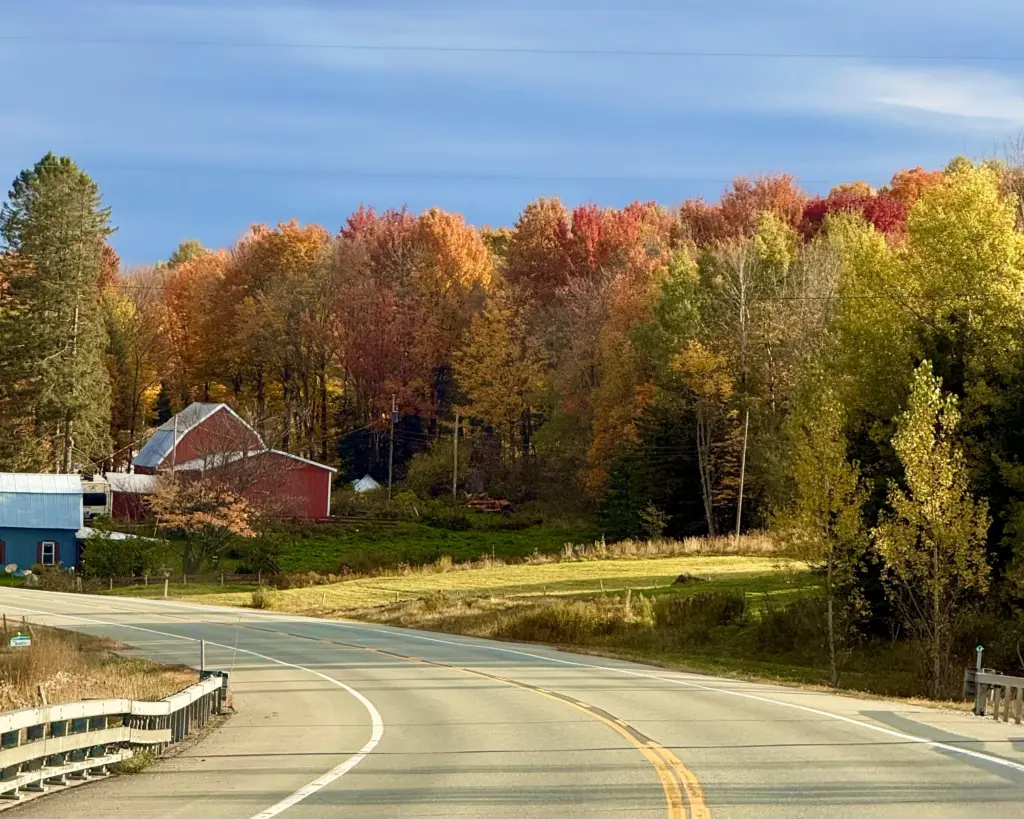
5. Drive Like You’re Sharing the Road With People Who Live Here
Because you are. You might be taking a leisurely foliage drive on a Tuesday afternoon.
The person behind you might be trying to get to work, pick up their kid from school or make a doctor’s appointment. You don’t need to speed. In fact, please don’t.
But if you’ve accumulated a parade of local cars behind you while driving well below the speed limit, find a safe place to pull over and let them pass.
And expect to encounter tractors and other farm equipment.
It’s harvest season for farmers too.
Give them room, be patient and don’t attempt a pass unless it’s legal and you have plenty of visibility. Vermont’s driver manual notes that highway markings and signs indicate where passing is and isn’t allowed; don’t assume a scenic two-lane road is safe for passing just because you’re impatient.
6. Our Small Towns Really Are Small
When you see a Vermont town with a population of 1,500 people, the infrastructure was built primarily for those 1,500 people.
Not 10,000 Saturday visitors. Parking fills up. Restaurants have waits. Public bathrooms can be limited. Coffee shops run out of pastries.
And there may be exactly one person working behind the counter at the general store while 25 people decide what kind of sandwich they want.
Build some flexibility into your day.
If the restaurant has an hour wait, try somewhere else. If a parking area is full, don’t invent your own parking spot. If one town is completely packed, keep driving.
Some of my favorite Vermont fall days happen in the towns that weren’t originally on the itinerary anyway.
7. Spend Some Money in the Communities You’re Photographing
If you’re going to spend 20 minutes photographing a farmstand, buy something.
Get the cider donut. Buy a bag of apples. Order lunch at the general store. Pick up a bottle of maple syrup. Buy something from the independent bookstore. Tip well.
Vermont’s tourism economy is heavily seasonal, and fall is an important few weeks for many small businesses.
Your Instagram photo doesn’t do much for the person running the farmstand unless some of that visitor traffic also turns into actual business.
You don’t have to spend a fortune.
Just participate in the community you’re enjoying.
8. Leave the Swimming Hole, Trail and Backroad the Way You Found It
Pack out your trash.
That includes coffee cups, food wrappers, dog waste and whatever else came into the woods with you.
Stay on marked trails where required. Follow posted rules. Don’t move barriers or ignore closed areas because you can see other people doing it.
And if you find a beautiful place that isn’t clearly set up to accommodate crowds, think twice before geotagging the exact location for thousands of people.
There are places in Vermont where a sudden influx of visitors can create very real parking, erosion, trash and private-property problems.
Sometimes sharing the town or general area is enough.
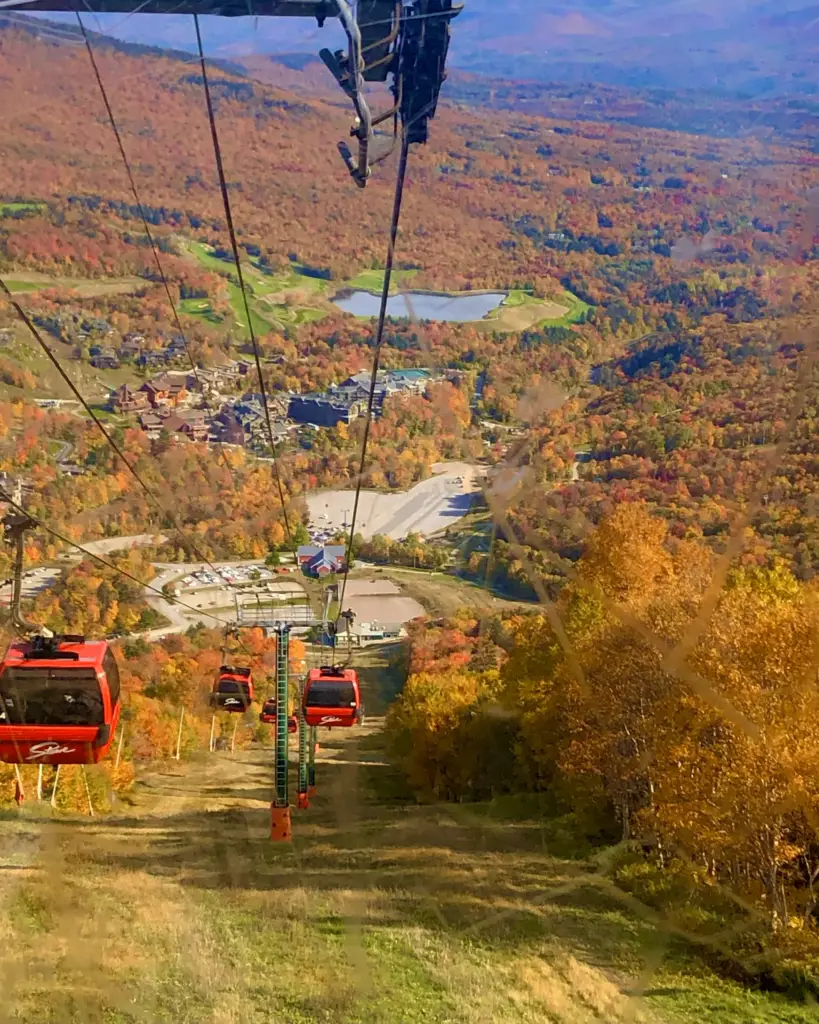
9. Don’t Plan Your Entire Trip Around One Viral Photo
Every foliage season, a handful of Vermont locations take over social media.
And then everyone goes to exactly the same places.
You don’t need to spend your vacation sitting in traffic trying to recreate someone else’s photograph.
Drive ten minutes farther. Turn onto a different public road. Visit the next town.
Stop at the orchard that doesn’t have 200 cars parked outside.
Vermont has more than 250 towns and cities. You have options.
Some of the best foliage views you’ll see won’t have a name attached to them at all.
10. Get Off the Checklist
This is probably my biggest piece of advice for experiencing fall in Vermont.
Don’t spend the entire trip racing between “must-see” stops.
Take the backroad. Stop at the general store. Talk to the person behind the counter. Pull into the farmstand. Get the maple creemee even though it’s 52 degrees outside.
If you see an orchard sign, turn in.
If there’s a church supper, harvest festival or farmers market happening in the town you’re visiting, go.
And leave some empty space in your itinerary.
Vermont in the fall isn’t something you’re going to successfully complete.
You don’t need to see every covered bridge, photograph every red barn or chase peak foliage across six counties in three days.
Pick an area and actually spend some time there.
One Last Thing From a Vermonter
We’re happy you’re here. Fall is one of the best times to experience Vermont, and tourism supports a huge number of the restaurants, farms, inns, shops and small businesses that make our towns what they are.
We just want you to remember that you’re visiting a place where people live. Be curious. Be patient. Spend locally. Respect private property. Pull your car all the way off the road.
And don’t let Google Maps convince you that the unmaintained dirt track disappearing into the woods is definitely a shortcut. It probably isn’t.




Talk with locals
Comments
Be the first to chime in
Been here? Your tip could save the next visitor a wrong turn.