


The question I get asked more than almost any other about traveling to Vermont is deceptively simple: When is the best time to visit Vermont?
And my answer is always the same: it depends.
Do you want peak foliage and cider donuts? Snow-covered villages and skiing? Swimming holes and long summer evenings? Maple sugaring season? Or are you hoping to see a quieter, less polished version of Vermont when you might have an entire backroad or small town almost to yourself?
Vermont is a genuinely four-season destination, and each part of the year offers a completely different experience. Fall gets most of the attention, but I don’t think there’s one universally “best” time to visit Vermont. The best time for you depends on what you want to do, how much you’re willing to spend, how you feel about crowds and just how authentic an experience you’re hoping to have.
Here’s what I’d tell you about visiting Vermont in every season.

Visiting Vermont in Spring: March Through May
Spring might be Vermont’s most misunderstood season.
If you arrive in March or April expecting flowering trees, green hills and sunny patios, you may be surprised. Early spring in Vermont is affectionately, and accurately, known as mud season. Snow begins melting, the ground thaws and Vermont’s countless dirt roads can become very muddy. Hiking trails are often wet and vulnerable to damage, and higher elevations can hold onto snow well after it has disappeared in the valleys.
But spring also offers some experiences you can’t replicate during any other time of year.
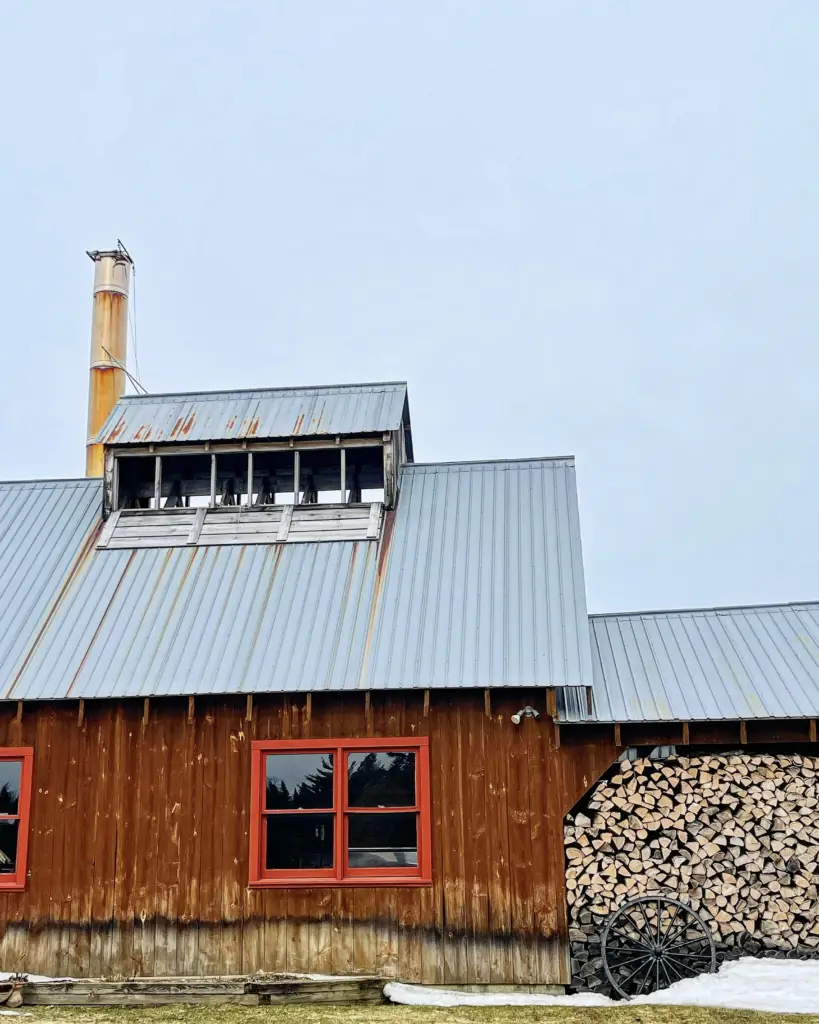
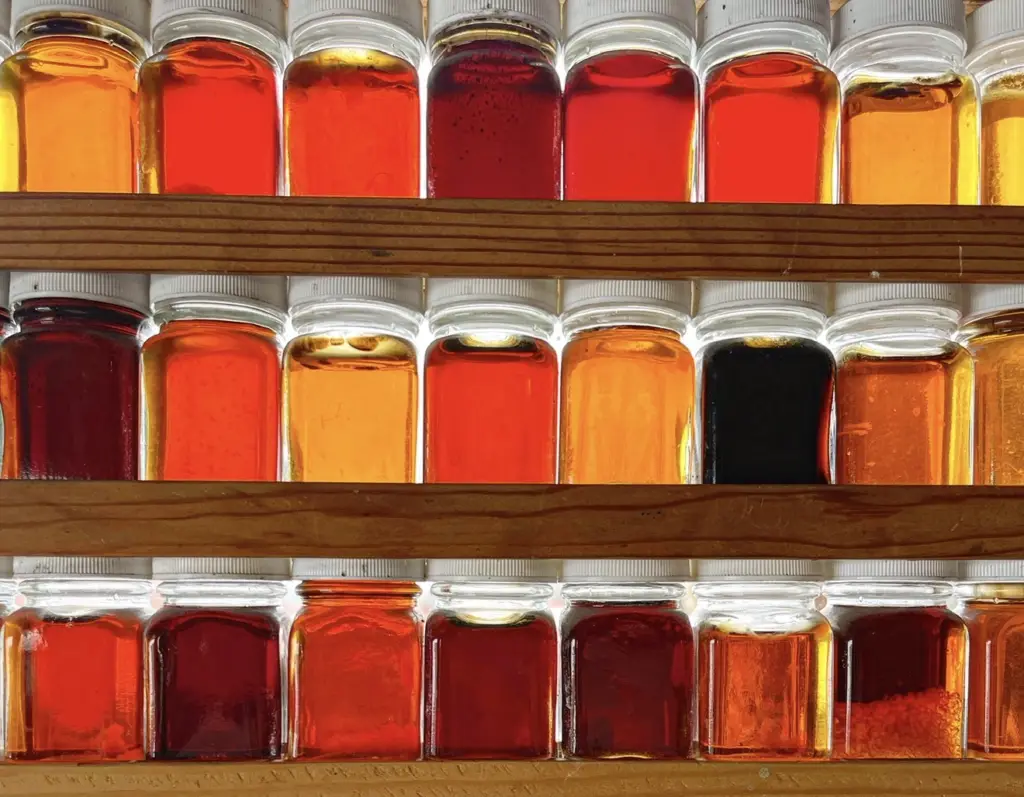
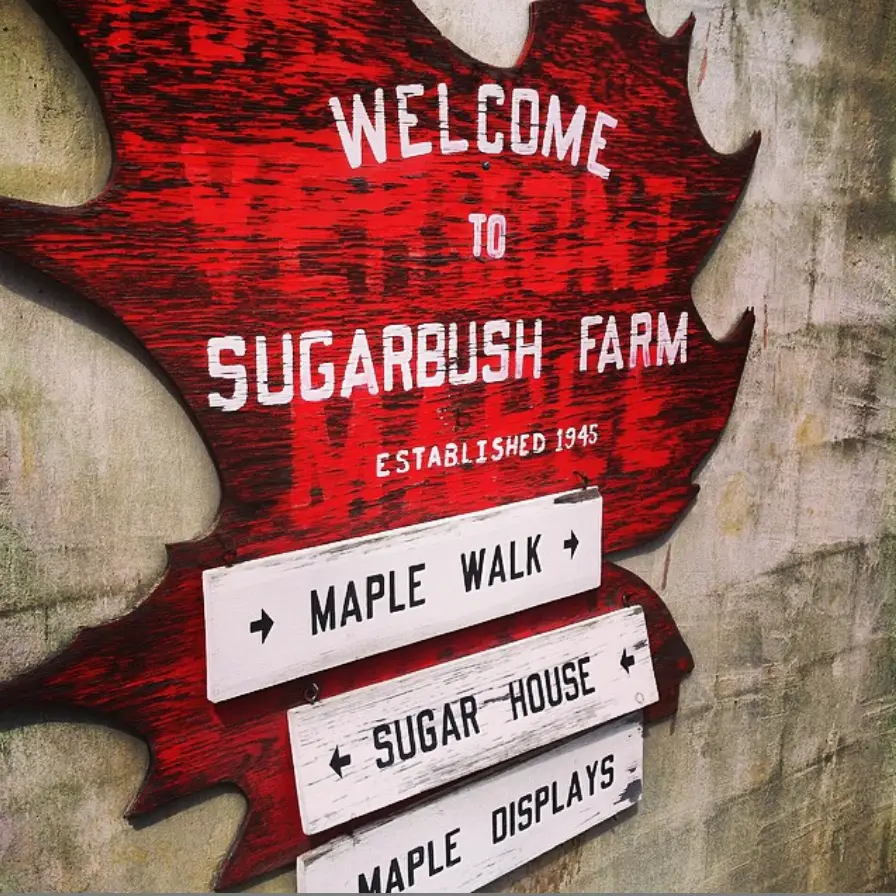
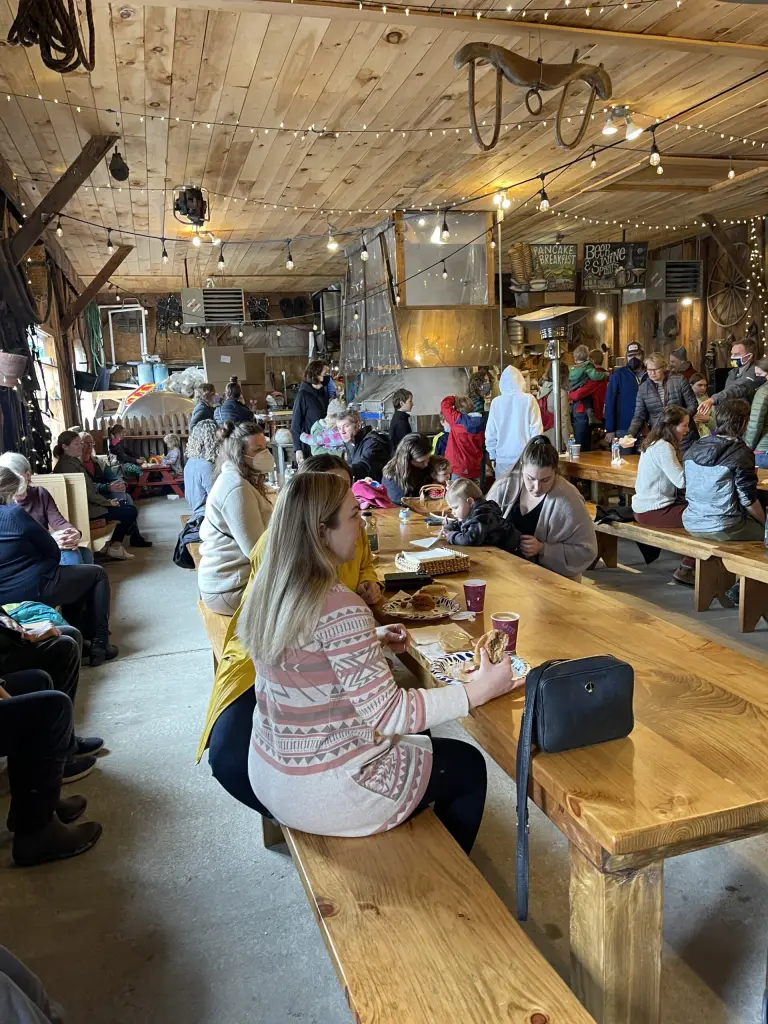
Come for Vermont Maple Sugaring Season
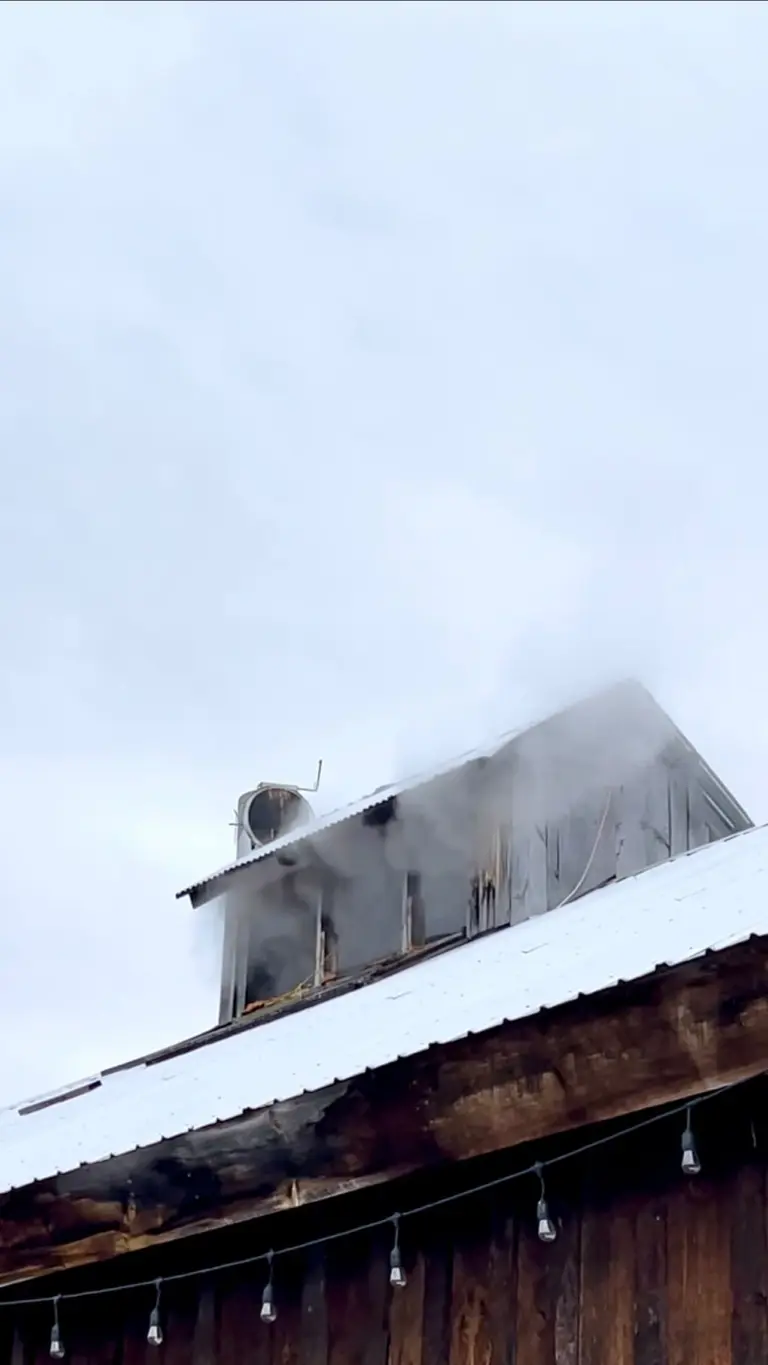
Late winter and early spring bring maple sugaring season, one of the most distinctly Vermont times of year to visit. When daytime temperatures rise above freezing but nights remain cold, sap starts running through Vermont’s sugar maples.
This is when sugarhouses come alive. You can learn how sap becomes maple syrup, taste fresh syrup and seek out maple treats. Vermont’s Maple Open House Weekend is another reason to consider a spring trip if you want an experience centered around one of the state’s most important traditions.
And yes, this is also an excellent time to start looking for your first maple creemee of the year.
Waterfalls Are Incredible in Spring
All that melting snow has another benefit: water.
Spring runoff can make Vermont’s waterfalls and rivers particularly dramatic. If you love waterfalls, this can be one of the most impressive times to see them, although you should always respect closures, water conditions and private property.
Then something remarkable happens around May. The gray and brown landscape begins turning green at what feels like an impossible speed. By mid-to-late May, Vermont can look completely transformed.
Spring is best for: Maple enthusiasts, waterfalls, fewer crowds and travelers who don’t mind a little mud.
Keep in mind: Many trails aren’t ready for hiking yet, dirt roads can be difficult and some seasonal businesses remain closed.

Visiting Vermont in Summer: June Through August
If you ask me which Vermont season doesn’t get enough attention from visitors, summer is a serious contender.
By June, Vermont is intensely green. Farm fields are growing, gardens are blooming, patios are open and the state’s lakes, rivers and swimming holes become part of everyday life.
Summer is when you can pack a tremendous amount into a Vermont trip without having to worry about snow or extremely short daylight hours.
What to Do in Vermont During Summer
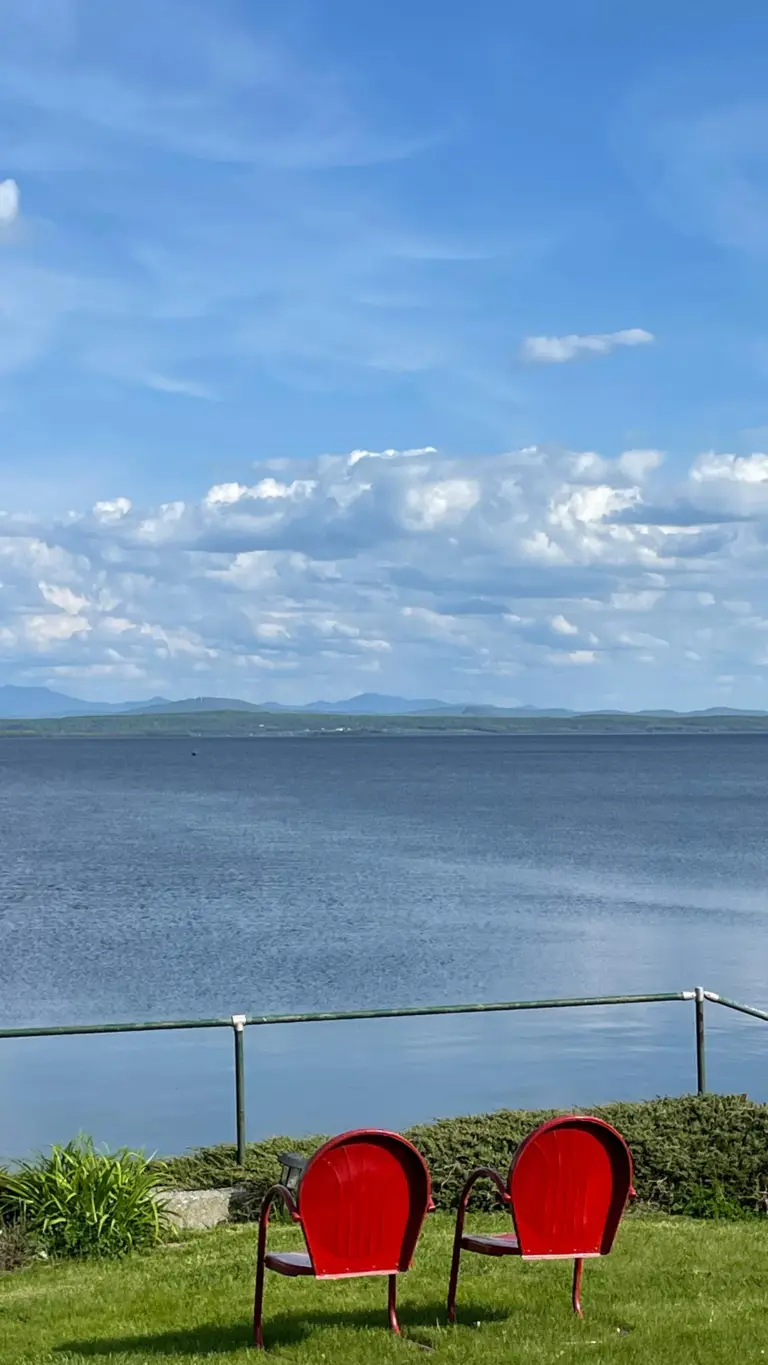
This is the season for hiking, biking, kayaking, paddleboarding and swimming. Spend a day beside Lake Champlain, find a Vermont swimming hole, bike through the Champlain Islands or hike in the Green Mountains.
Farmers markets are in full swing, farmstands fill up as the growing season progresses and outdoor concerts and community events pop up around the state.
It’s also prime road-trip season. Long daylight hours make it easier to explore several towns in a day, although I’d still encourage you not to overpack your itinerary.
Part of a good Vermont summer is having enough time to stop when you unexpectedly encounter a farmstand, bakery, swimming spot or roadside sign that looks interesting.
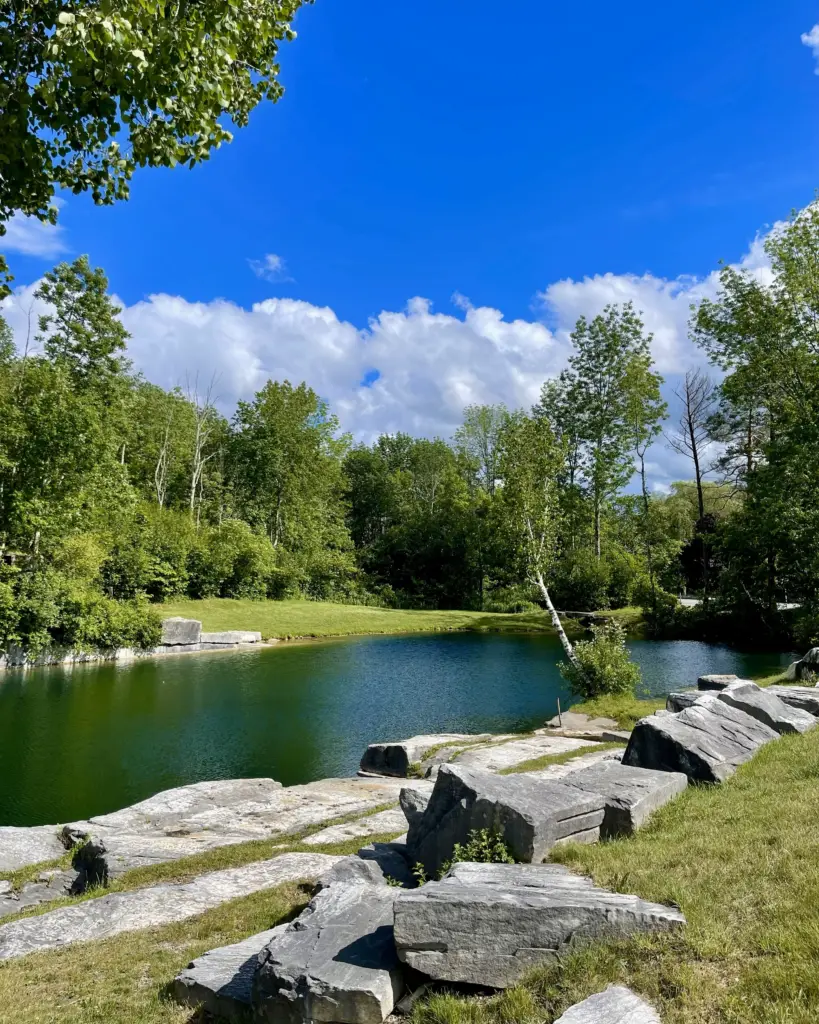


What Is Vermont Weather Like in Summer?
Vermont summers can be warm and humid, particularly in July and August. Bugs are part of the equation, too, especially if you’re hiking or spending time near water.
Popular destinations can get busy on summer weekends, but overall, the season usually gives you more flexibility than peak foliage.
Summer is best for: Hiking, swimming, biking, lake days, farmers markets, road trips and outdoor dining.
Keep in mind: Expect occasional humidity, mosquitoes and busier weekends at popular destinations.
Visiting Vermont in Fall: September Through October
This is the Vermont you’ve probably seen in photographs.
For town-by-town timing, our Vermont foliage map shows when peak color typically arrives across the state.
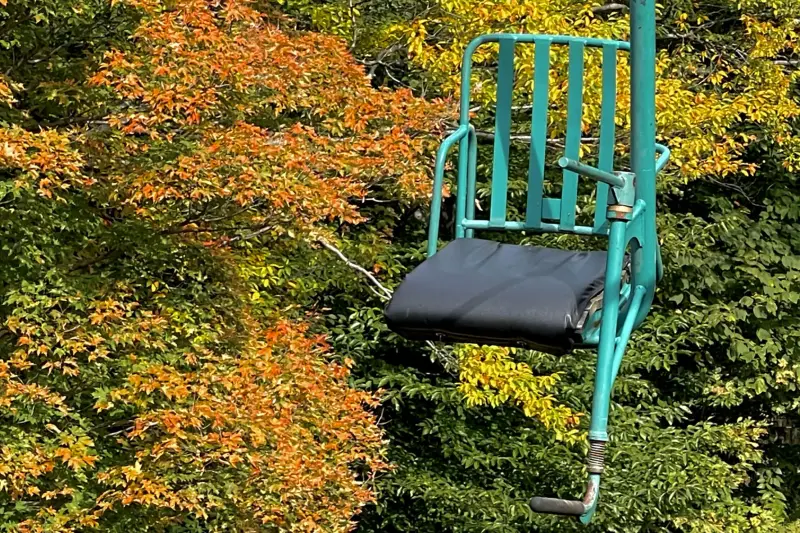
Fall foliage transforms the state’s mountains, valleys and backroads into layers of yellow, orange and red, and there’s a reason travelers come from around the world to experience it.
If your dream Vermont vacation involves apple orchards, cider donuts, scenic drives, covered bridges and mountains covered in foliage, this is your season.
But fall also comes with a few important realities.

When Is Peak Foliage in Vermont?
There is no single date when all of Vermont reaches peak foliage.
Color generally progresses across the state based on elevation, latitude and weather conditions. Northern Vermont and higher elevations can peak before southern areas and lower valleys, which means the “best” foliage location can shift as the season progresses.
Weather matters, too. Temperatures, rain and wind can all influence how quickly colors change and how long leaves remain on the trees.
That’s why I’d be skeptical of anyone promising you that a particular date months in advance will be the perfect peak foliage weekend.
Instead, plan around the broader foliage season and be willing to adjust where you explore once you’re here.
Fall Is Also Vermont’s Busiest Season
Beautiful foliage brings people. Lots of them.
Popular towns, restaurants, hotels and scenic destinations can become extremely busy, particularly on weekends. Lodging can also be considerably more expensive than at quieter times of year.
If you’re visiting during foliage, make reservations early and be respectful when you’re exploring rural areas. Vermont’s scenic roads are also people’s commutes, and those photogenic farms, fields and driveways are often private property.
Fall is best for: Foliage, scenic drives, apple picking, cider donuts, hiking and classic Vermont scenery.
Keep in mind: Expect higher lodging prices, crowds and unpredictable foliage timing.
Visiting Vermont During Stick Season: November
Then comes one of Vermont’s least understood times of year: stick season.
After the leaves fall and before consistent winter snow arrives, Vermont enters a quiet transition. The trees are bare, daylight gets shorter and the landscape can turn gray and moody.
Is November Vermont at its most photogenic? Probably not.
Can it be a fantastic time to visit anyway? Absolutely, depending on what you’re looking for.
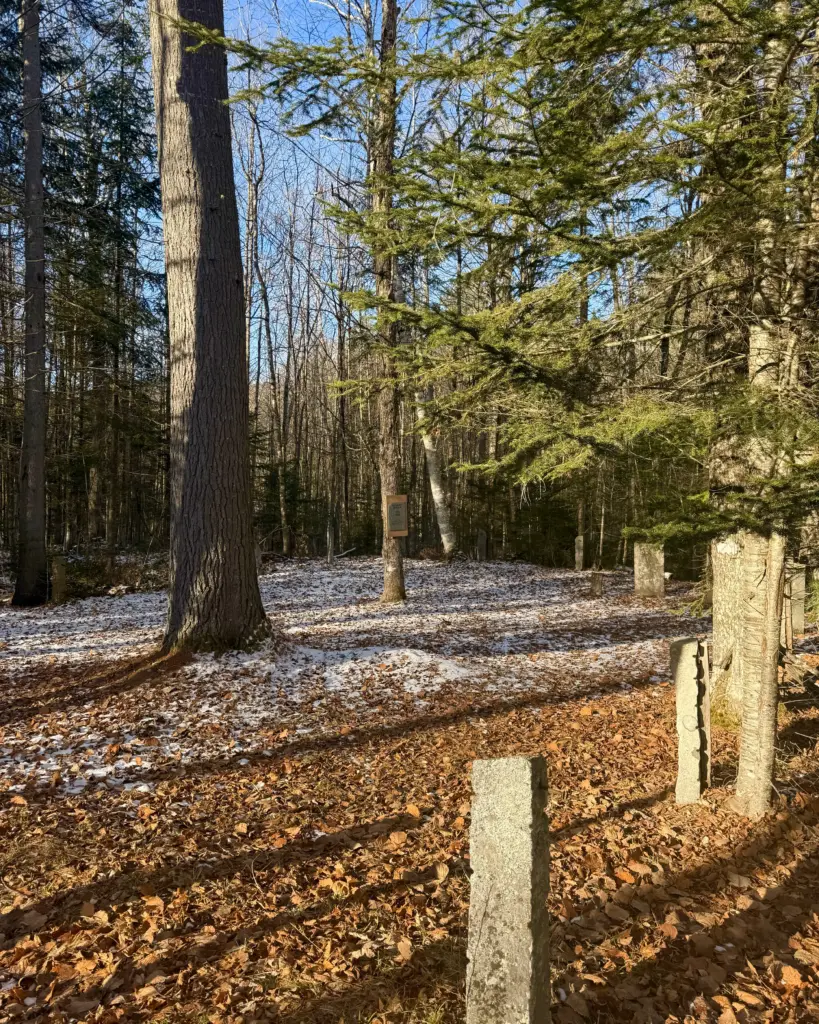
Why Visit Vermont in November?
November strips away a lot of what people imagine Vermont is supposed to look like. You get the towns, restaurants, breweries, shops and landscape without the visual spectacle of foliage or snow.
You also get considerably fewer visitors.
For travelers who prioritize food, cozy inns, bookstores, breweries, spas and exploring towns rather than outdoor scenery, that can be a very good trade.
Just know that some seasonal businesses use this slower period to close temporarily, reduce their hours or take a break before winter.
Stick season is best for: Quiet getaways, restaurants, inns, spas and travelers who actively want to avoid crowds.
Keep in mind: Expect bare trees, gray days, shorter daylight hours and some seasonal closures.
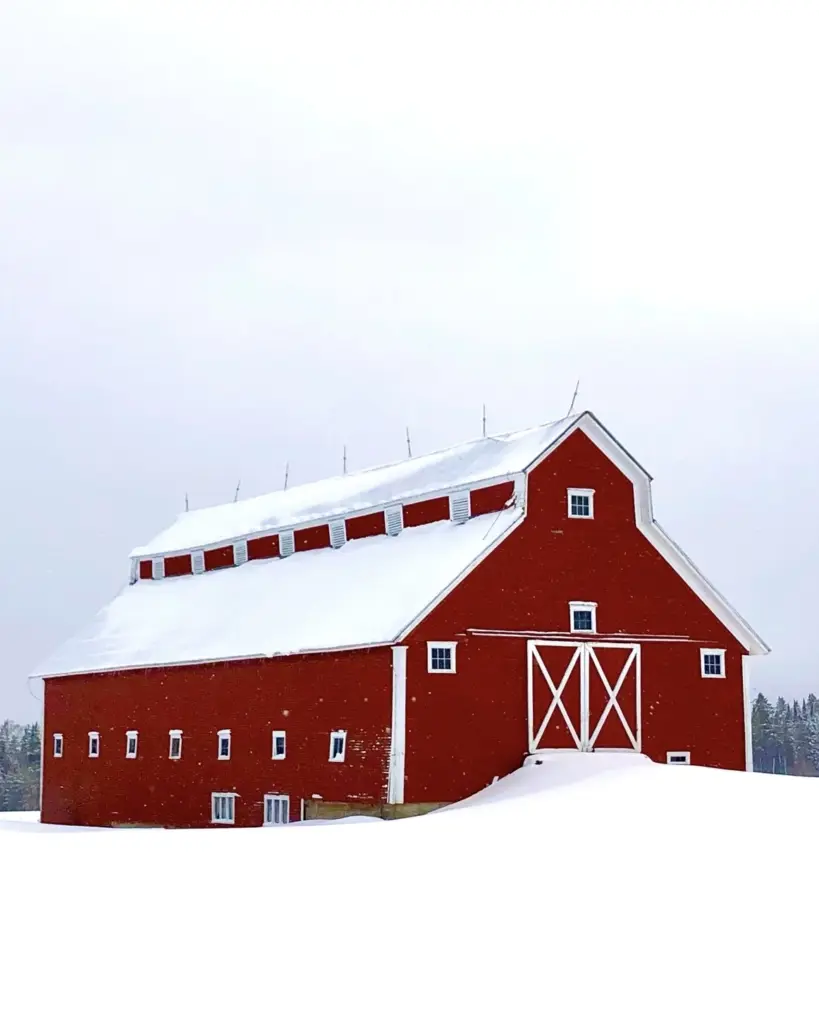
Visiting Vermont in Winter: December Through March
When Vermont actually gets covered in snow, winter completely transforms the state.
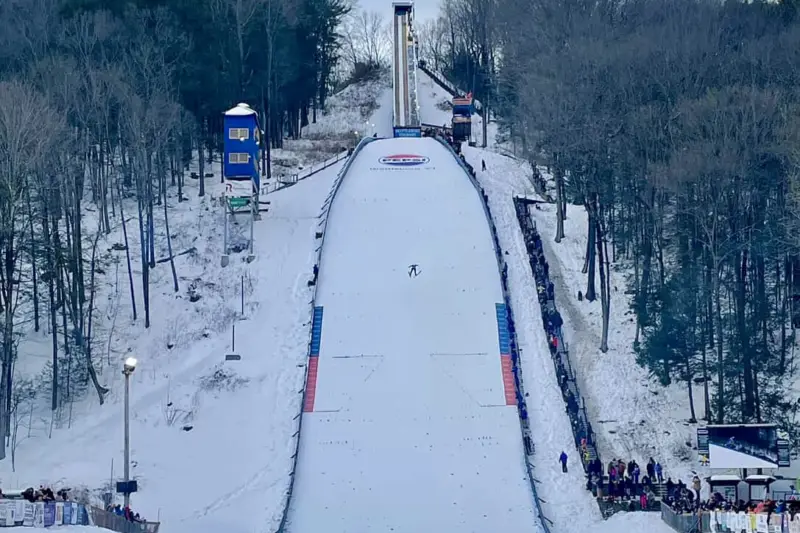
This is ski season, but you don’t have to be a skier to enjoy Vermont in winter. Snowshoeing, cross-country skiing, ice skating, sledding and sleigh rides all offer ways to get outside. Or skip the outdoor adventure entirely and build your trip around fireplaces, restaurants, spas and après-ski.
Vermont’s ski towns are particularly lively during winter, including places like Stowe, Killington, Ludlow, Waitsfield and Manchester.
What to Know About Vermont Winters
Winter here is real.
Temperatures can get bitterly cold, daylight is limited and road conditions can change quickly during a storm. If you’re driving to Vermont in winter, pay attention to the forecast and make sure your vehicle is prepared for the conditions.
It’s also worth remembering that a December visit doesn’t automatically guarantee a Currier-and-Ives blanket of snow. Vermont winters vary from year to year, and lower elevations can look very different from the mountains.
But when the snow is good, Vermont in winter is hard to beat.
Winter is best for: Skiing, snowboarding, snowshoeing, winter scenery, cozy inns, spas and après-ski.
Keep in mind: Cold temperatures, winter driving, short days and busy weekends around ski areas.
So, What Is the Best Month to Visit Vermont?
If you’re trying to choose a specific month, here’s how I’d think about it.
- March
- Come for maple season, late-season skiing and a very local version of Vermont.
- April
- One of the quietest times of year, with mud season and impressive spring runoff.
- May
- Increasingly green, fewer visitors and a beautiful transition toward summer.
- June
- Lush landscapes, long days and the beginning of peak summer adventures.
- July
- Swimming, hiking, farmers markets, lake days and classic Vermont summer.
- August
- Warm weather, farmstands overflowing with produce and plenty of outdoor activities.
- September
- A fantastic transition month, with warm days early on and foliage beginning later in the month.
- October
- The quintessential foliage experience, along with the year’s biggest crowds.
- November
- Quiet, cozy and often overlooked.
- December
- Holiday atmosphere, ski season beginning and the possibility of beautiful snow.
- January
- Serious winter, skiing and some of Vermont’s coldest weather.
- February
- Excellent for a winter getaway, with skiing, snow sports and longer days beginning to return.

My Favorite Time to Visit Vermont
If you’re asking for one perfect week when Vermont is guaranteed to deliver exactly what you’ve imagined, I can’t give you one.
And I actually think that’s part of what makes Vermont interesting.
Fall is spectacular, but it isn’t the only season worth traveling for. Summer might give you more freedom to explore. Spring lets you experience traditions like maple sugaring and see Vermont before the crowds arrive. Winter offers an entirely different landscape. And even stick season has an appeal if what you really want is good food, a cozy hotel and some peace and quiet.
So instead of asking only, “When is the best time to visit Vermont?” ask yourself a different question: What version of Vermont do I want to experience? Once you know that, choosing when to come gets a whole lot easier.




Talk with locals
Comments
Be the first to chime in
Been here? Your tip could save the next visitor a wrong turn.