

There are few better times to go looking for Vermont waterfalls than after a stretch of spring rain. Add snowmelt to several days of wet weather and streams that can look relatively peaceful later in the summer suddenly turn into roaring cascades. Water pours down mountainsides. Roadside falls get considerably louder. And some of Vermont’s biggest waterfalls become dramatically more impressive.
But waterfall chasing in Vermont doesn’t have to mean hiking for hours into the mountains. Some of my favorites require a legitimate hike, while others are practically roadside attractions that you can add to a Route 100 drive. A few have swimming holes that draw crowds on hot summer days. Others should be admired strictly from a safe distance.
If you’re planning a Vermont road trip around waterfalls, these are nine I’d put on your list.

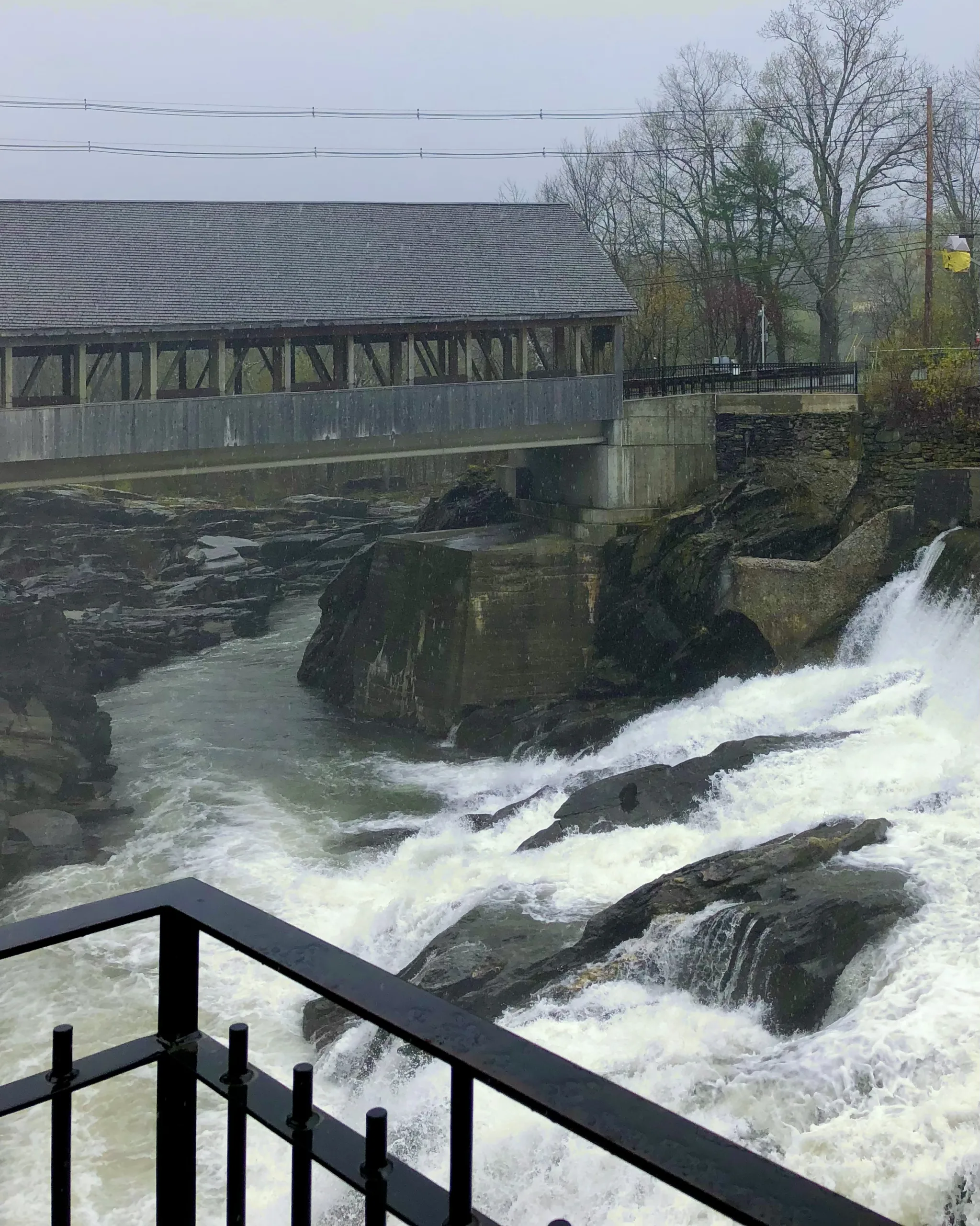
Lye Brook Falls — Manchester
Best for: A waterfall hike with a big payoff
Lye Brook Falls is one of the waterfalls I recommend when you want the waterfall to feel like a reward at the end of an actual hike.
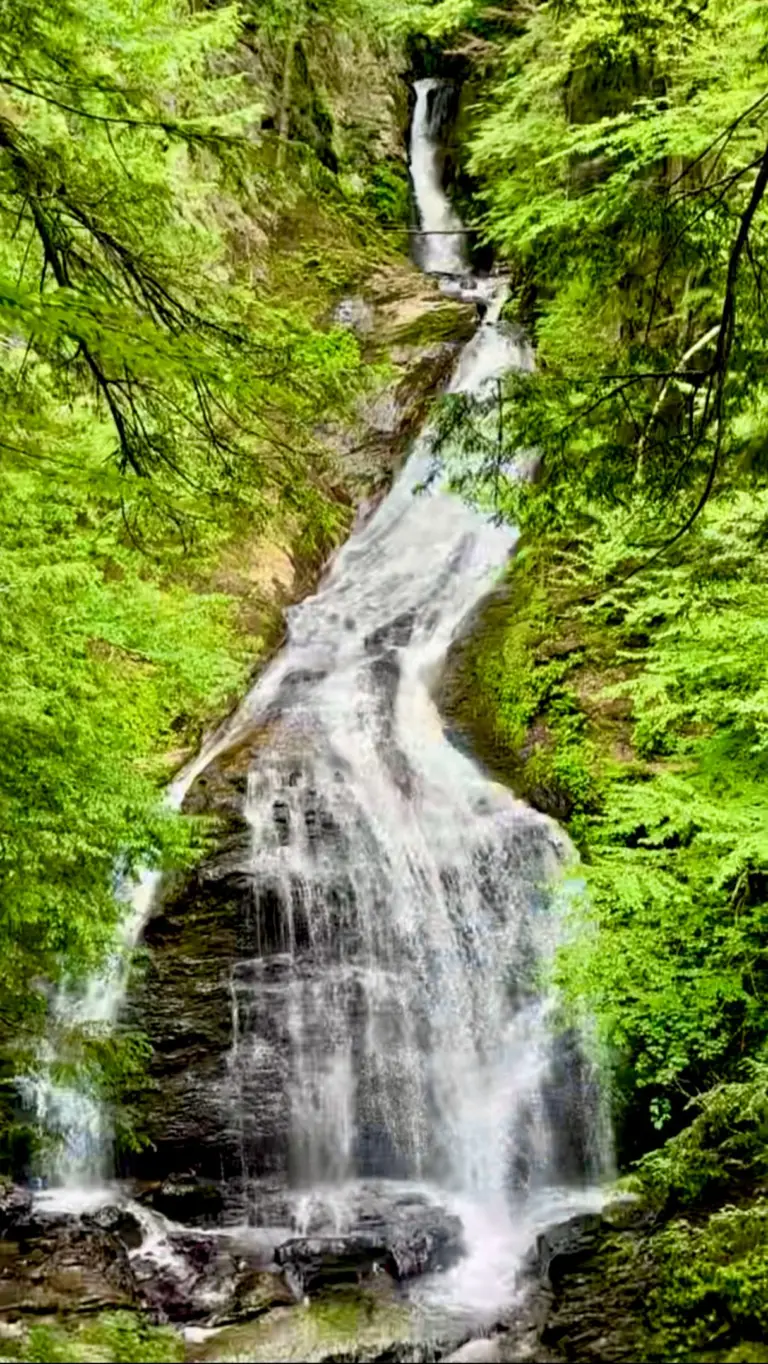
Located in the Green Mountain National Forest near Manchester, Lye Brook Falls tumbles approximately 125 feet down a long rock face, making it one of Vermont’s tallest waterfalls. Its setting feels surprisingly wild considering how close you are to Manchester’s restaurants, shops and hotels.
The hike follows the Lye Brook Falls Trail for roughly 2.3 miles each way, climbing gradually through the forest before reaching the falls. The U.S. Forest Service classifies the trail as more difficult and notes that it can be wet in places, so don’t arrive expecting a quick roadside stroll.
Timing matters here too. Lye Brook is most impressive when there’s plenty of water moving through it, which makes spring runoff and periods following substantial rainfall particularly good times to visit. Later in a dry summer, the waterfall can be considerably less dramatic.
I’d make this part of a full Manchester day: hike in the morning, then return to town for the considerably less strenuous portion of the itinerary involving food.
Moss Glen Falls — Stowe
Best for: One of Vermont’s most recognizable waterfalls
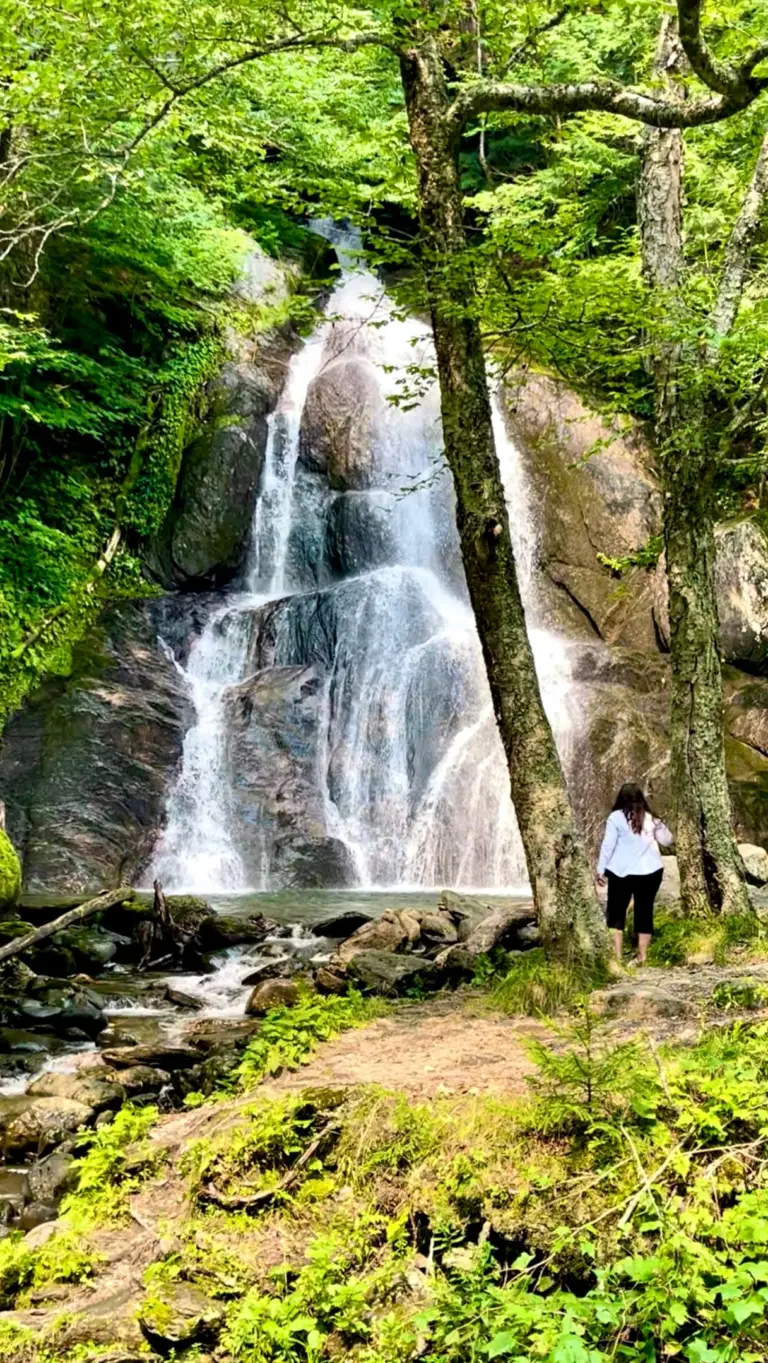
Moss Glen Falls in Stowe is one of those Vermont waterfalls that looks impressive in photos and even better when you’re standing in front of it.
The falls drop more than 100 feet through a forested gorge, creating one of the tallest and most dramatic cascades in the state. Despite its size, you don’t need to commit to a major hike to see it.
The trail begins from Moss Glen Falls Road and reaches a lower viewing area relatively quickly. From there, you can continue farther depending on conditions and how much exploring you want to do.
Spring is one of my favorite times to see Moss Glen because runoff can dramatically increase the amount of water coming down the falls. Fall brings an entirely different experience when the surrounding forest changes color, although you’ll likely be sharing the trail with considerably more people.
Because the terrain around waterfalls can be slick even when the rest of the trail feels dry, this is one where I’d wear shoes with good traction. Don’t assume the short distance means any footwear will do.
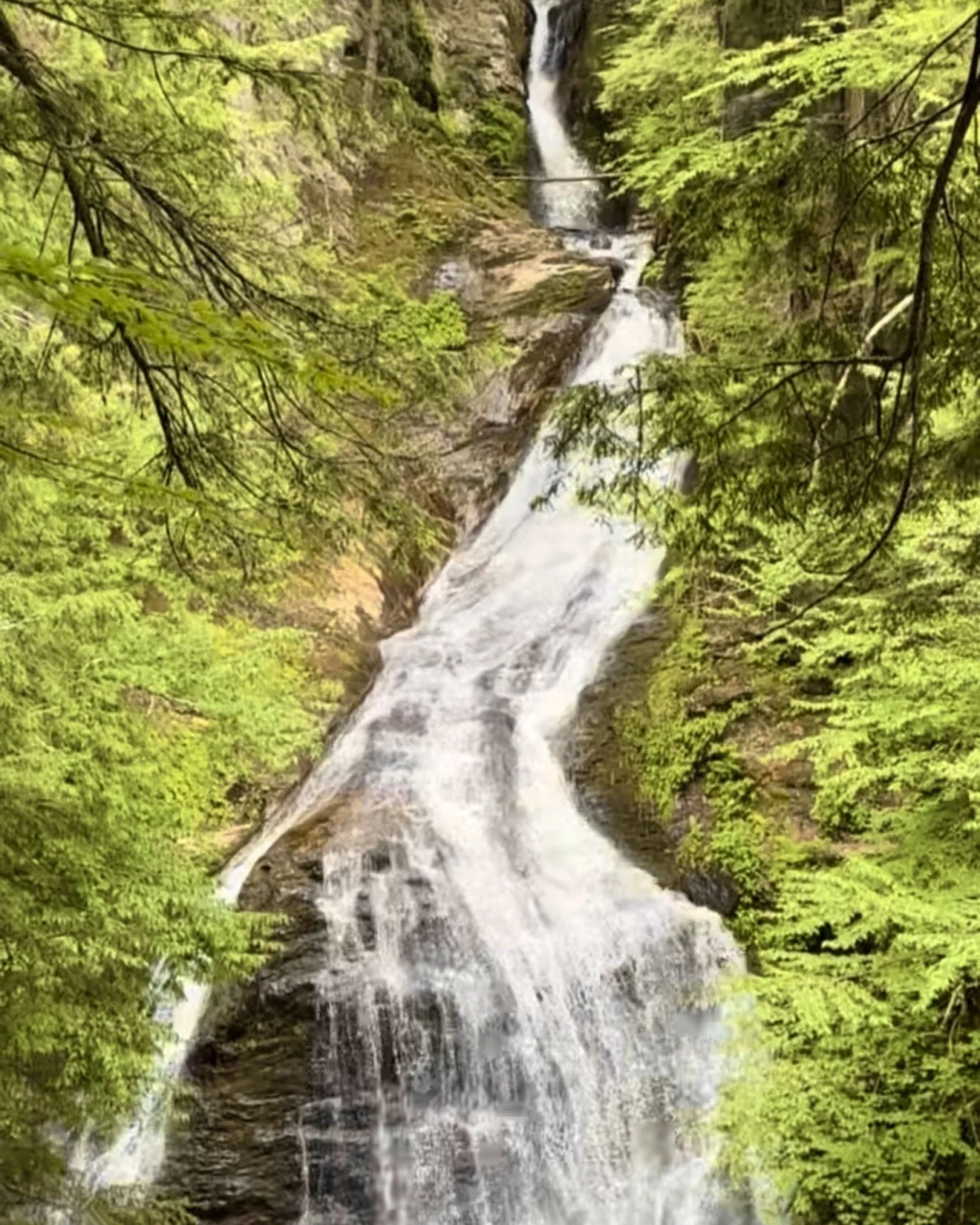
Moss Glen Falls — Granville
Best for: A Route 100 waterfall stop
Yes, Vermont has two Moss Glen Falls.
And yes, this causes some confusion.
The Granville version is along Route 100 in the Granville Gulf Reservation, making it one of the easiest waterfalls on this list to incorporate into a Vermont road trip.
Unlike Lye Brook Falls, you don’t need to earn this one with several miles of hiking. The falls are close to the road, with a short boardwalk providing access to a view of the cascade.
That’s exactly why I love including it on Route 100 itineraries.
You can be driving between Vermont towns, pull over for a relatively quick waterfall stop and then continue on your way. The surrounding forest makes it beautiful throughout the warmer months, but fall is particularly impressive when foliage fills the narrow gulf around it.
Just make sure you’re navigating to Moss Glen Falls in Granville, not the one in Stowe.
They’re both worth visiting, but they’re definitely not next door to each other.
Big Falls State Park — Troy
Best for: Powerful Northeast Kingdom scenery
Head north toward the Canadian border and you’ll find one of Vermont’s more dramatic river waterfalls at Big Falls State Park.
The Missisquoi River funnels through a rocky gorge here, creating a powerful series of drops and rapids surrounded by exposed bedrock and forest. It’s a very different waterfall experience from the long, delicate cascades you’ll find at places like Lye Brook.
This one feels forceful.
Big Falls State Park is also relatively undeveloped, which is part of its appeal. Don’t expect a visitor center, elaborate trail system or heavily managed attraction. You’re coming for the river, gorge and waterfall.
That also means you need to be cautious around the water and rocks, particularly when the river is running high. Conditions around waterfalls can change quickly, and the same water volume that makes a waterfall spectacular after heavy rain can make the surrounding area considerably more dangerous.
If you’re exploring Vermont’s Northeast Kingdom, I’d add Big Falls to a larger day rather than making it your only destination. This corner of the state rewards wandering.
Bingham Falls — Stowe
Best for: A short hike into a dramatic gorge
Bingham Falls is one of my favorite examples of a Vermont hike that doesn’t need much mileage to feel adventurous.
Located along Route 108 in Smugglers’ Notch State Park, the trail descends through the woods toward a series of cascades and pools. Then it reaches the main waterfall, which drops into a deep rocky gorge.
The hike is short, but I wouldn’t call it effortless.
The descent becomes steep, rocky and potentially slippery, especially near the water. That means the climb back out is also considerably more noticeable than the mileage might suggest.
In summer, Bingham Falls has long been known as a swimming destination, but don’t treat the water casually. Mountain streams can be extremely cold, currents can be powerful and conditions change with rainfall and runoff. Jumping or diving around waterfalls and unfamiliar pools carries additional risks because submerged rocks, depth and currents aren’t always visible from above.
Personally, I’m perfectly happy to find a rock, admire the water and save my swimming for somewhere considerably calmer.
Falls of Lana — Salisbury
Best for: Pairing a waterfall hike with Lake Dunmore
Falls of Lana is a great choice when you want to turn your waterfall hunt into a larger outdoor day.
Located near Lake Dunmore and Branbury State Park, the Falls of Lana are a series of cascades dropping through a rocky gorge on Sucker Brook. Rather than one single clean plunge, you’re getting multiple sections of rushing water surrounded by forest.
There are several trails in this area, which means the exact mileage depends on how you approach the falls and whether you extend your hike toward nearby destinations.
That’s part of what makes this one fun.
You can keep the focus on the waterfall or turn the outing into a longer hike before heading to Lake Dunmore afterward for a picnic, paddle or swim during the warmer months.
If you’re visiting during spring runoff, expect wet trail conditions and plenty of water moving through the gorge. In summer, combining the hike with time at the lake makes this an easy half-day or full-day Addison County adventure.
Bartlett Falls — Bristol
Best for: A classic Vermont swimming-hole setting
Bartlett Falls, often called Bristol Falls, is one of Vermont’s better-known summer swimming-hole destinations.
The New Haven River pours over a broad rock ledge before collecting in a large pool below, creating the kind of scene people imagine when they think about spending a hot Vermont afternoon beside a river.
It’s easy to understand the appeal.
The waterfall isn’t particularly tall compared with Lye Brook or Moss Glen, but height isn’t the reason to come here. It’s the combination of broad rushing water, sculpted rock and the pool below that makes Bartlett Falls so recognizable.
Summer also means crowds, so don’t expect to have the place to yourself on a beautiful weekend.
And as with every natural swimming hole, conditions matter enormously. High water, strong currents and slippery rocks can turn a familiar swimming area into a dangerous one, particularly after heavy rainfall. Never assume that because you’ve seen people swimming somewhere before, the conditions are safe on the day you’re visiting.
Sometimes the best waterfall day is simply sitting beside it.
Texas Falls — Hancock
Best for: Families and an easy Route 100 detour
Texas Falls is one of the easiest waterfalls on this list to recommend to people who want beautiful scenery without a strenuous hike.
Located in the Green Mountain National Forest near Route 100 in Hancock, the Texas Falls Recreation Area has a short loop trail that follows Hancock Branch through a narrow gorge. Along the way, you’ll see rushing cascades, pools and smooth rock formations shaped by moving water.
It’s a compact area with a surprising amount to see.
There are also picnic facilities, which makes Texas Falls particularly easy to incorporate into a family road trip through central Vermont. Rather than committing several hours to a mountain hike, you can stretch your legs, walk the loop, spend some time beside the water and continue exploring.
One important distinction: this is a place to enjoy the scenery, not a swimming destination. The gorge contains fast-moving water, slippery rock and powerful currents.
Bring lunch, not a bathing suit.

Hamilton Falls — Jamaica
Best for: A spectacular waterfall that demands respect
Hamilton Falls is beautiful.
It’s also one of the places on this list where the safety warning needs to be just as memorable as the scenery.
The waterfall drops approximately 125 feet over a broad rock face, with water sliding and cascading through smooth rock formations on its way down. The setting is spectacular, particularly when there’s a good amount of water flowing.
But the upper pools and chutes at Hamilton Falls are dangerous.
This is not a swimming hole, and visitors should not enter the pools or attempt to slide down the falls. Smooth rock, deceptively powerful currents and the shape of the cascades have contributed to fatal accidents here.
Admire Hamilton Falls from safe viewing areas and resist the temptation to get closer to the water for a photo.
There are different ways to reach the falls depending on where you begin, including trail access associated with Jamaica State Park and Hamilton Falls Natural Area, so check the current route, mileage and access conditions before your visit.
This is one of Vermont’s most impressive waterfalls precisely because of the force of the water moving through it.
Give it the space it deserves.
When Is the Best Time to See Vermont Waterfalls?
If your priority is seeing waterfalls at their most powerful, spring is hard to beat.
Snowmelt combined with spring rain sends considerably more water through Vermont’s streams and rivers than you may see during a dry stretch in August. Late spring also gives you the bonus of a landscape beginning to turn green again after months of snow and mud.
But there’s a tradeoff.
More water also means stronger currents, wetter trails and more slippery rocks. A stream crossing that’s straightforward during summer may be significantly more difficult or unsafe during runoff, and getting close to the edge of a waterfall becomes even riskier.
Summer generally brings lower water levels but warmer weather, making waterfalls with nearby swimming areas particularly popular. Fall adds foliage to the equation and can be spectacular after a period of rain. Frozen waterfalls in winter can be beautiful but introduce an entirely different set of hazards involving ice, snow and difficult trail conditions.
There really isn’t one perfect waterfall season. There are just different versions of the same places.
A Few Things to Know Before Chasing Vermont Waterfalls
Waterfalls deserve more caution than an ordinary scenic overlook.
Wet rock can be extraordinarily slippery, and moss-covered surfaces can be even worse. Stay back from the top and edges of falls. Don’t climb onto wet ledges for photos. And never assume a swimming hole is safe simply because other people are using it.
After heavy rainfall, give rivers and streams extra respect. The water may look spectacular, but currents can be much stronger than they appear from shore.
I’d also check current trail and access conditions before driving to any of these locations. Vermont weather, road work, seasonal closures and trail maintenance can affect access, and conditions can change quickly.
And, as always, pack out what you bring in. Waterfall areas are some of Vermont’s most heavily visited natural places, and keeping them beautiful depends on visitors treating them like natural areas rather than amusement parks.

Build a Vermont Road Trip Around the Waterfalls
One of the best things about waterfall chasing in Vermont is how naturally it fits into exploring the rest of the state.
You can hike to Lye Brook Falls and spend the rest of the day in Manchester. Visit Bingham Falls and Moss Glen Falls while you’re exploring Stowe. Add Granville’s Moss Glen Falls and Texas Falls to a Route 100 road trip, or pair Falls of Lana with an afternoon around Lake Dunmore.
Farther north, Big Falls gives you another reason to explore the Northeast Kingdom, while Hamilton Falls can become part of a Southern Vermont adventure around Jamaica.
Some require a few hours and hiking shoes.
Others require little more than pulling over.
Either way, if it’s been raining in Vermont for several days and you’re wondering what to do when the sun finally comes back out, I have a suggestion.
Go find a waterfall.




Talk with locals
Comments
Be the first to chime in
Been here? Your tip could save the next visitor a wrong turn.