
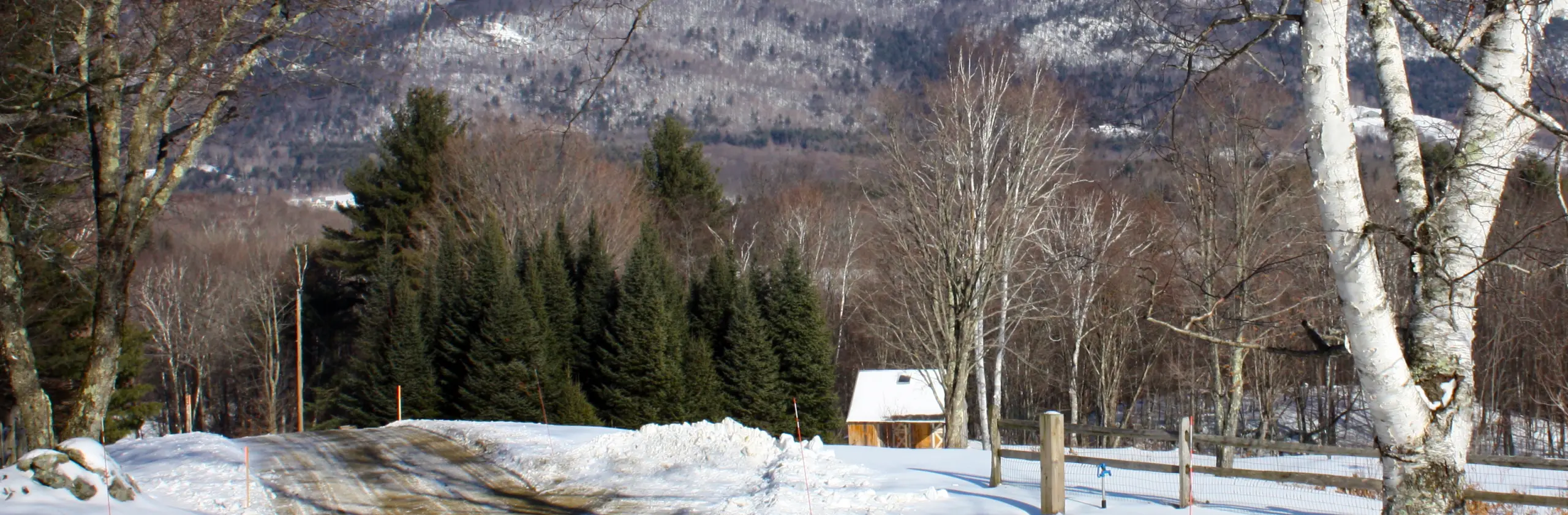

No matter where you live, the weather is a reliable topic for small talk. But in Vermont, particularly in the middle of January, it’s practically a competitive sport.
When temperatures have been hovering below zero for days on end, you can count on just about every conversation beginning with some variation of, “Cold enough for you?”
And then come the complaints.
Cars that won’t start. Icy sidewalks. Heating oil bills that make you question your financial decisions. Woodpiles disappearing faster than anticipated. Drafty windows, frozen pipes, and the occasional burst pipe that turns an already miserable morning into a very expensive one. Windburn, frostbite, and that particularly unpleasant sensation of your nostrils freezing together when you step outside.
And just when you’ve finally adjusted to the cold, Vermont throws in a January thaw. Temperatures climb above freezing, everyone briefly celebrates, and then the whole state turns into an ice rink when the thermometer inevitably drops again.
Eventually, winter gives way to mud season, when our beloved dirt roads become nearly impassable and every vehicle in Vermont is some variation of brown.
And then, seemingly overnight, the trees leaf out, the mountains turn green, the days get longer, and we remember why we choose to live here.
It’s a familiar cycle. And somehow, despite knowing exactly what’s coming every year, we never seem to run out of things to say about the weather.
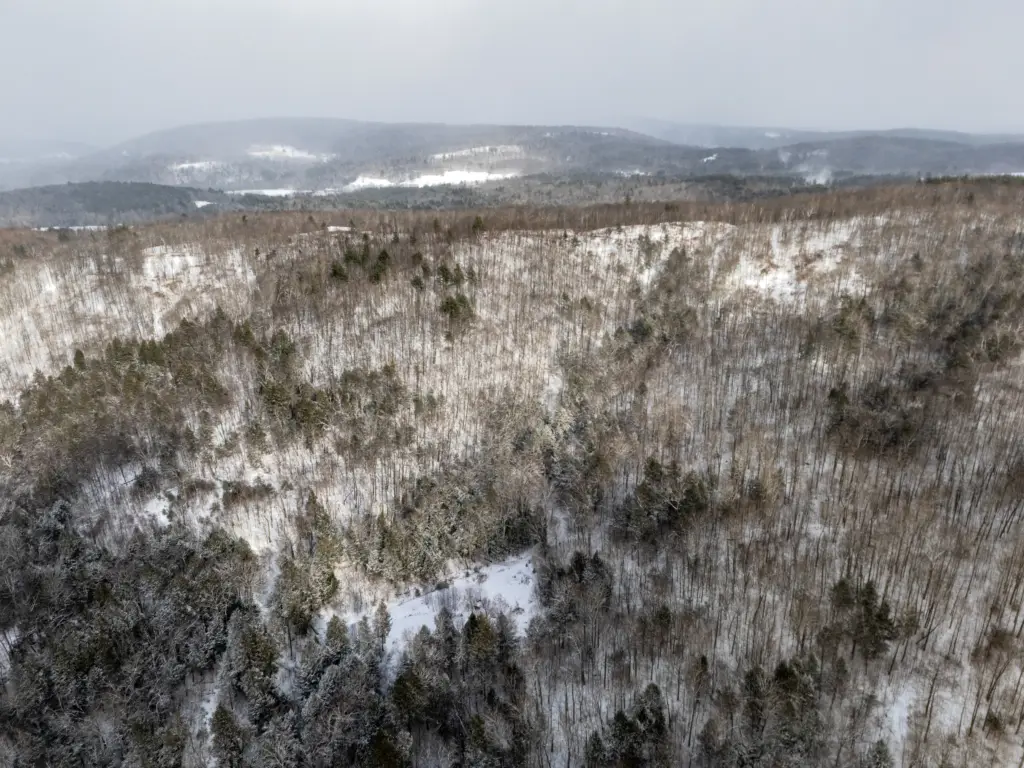
Vermont Winters Build Character. Or So We Tell Ourselves.
There’s a certain pride that comes with surviving a Vermont winter.
We know how to dress in layers. We understand the value of a good pair of wool socks. We own more winter hats than any reasonable person should need, and we have strong opinions about snow tires, heating systems, and the appropriate temperature to keep a house.
We know that all-wheel drive doesn’t mean all-wheel stop. That the temperature displayed on your dashboard doesn’t account for the wind. And that there’s a very real difference between a pleasant 25-degree winter afternoon and a windy 25-degree day that makes you question why you left the house.
We’ve learned to keep an ice scraper in the car, an extra pair of gloves within reach, and enough firewood on hand to get through whatever the next storm might bring.
And yes, we’ve also developed an appreciation for flannel sheets, down parkas, and Darn Tough socks.
But I think Vermont winters do something more important than simply make us better prepared for cold weather. They have a way of shaping the people who choose to live here. In fact, I’ve long maintained that winter is Vermont’s most effective form of population control.
And I suspect more than a few Vermonters would agree.
The Unofficial Population Control of Vermont
Vermont is one of the least populated states in the country, and while there are plenty of reasons for that, I have to believe our winters play a role.
It’s one thing to visit Vermont for a beautiful fall weekend, when the mountains are covered in brilliant foliage, the temperatures are comfortable, and every winding backroad looks like something out of a postcard.
It’s another thing entirely to live here in February.
When your car won’t start. When you have to shovel the driveway before work. When the sun disappears before dinner. When you’re paying to heat a house while simultaneously wondering why every room still feels cold.
Or when you’ve spent twenty minutes getting dressed to go outside, only to realize you forgot something upstairs.
Vermont is a wonderful place to visit, but living here requires a certain willingness to accept inconvenience.
And while I’m certainly not suggesting that everyone who lives in Vermont enjoys the cold, I do think there’s something interesting about the people who decide the trade-offs are worth it.
We value the mountains, the open space, the small towns, and the sense of community enough to put up with a few months of less-than-ideal conditions.
Okay, more than a few months. But the point stands.
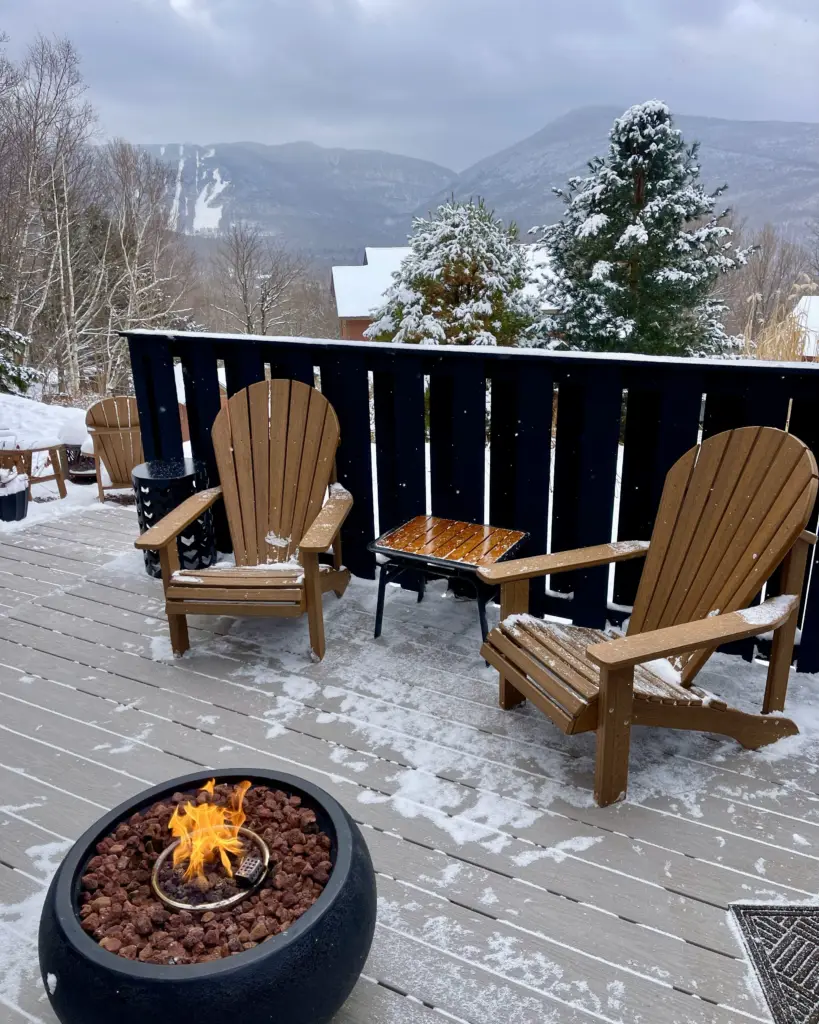
A Winter Night at Mad River Glen That Put It All Into Perspective
One of my favorite examples of this happened during an evening of après-ski at Mad River Glen in the Mad River Valley.Now, I’m not much of a skier myself, but I’ve always appreciated ski culture in Vermont, particularly the community that forms around our independent mountains.
And if you’ve ever experienced après-ski at Mad River Glen when The Grift is playing, you know exactly what I’m talking about.
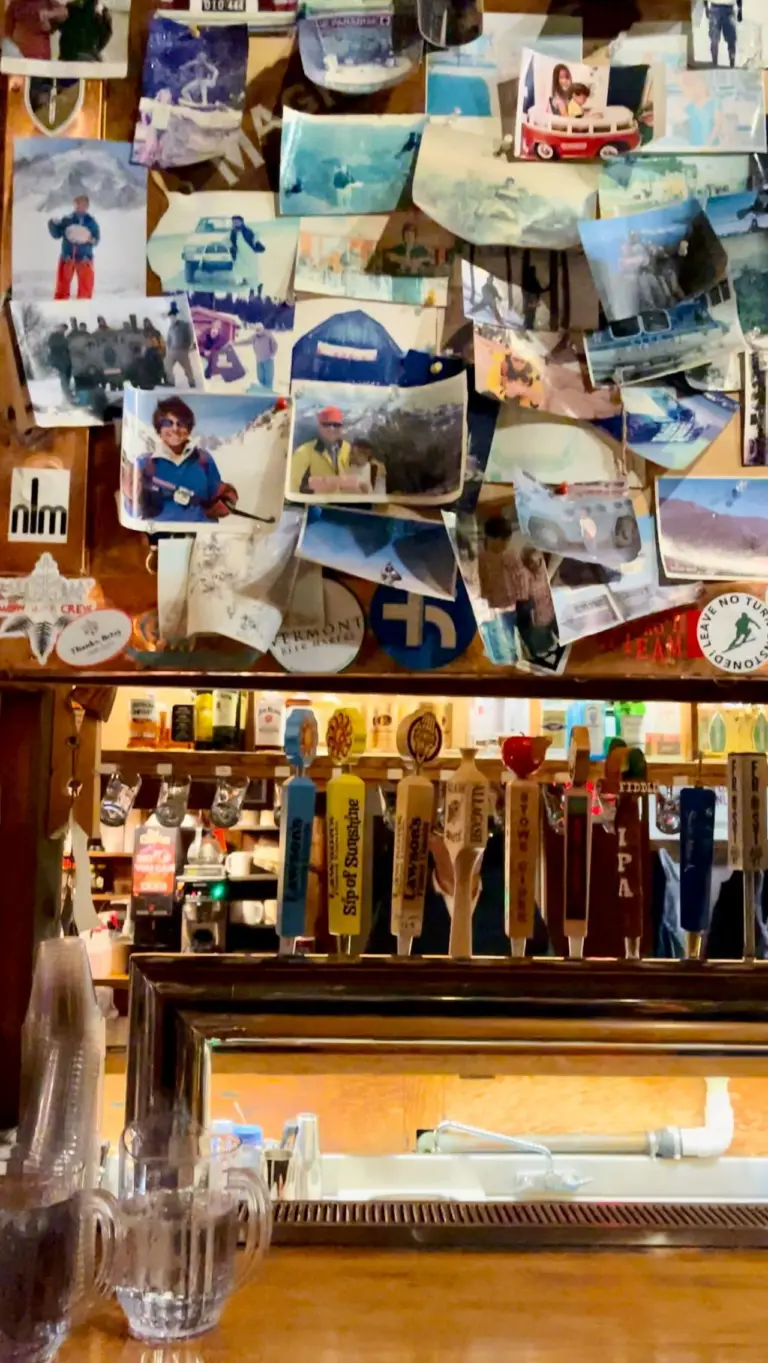
General Stark’s Pub becomes a gathering place for what feels like half the valley. Young and old, skiers and nonskiers, friends and strangers, all packed together in ski jackets, wool hats, and winter boots.
The music is loud. People are dancing. And the old building seems to bounce along with the crowd.I’ve joked that one of these days, the floor is going to give out beneath everyone.
It’s the kind of evening that reminds me that Vermont’s ski areas are about much more than skiing. They’re gathering places, where people celebrate a good powder day, catch up with neighbors, and enjoy being part of a community.
During a break between sets, a group of us stepped outside onto the porch.
It was about 10 degrees.And after being inside a packed, lively pub, the cold air actually felt refreshing.
That’s when the conversation turned to something that comes up fairly regularly during a Vermont winter: moving somewhere warmer.
One friend mentioned that he was considering selling his house and heading south, where the temperatures were more forgiving and winter didn’t require quite so much effort. Another friend chimed in with a different perspective. Sure, warmer weather and more sunshine sounded appealing. But he wasn’t going anywhere.
In his opinion, the cold, snow, and ice were part of what kept Vermont from becoming too crowded. The winters were a natural form of self-selection, attracting people who genuinely wanted to be here and discouraging those who weren’t particularly interested in the realities of northern New England living.
And while I wouldn’t go so far as to say that everyone who survives a Vermont winter shares the same values, I understood what he meant.
There’s something about choosing to live in a place that isn’t always easy that creates a shared understanding among the people who call it home.
We might complain about the weather constantly, but we’re all dealing with it together. And that shared experience is part of what makes Vermont feel like Vermont.
Winter in Vermont Isn’t Always Pretty
I think it’s important to acknowledge that winter in Vermont isn’t always the idyllic scene portrayed in tourism brochures.
Yes, there are beautiful snow-covered mountains, charming villages, horse-drawn sleigh rides, and cozy fireplaces.
But there’s also the reality of living here.
There are mornings when the driveway is a sheet of ice and you need to be somewhere in twenty minutes. Days when the snow turns to freezing rain. Weeks when the sun barely makes an appearance. And evenings when the thought of going outside again after finally getting warm seems entirely unreasonable.
There are real challenges associated with winter, too. Heating a home can be expensive, especially for people living in older houses. Snow removal takes time and money. Driving conditions can be dangerous, and long stretches of cold, dark weather can take a toll on people’s physical and mental well-being.
Not everyone has the luxury of treating winter as a recreational opportunity.
And while I appreciate the romantic notion that Vermont winters make us tougher, I think it’s equally important to recognize that they can be genuinely difficult.
But I also think those challenges help explain why community matters so much here.
Neighbors plow each other’s driveways. People check in on one another after storms. Someone inevitably has the right tool, an extra bag of salt, or a truck capable of pulling a car out of a snowbank.
Living in a place where the weather can complicate everyday life gives people plenty of reasons to look out for one another.
And that’s something I wouldn’t trade for a few extra degrees.

Learning to Appreciate Winter, Even When You Don’t Ski
I’ve lived in Vermont long enough to understand that winter isn’t going anywhere.
And neither am I. As someone who doesn’t ski or snowboard, I’ve had to find my own ways to appreciate the season.
For me, that might mean snowshoeing through the woods, taking a scenic drive after a fresh snowfall, enjoying a long lunch at a cozy restaurant, or finding an excuse to sit beside a fireplace with a hot drink.
I love the way Vermont looks after a snowstorm, when the trees are covered in white and everything feels a little quieter.
I appreciate how the mountains change throughout the year and how a familiar landscape can look completely different in January than it does in July.
And I’ve learned that getting outside, even when it’s cold, can make the winter months feel considerably more enjoyable.
That doesn’t mean I’m eager to head outdoors when it’s 15 degrees below zero. There are limits.
But I do think there’s something valuable about finding ways to enjoy the place you live throughout the entire year, rather than spending several months wishing you were somewhere else.
And in Vermont, that’s particularly important.
The Weather Has a Way of Keeping Us Humble
Of course, no matter how long you’ve lived here or how prepared you think you are, Vermont weather has a way of reminding you who’s in charge.
Take an evening when the temperature climbs to 33 degrees and it starts raining. You might think a little rain sounds like a welcome change after weeks of snow. Until you discover that your driveway has become a skating rink.
I’ve had the experience of sliding sideways down my own driveway, despite having winter tires and all-wheel drive, hoping to make contact with a snowbank before something considerably less forgiving.
It’s the kind of moment that makes you question your choices.
Briefly.
Because once you’ve made it safely inside, changed out of your winter boots, and settled in for the evening, there’s a certain satisfaction that comes with having navigated another ridiculous Vermont weather event.
And, of course, you now have a story to tell. Which brings us right back to our favorite subject of conversation. The weather.
Why I Still Choose Vermont
I grew up outside Vermont, so I understand the appeal of living somewhere with milder winters. There are certainly days when the thought of sunshine, bare sidewalks, and not having to scrape ice off my windshield sounds pretty wonderful.
But whenever I travel somewhere warmer, I’m reminded of the things I appreciate about living here.
The mountains. The backroads. The small towns. The independent businesses. The familiar faces. The sense that people are connected to their communities and the landscapes around them.
And the seasons. As much as I might complain about winter, I genuinely appreciate living somewhere that changes so dramatically throughout the year.
I love the anticipation of spring, when the first warm afternoon feels like an event worth celebrating. I love summer evenings when the sun doesn’t set until nearly nine. I love the crisp air and brilliant colors of fall.
And I think I appreciate all of those things a little more because winter comes first.
There’s something satisfying about earning that first 60-degree day after months of cold weather.
About opening the windows for the first time in spring. About watching the snow disappear from the mountains and seeing the first flowers emerge from the ground.
The simplest things become occasions for celebration. And perhaps that’s one of the greatest gifts of living somewhere with four very distinct seasons.
Vermont Isn’t for Everyone. And That’s Okay.
I don’t think Vermont is the right place for everyone.
Our winters are long. Our roads aren’t always easy to navigate. Living here can be expensive, inconvenient, and occasionally exhausting.
And if your idea of a perfect winter involves sunshine, palm trees, and never having to shovel snow, I can certainly understand why Vermont might not be at the top of your list.
But for those of us who choose to call this place home, there’s something about the lifestyle that makes the inconveniences worthwhile.
We learn to appreciate the changing seasons. We find pleasure in small things. We develop a certain resilience, sometimes out of necessity. And we build relationships with people who understand exactly what it’s like to wake up to another foot of snow when you were really hoping for spring.
I don’t believe you need to ski, snowboard, wear flannel, or embrace every aspect of winter to belong here.
You just have to find your own reasons for loving the place.
And for me, those reasons far outweigh the occasional frozen pipe, expensive heating bill, or terrifying trip down an icy driveway.
Besides, if we didn’t have winter to complain about, what on earth would Vermonters talk about for half the year?
Would you survive a Vermont winter? Or, if you already live here, what’s the one thing that makes it all worthwhile?







Talk with locals
Comments
Be the first to chime in
Been here? Your tip could save the next visitor a wrong turn.