
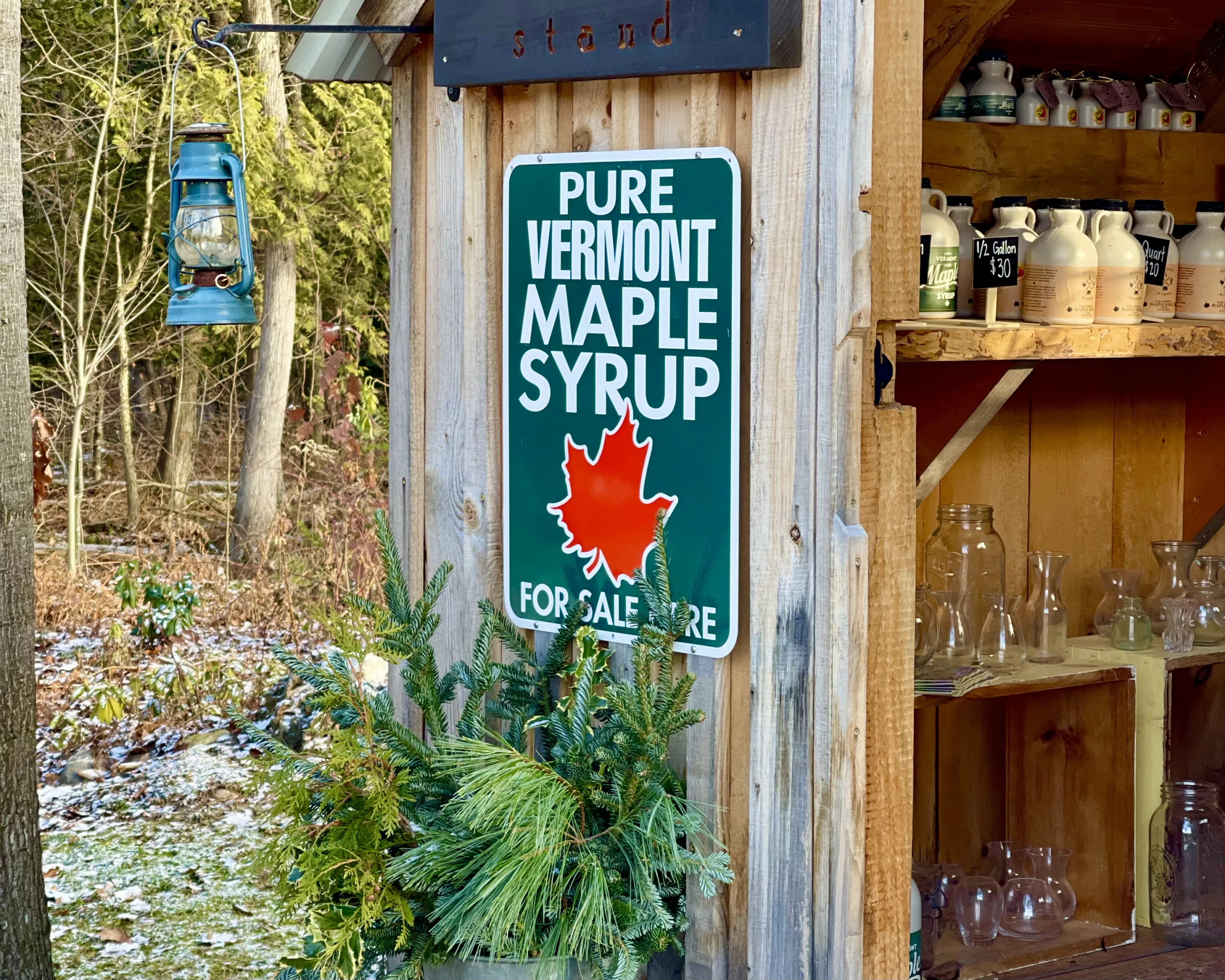

There are plenty of signs that spring is coming to Vermont, but one of my favorites has nothing to do with flowers.
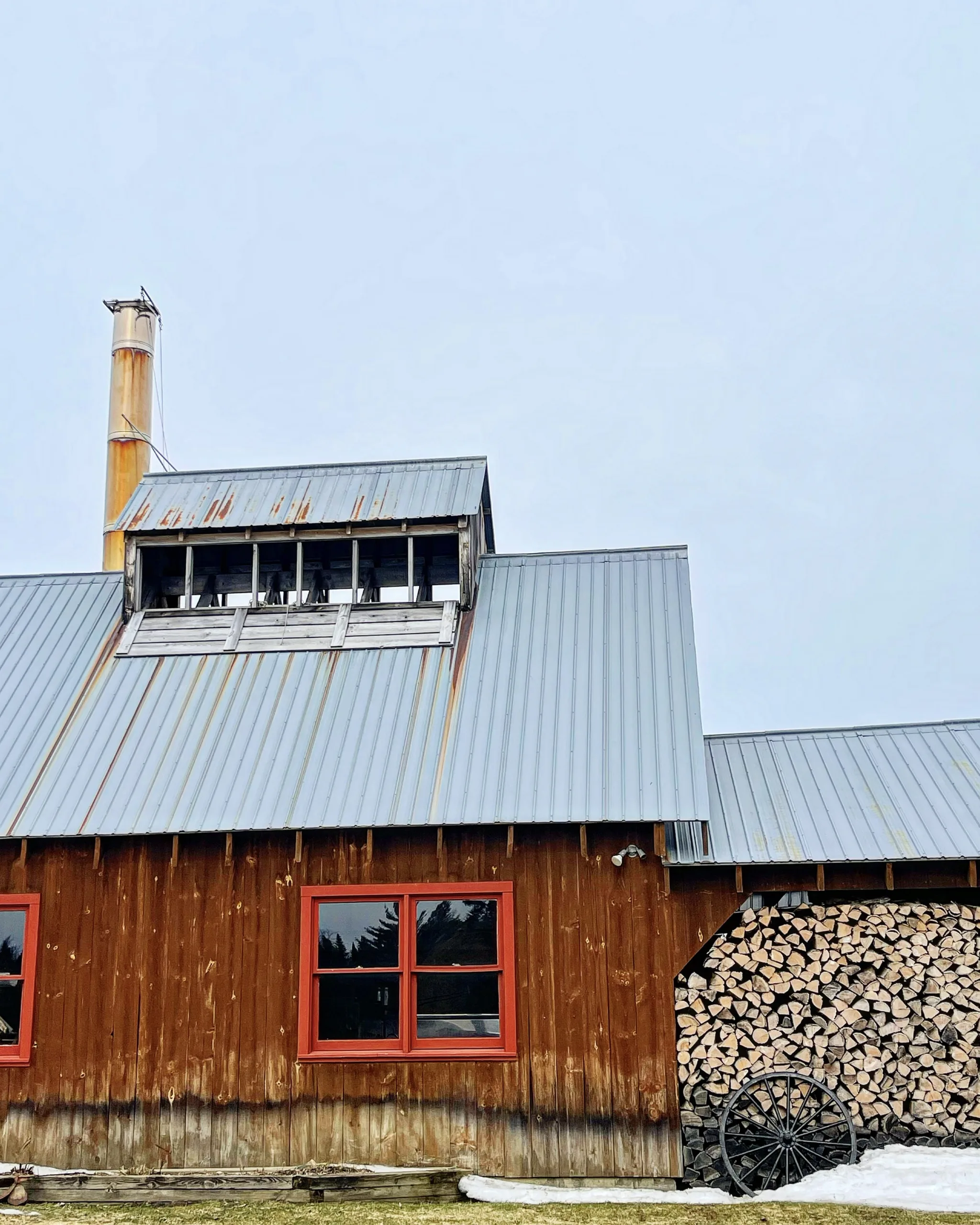
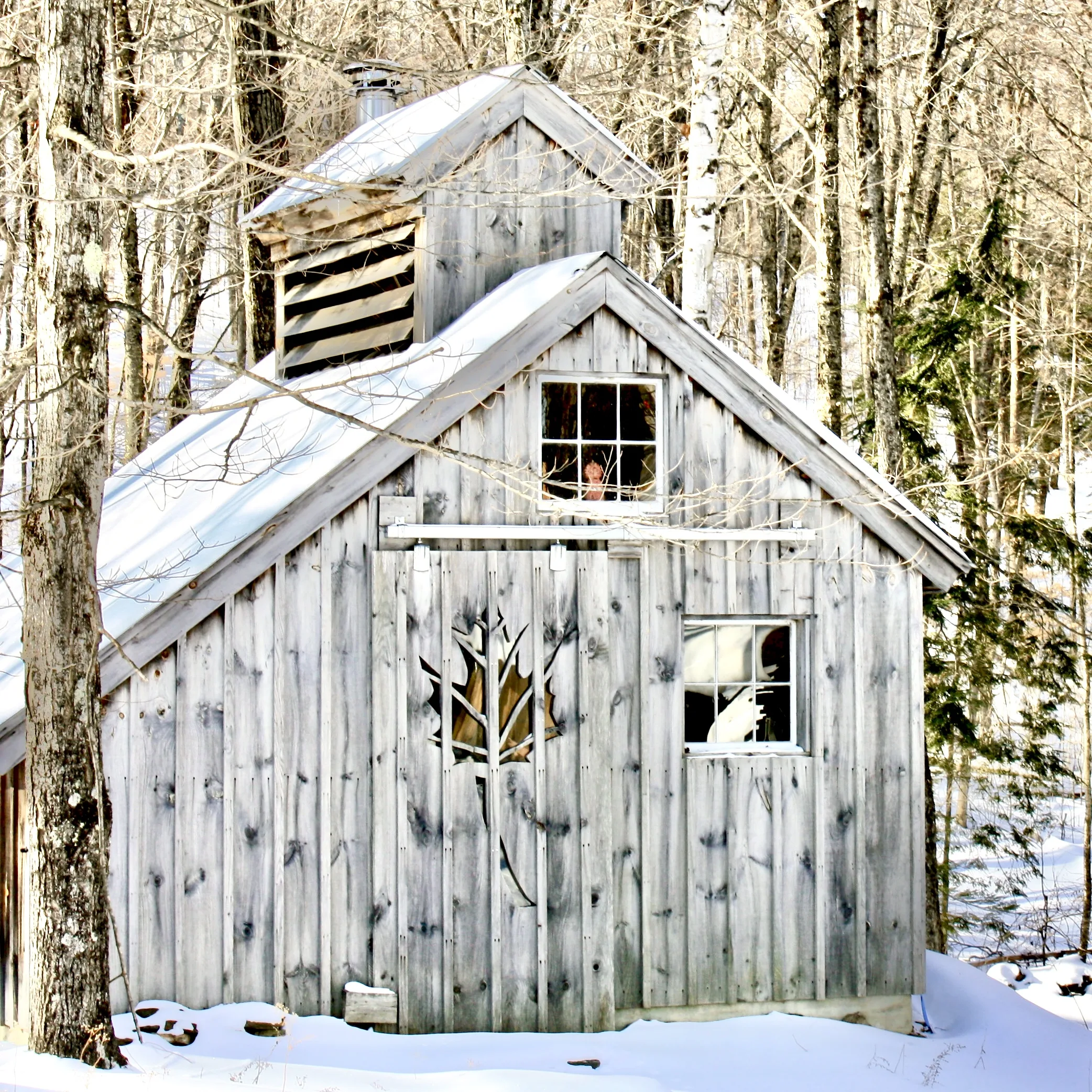
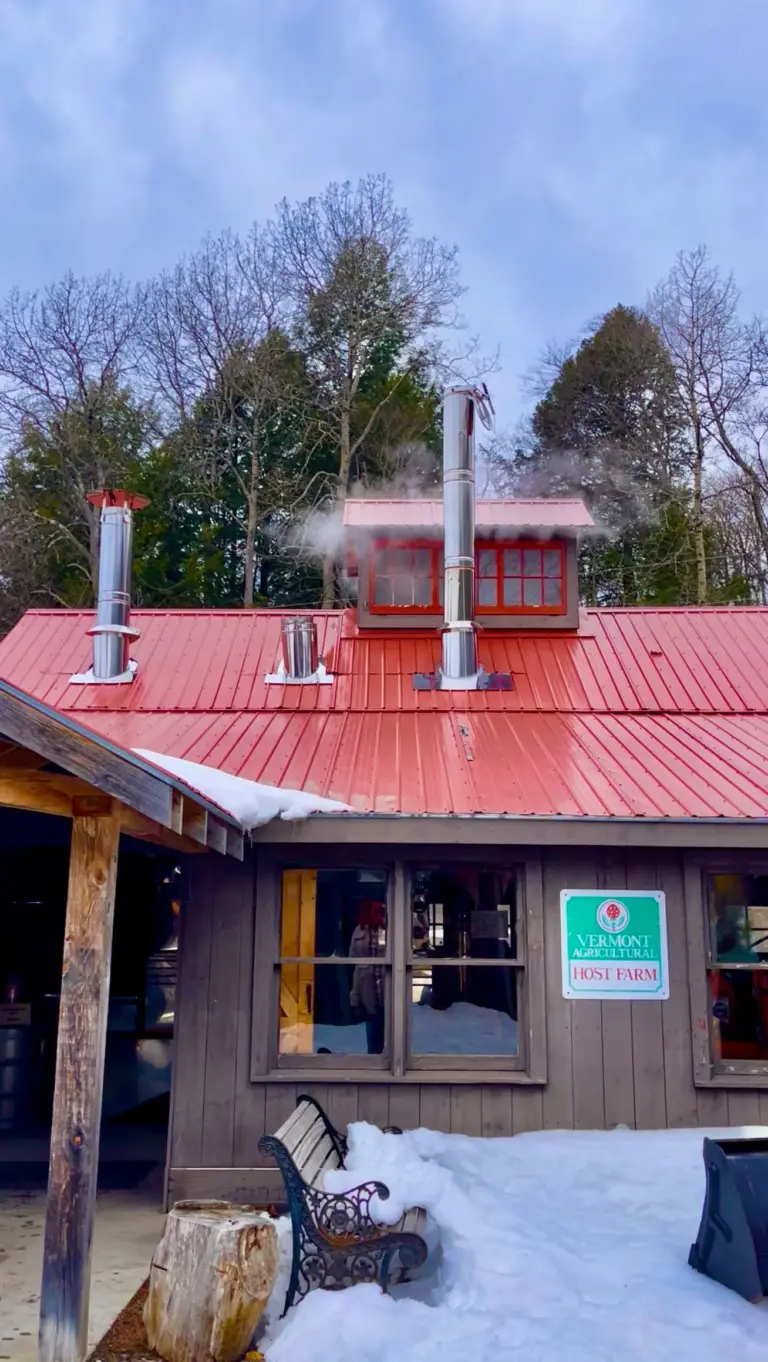
It’s steam rising from a sugarhouse.
Maple sugaring season arrives during that strange stretch of the Vermont calendar when winter hasn’t quite left but spring is clearly trying to move in. The snowbanks are shrinking, dirt roads are turning to mud and daytime temperatures finally start climbing above freezing before dropping back down again overnight.
Those temperature swings are exactly what sugarmakers are waiting for.
When conditions cooperate, sap begins moving through Vermont’s sugar maples and sugarhouses across the state come alive. Evaporators start boiling, steam pours from cupolas and thousands of gallons of sap begin their transformation into one of Vermont’s most recognizable products: pure maple syrup.
But maple sugaring season isn’t simply about buying a bottle of syrup.
This is one of the best times of year to actually experience a longstanding Vermont tradition for yourself. Pull on your mud boots, follow the steam to a sugarhouse, meet the people making the syrup and taste it while you’re standing only feet from the evaporator.
If you’ve never experienced maple season in Vermont, here’s where I’d start.

When Is Maple Sugaring Season in Vermont?
Vermont’s maple sugaring season typically falls between late February and early April, although nature ultimately decides the schedule.
Sap flow depends heavily on temperature. Sugarmakers are generally looking for nights below freezing followed by warmer days above freezing, conditions that create the pressure changes within maple trees that allow sap to flow.
That means there’s no exact start or finish date you can put on the calendar every year.
A warm stretch can get things moving early, while a return to sustained cold can temporarily slow the season. Once temperatures remain consistently warm and trees begin moving toward budding, the chemistry of the sap changes and the traditional sugaring season winds down.
For visitors, March is generally the heart of the experience.
It’s also one of Vermont’s messiest seasons, so don’t arrive expecting pristine snow-covered roads everywhere. This is mud season too, and some of the best sugarhouses are exactly where you’d expect to find them: down dirt roads that may be considerably softer than they were a month earlier.
Bring the boots.

What Happens Inside a Vermont Sugarhouse?
At its simplest, maple syrup begins with sap collected from maple trees.
But if you’ve only ever seen the finished bottle on a grocery store shelf, watching the process in person gives you an entirely different appreciation for how much work goes into it.
Sap is gathered from tapped maple trees, either through traditional buckets or increasingly through networks of tubing that carry it from the sugarbush to collection tanks. From there, many modern operations use reverse osmosis to remove some of the water before the concentrated sap reaches the evaporator.
Then comes the part you can smell before you even walk through the door.
The sap boils.
Steam fills the sugarhouse as water evaporates and the sugars become increasingly concentrated until the sap finally reaches syrup. It takes a tremendous amount of sap to make a comparatively small amount of finished maple syrup, which is one reason seeing the process firsthand makes that bottle sitting on your breakfast table seem considerably more impressive.
And if someone offers you a taste of warm syrup straight from the boil, say yes.
Try Sugar on Snow
If you’re collecting classic Vermont maple experiences, start with sugar on snow.
Hot maple syrup is poured over packed snow, where the sudden cold thickens it into a chewy, taffy-like consistency that you pick up with a fork or stick.
But the syrup is only part of the tradition.
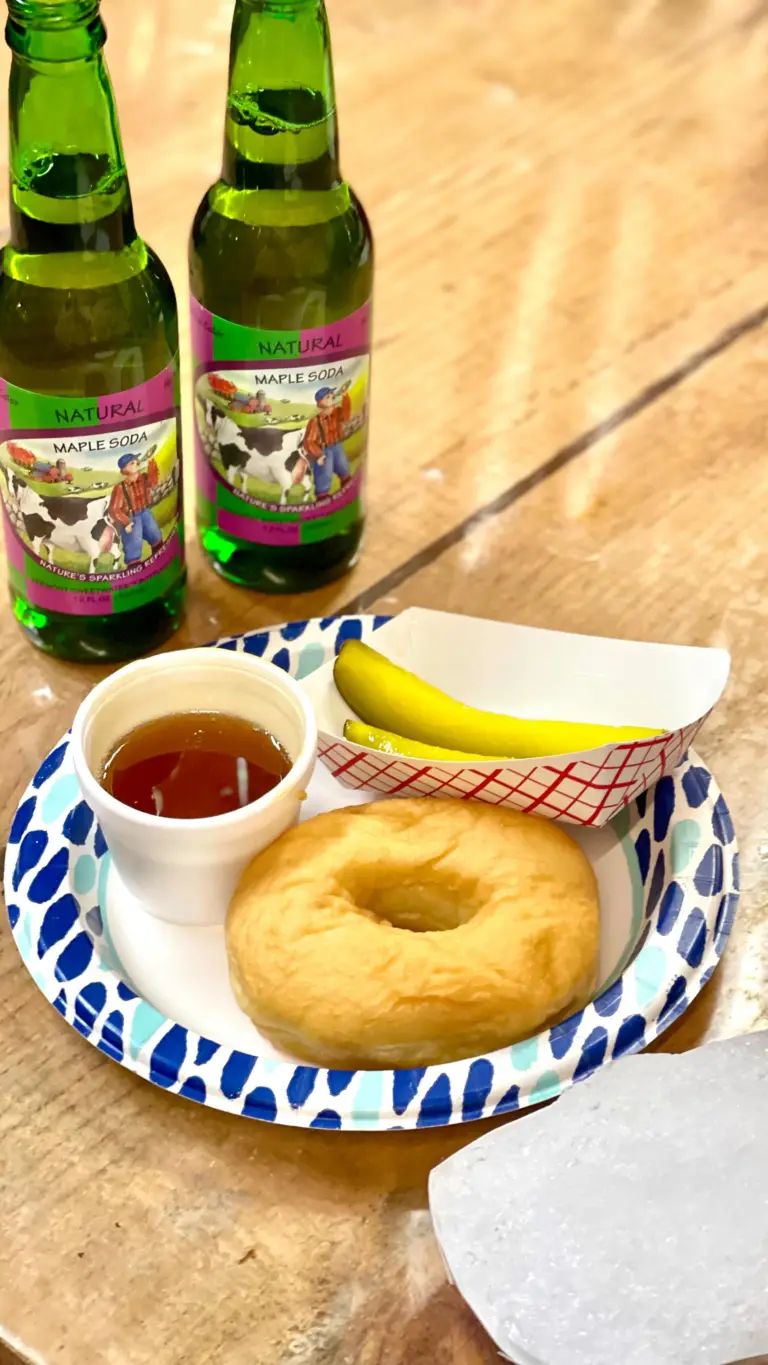
You’ll often find sugar on snow served with a sour pickle and a plain donut, creating an oddly perfect combination of sweet, salty and sour.
If that sounds strange, that’s exactly why you should try it.
There are plenty of polished maple products you can bring home from Vermont, but eating warm maple syrup off snow beside a sugarhouse is an experience that’s difficult to replicate anywhere else.
Try a Vermont Sap Dog
Here’s another maple tradition you might not encounter unless you spend time around Vermont sugarhouses.
The sap dog.
A sap dog is a hot dog cooked in maple sap, a practical sugarhouse food that developed around long days spent boiling. If you’re already standing beside an evaporator with plenty of sap around, you might as well cook lunch in it.
The result is more subtle than you might expect. You’re not eating a hot dog coated in pancake syrup. Instead, the sap can add a gentle sweetness while giving you a very Vermont answer to the question of what to eat during sugaring season.
Sap dogs aren’t available at every sugarhouse, but if you see them on the menu during a maple event, try one.
I’ve also written an entire guide to the Vermont sap dog and the sugarhouse tradition behind it, because apparently I have reached the point in my Vermont food research where hot dogs cooked in tree sap warrant their own investigation.
They do.
Taste Fresh Maple Syrup Straight From the Source
Maple syrup tastes different when you’re standing in the place where it was made.
Part of that is probably the experience itself, but there’s also something particularly good about tasting syrup that’s incredibly fresh and sometimes still warm from the process.
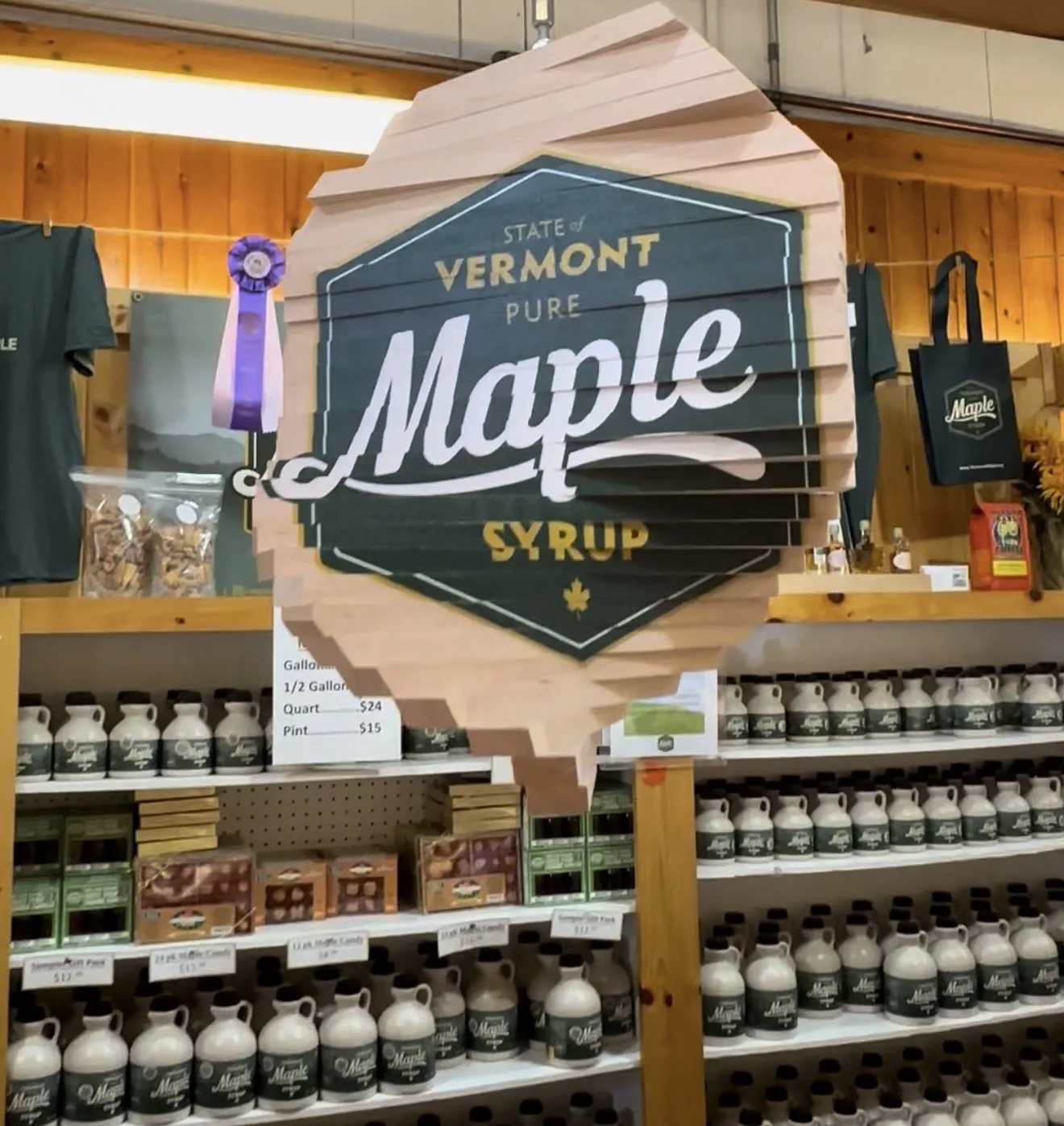
Visiting a sugarhouse also gives you the opportunity to taste different grades of syrup and learn how flavor changes throughout the season.
Some syrup is lighter and more delicate, while darker grades bring a stronger maple flavor that I love for cooking and baking.
Ask the sugarmaker what they prefer.
One of the best parts about visiting a working Vermont sugarhouse is getting beyond the bottle and talking with the people who spend weeks watching temperatures, monitoring sap flow and adjusting their lives around whatever the trees decide to do that day.

Get a Maple Creemee
Eventually, all Vermont maple roads lead to a creemee.
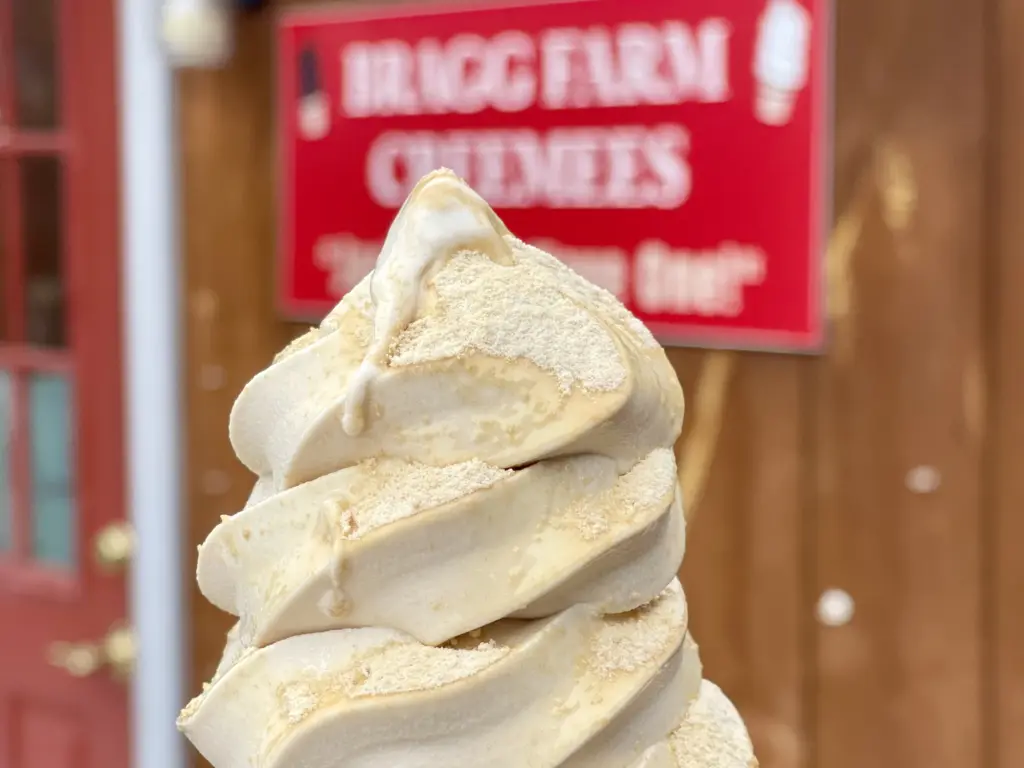
A maple creemee is Vermont’s version of soft serve made considerably better by maple, and maple season is an excellent excuse to have your first one of the year.
Some sugarhouses serve their own creemees, while others may offer them during special maple weekends or events.
You can keep it simple with straight maple or, if it’s available, try one of my favorite Vermont combinations: maple twisted with black raspberry.
And yes, it’s entirely reasonable to eat frozen dessert outside while there is still snow on the ground.
That’s spring in Vermont.
See How Many Maple Products You Can Find
Once you start looking beyond syrup, maple gets into just about everything in Vermont.
Maple candy is the obvious place to start, but then things get interesting.
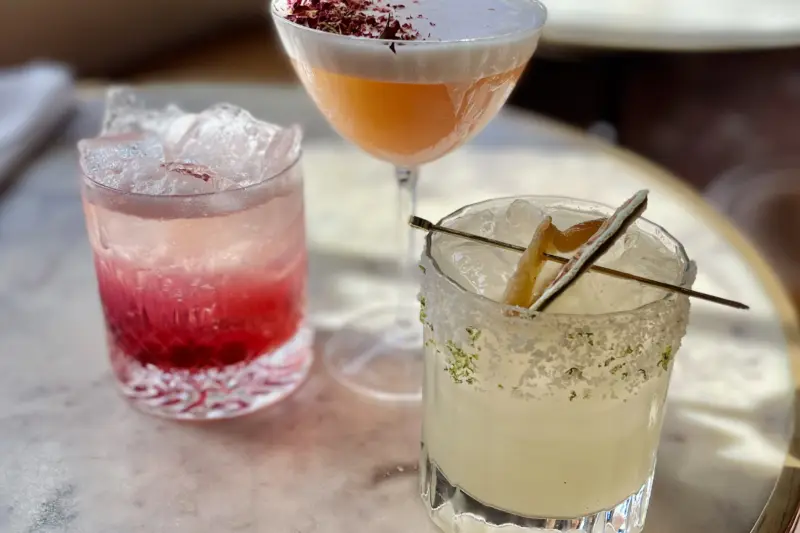
Look for maple cotton candy, popcorn, cream, mustard, barbecue sauces, baked goods, coffee, cocktails and all kinds of other products built around Vermont maple.
Every year I seem to find another thing someone has figured out how to maple.
Turn it into a challenge while you’re visiting sugarhouses: how many different maple products can you try before the season ends?
I’d still leave room in the car for a gallon of syrup.

Vermont Sugarhouses to Visit During Maple Season
There are sugarhouses across Vermont, and part of the fun is finding a smaller operation close to wherever you’re staying. Some farms welcome visitors regularly, while others open primarily for special events, weekends or when they’re actively boiling, so always check hours and visitor information before making a long drive.
A few places to put on your maple-season list include Morse Farm Maple Sugarworks in East Montpelier, where generations of the Morse family have been involved in sugaring; Sugarbush Farm in Woodstock, a working farm where maple syrup shares the spotlight with Vermont cheese; and Nebraska Knoll Sugar Farm, a family-run operation near Stowe where you can learn more about the sugaring process.
You can also visit Bragg Farm Sugar House near Montpelier, another longstanding Vermont maple operation, or head toward the Burlington area for Palmer Lane Maple in Shelburne.
But don’t limit yourself to the biggest names.
If you’re driving a Vermont back road during sugaring season and spot steam pouring from a sugarhouse along with a sign welcoming visitors, you may have found one of the best stops of the day.


Plan Around Vermont Maple Open House Weekend
If you want to experience as much Vermont maple as possible in one weekend, Vermont Maple Open House Weekend is the time to do it.
For 2026, the statewide celebration is scheduled for March 21–22.
Sugarhouses around Vermont participate with open houses, tours, demonstrations, tastings and maple products, giving visitors an opportunity to see operations that may not otherwise maintain regular public hours.
Each sugarhouse does things a little differently. You might find sugar on snow at one stop, live music or family activities at another and a sugarmaker explaining the evaporator at the next.
That’s why I wouldn’t necessarily pick one.
Map out several sugarhouses in the same part of the state and make a day of it.
What to Know Before Visiting a Vermont Sugarhouse
Maple season and mud season happen at essentially the same time, which is information you should take seriously when choosing footwear.
Wear boots you don’t care about getting dirty, and be prepared for a mixture of snow, ice, water and mud depending on the day.
I’d also check each sugarhouse’s current schedule before leaving. Sugaring depends on weather, and smaller operations aren’t necessarily open to visitors every day simply because it’s March. Weekends tend to give you more opportunities for tours, demonstrations and tastings, particularly during organized maple events.
If you’re visiting with kids, maple season is one of my favorite ways to show them where food actually comes from. Seeing sap collected from a tree and then watching it boil into something they recognize makes the process far more tangible than simply explaining it.
And ask questions.
Vermont sugarmakers know their trees, their land and their craft extraordinarily well. If someone has time to talk, you’ll probably learn something you never knew about maple.
Why Maple Season Is One of My Favorite Times in Vermont
People don’t necessarily plan Vermont vacations around late March.
The ski conditions can be unpredictable. The snow isn’t always pretty anymore. Hiking trails are heading into mud-season closures, and those picturesque dirt roads may be living up to the word dirt considerably more than you’d like.
But that’s also why I love maple season.
It isn’t Vermont polished for peak tourist season. It’s a working season tied directly to the landscape and the weather, and you get to watch one of the state’s oldest agricultural traditions happening in real time.
You can stand inside a steamy sugarhouse while snow still covers the ground outside, taste syrup that was sap only hours earlier, eat sugar off a pile of snow and then drive home with muddy boots and a gallon jug rolling around in the back of the car.
That’s a pretty good Vermont spring day.
So when the days start warming and the nights stay cold, watch for steam rising above the trees. Maple sugaring season is here.

The places in this guide, on the map
-
Directions to Morse Farm Maple Sugarworks (opens in a new tab)
Farm or farm stand · Montpelier, VT
Stop in for the maple experience even if you’re not specifically looking for a creemee.
-
Directions to Sugarbush Farm (opens in a new tab)
Farm or farm stand · Woodstock, VT
A five-generation farm, don't miss their maple syrups, of course, but also their waxed cheeses (with samples!) to go.
-
Directions to Bragg Farm Sugarhouse (opens in a new tab)
Farm or farm stand · East Montpelier, VT
The maple samples are a must - and the maple creemees sundaes during sap season are the perfect adventure fuel.






Talk with locals
Comments
Be the first to chime in
Been here? Your tip could save the next visitor a wrong turn.