

Most people walk into the St. Johnsbury Athenaeum Local favorite: St. Johnsbury Athenaeum expecting to find books. And there are plenty of those, tucked into floor-to-ceiling shelves throughout one of Vermont’s most beautiful historic libraries. But look a little closer while you’re exploring and you’ll find another collection that’s meant to be borrowed, taken home and, ideally, returned in an entirely different form.
Seeds.
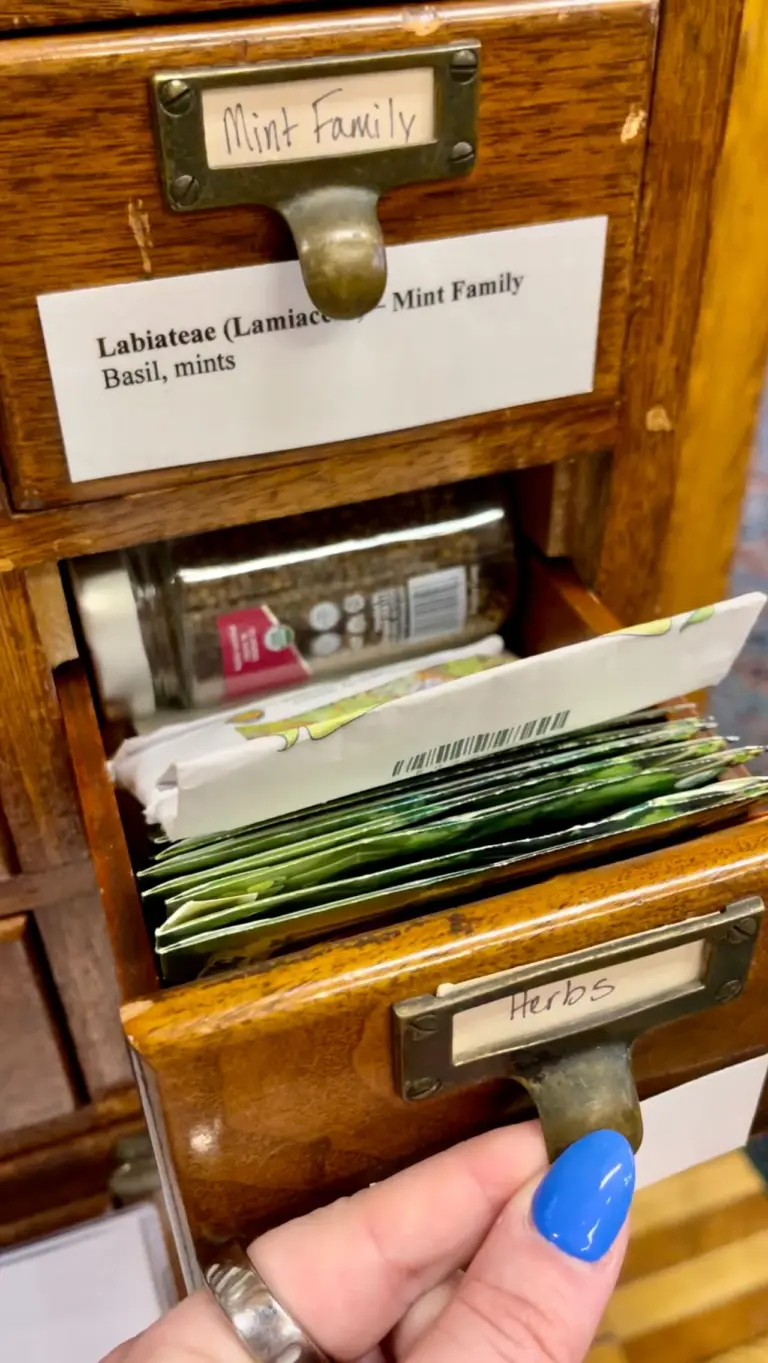
The St. Johnsbury Seed Library is a small community project inside the Athenaeum where visitors can find free seeds for vegetables, herbs and flowers, take what they’d like to grow and contribute seeds of their own to help keep the collection going.
It’s a wonderfully simple idea: take some seeds, plant them, grow something and, if you’re able, save seeds at the end of the season to share with someone else.
And you don’t need to be an experienced gardener or even a St. Johnsbury Athenaeum library member to participate.

How the St. Johnsbury Seed Library Works
The St. Johnsbury Seed Library operates much like the book library surrounding it, except there’s no due date and you’re not expected to return the same thing you borrowed.
Visitors can browse the available seed packets, choose varieties they’d like to grow and take them home for free. To participate, sign the seed library’s membership notebook and select the seeds you need for your garden.
You don’t need a St. Johnsbury Athenaeum library card to participate, making the collection accessible to residents from the surrounding community as well as visitors who may happen upon it while exploring the Athenaeum.
The system largely runs on sharing. If you have saved seeds of your own, you’re encouraged to contribute them to the collection, particularly open-pollinated and heirloom varieties that can reliably be saved and grown again. Organic seeds are also welcomed.
There’s no requirement that you bring seeds in order to take seeds out.
That’s important, because the goal isn’t to create a strict exchange where everyone must contribute exactly what they receive. It’s to make seeds and gardening more accessible while encouraging people who are able to save and share seeds to keep the collection growing.
Why Have a Seed Library?
A packet of seeds may seem like a small thing, but seed libraries can play an interesting role in a community.
They lower one of the barriers to trying a garden for the first time, particularly for someone who may only need a handful of seeds rather than an entire commercial packet. They also create opportunities for experienced gardeners to share varieties that have performed well locally and encourage more people to learn how seeds are collected, dried and saved from one growing season to the next.
Over time, locally saved seeds can also become particularly valuable. Gardeners who repeatedly save seeds from plants that thrive in their specific growing conditions may gradually select for traits that work well in their local climate.
In Vermont, where our growing season is relatively short and conditions can vary considerably depending on elevation and location, that local knowledge matters.
You might arrive at the seed library looking for tomatoes and leave thinking much more carefully about where those tomato seeds actually came from.

Seed Saving Is Part of the Experience
You don’t need to save seeds to participate in the St. Johnsbury Seed Library, but learning how to do it is part of what makes the concept so interesting.
Some plants are particularly approachable for beginners. Beans, peas, lettuce and tomatoes can all be good places to start, although each requires a slightly different process for collecting and preparing seeds for storage.
The type of seed matters, too. Open-pollinated plants generally produce seeds that can grow into plants with characteristics similar to their parents, provided they haven’t cross-pollinated with another variety. Heirloom varieties fall within that broader open-pollinated category and are often especially popular among seed savers because they’ve been passed down through generations.
Hybrid seeds are different. Seeds saved from a hybrid plant may not reproduce the same characteristics the following year, which is one reason seed libraries often focus on open-pollinated varieties.
If you’re completely new to seed saving, don’t let that stop you from taking something home. Grow your first garden first.
You can become a seed saver later.
The Setting Makes This Seed Library Even Better
There are community seed libraries in plenty of places, but this one happens to live inside one of my favorite buildings in Vermont.
The St. Johnsbury Athenaeum opened as a public library in 1871, a gift from local businessman and philanthropist Horace Fairbanks to the people of St. Johnsbury. Two years later, Fairbanks added an art gallery to display his collection of American and European paintings, creating the unusual combination of public library and art museum that remains today.
The building itself is worth visiting even if you’ve never planted a seed in your life.
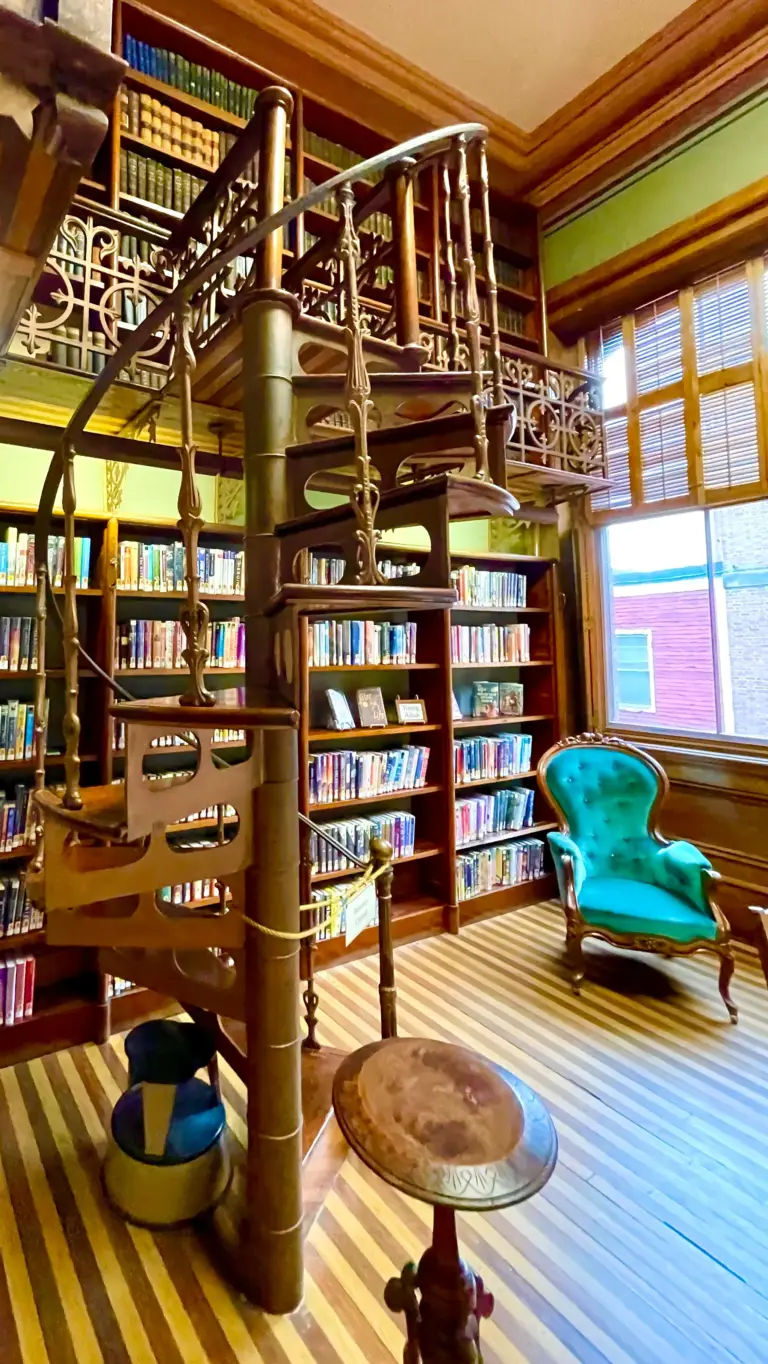
Walk through the historic reading rooms and you’ll find original architectural details, towering bookshelves, beautiful woodwork and spiral staircases. Continue into the art gallery and you’re suddenly surrounded by 19th-century paintings in gilded frames, including Albert Bierstadt’s enormous The Domes of the Yosemite.
The Athenaeum was designated a National Historic Landmark in 1996, recognizing the significance of the building, its historic library collection and its remarkably preserved art gallery.
So yes, come for some tomato seeds. But please don’t leave without exploring the rest of the building.
A Different Kind of Vermont Souvenir
I love the idea that someone traveling through the Northeast Kingdom could discover the seed library while visiting the Athenaeum and bring a few seeds home to grow.
There are plenty of Vermont souvenirs you can buy, but there’s something particularly fitting about taking home a seed that might eventually become a tomato plant, a row of beans, an herb growing outside your kitchen or flowers that return to your garden year after year.
Just remember that this isn’t a free-for-all meant for stocking an entire garden. Take what you realistically plan to grow and leave plenty for the next person.
If you live locally and have successful plants at the end of the season, consider learning how to properly save, label and contribute some seeds back.
That’s when the idea really comes full circle.
Make the Seed Library Part of a Day in St. Johnsbury
The seed library only takes a few minutes to explore, but the Athenaeum deserves considerably more time.
I’d start by wandering through the library itself, visit the historic art gallery and then continue exploring downtown St. Johnsbury. The Fairbanks Museum & Planetarium is another fascinating local institution connected to the Fairbanks family, while the surrounding Main Street Historic District gives you a glimpse of the architecture that developed during the town’s 19th-century prosperity.
You can also head to Dog Mountain, explore local shops and galleries or make St. Johnsbury the starting point for a larger Northeast Kingdom trip toward Burke, Kingdom Trails and Lake Willoughby.
This is exactly the kind of small discovery I love adding to a Vermont itinerary. You don’t need to rearrange your entire day around it, but once you know it’s there, you’ll probably want to look for it.
What to Know Before Visiting the St. Johnsbury Seed Library
The St. Johnsbury Seed Library is located inside the St. Johnsbury Athenaeum at 1171 Main Street in downtown St. Johnsbury, Vermont.
Participation in the seed library is free, and you don’t need to be an Athenaeum library cardholder to take part. Browse what’s available, sign the membership notebook and choose seeds you realistically plan to use.
Because the collection depends in part on donations, exactly what you’ll find can change throughout the year. That unpredictability is part of the fun. You may come looking for one thing and discover a vegetable, flower or heirloom variety you’ve never grown before.
If you have seeds to contribute, check the Athenaeum’s current guidelines before donating so they’re appropriately saved, labeled and suitable for sharing.







Talk with locals
Comments
Be the first to chime in
Been here? Your tip could save the next visitor a wrong turn.