
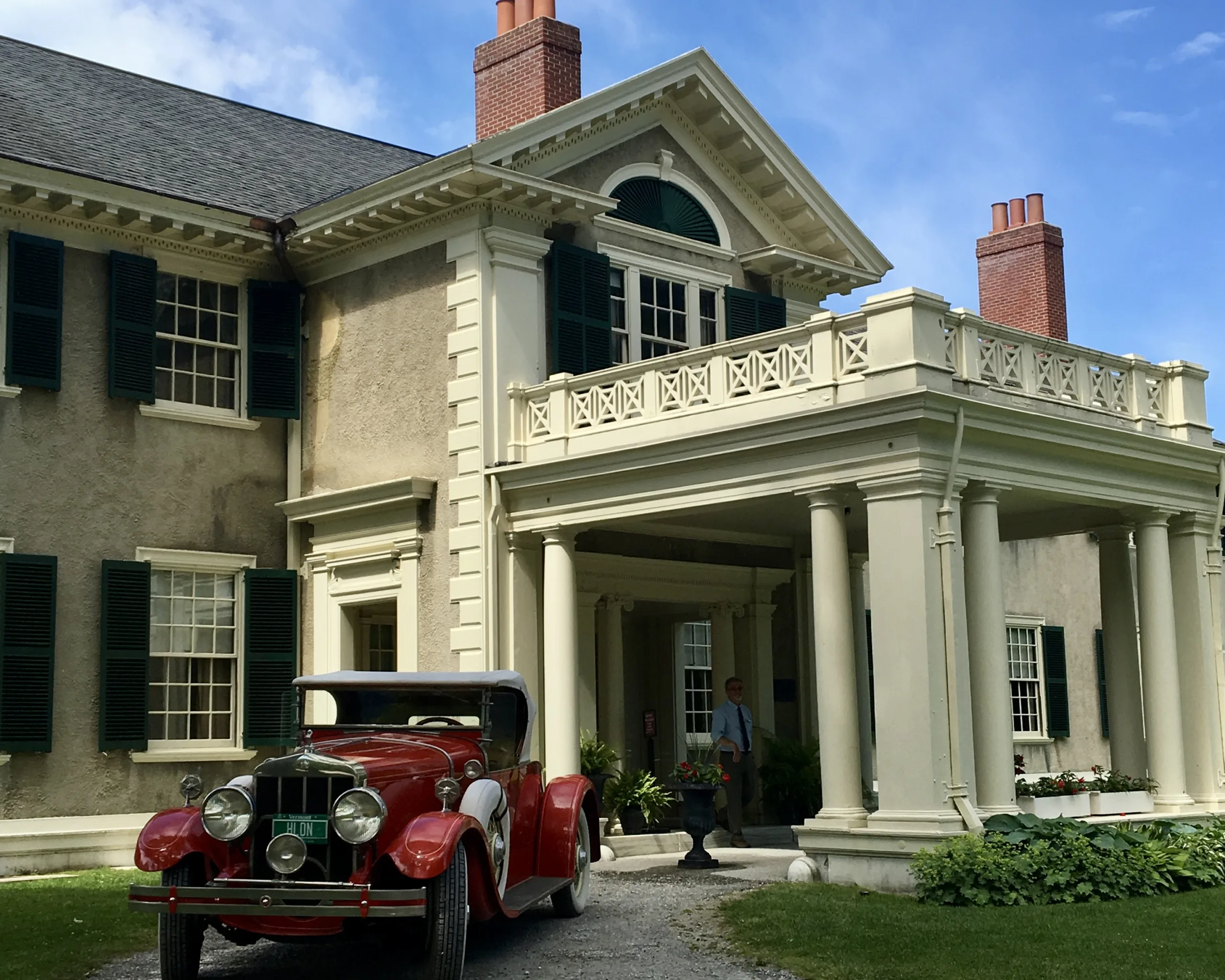

You might visit Hildene in Manchester, Vermont, expecting Abraham Lincoln history, beautiful gardens and sweeping mountain views. What you might not expect is to walk aboard a restored Pullman railcar and suddenly find yourself surrounded by the details of early 20th-century luxury train travel.
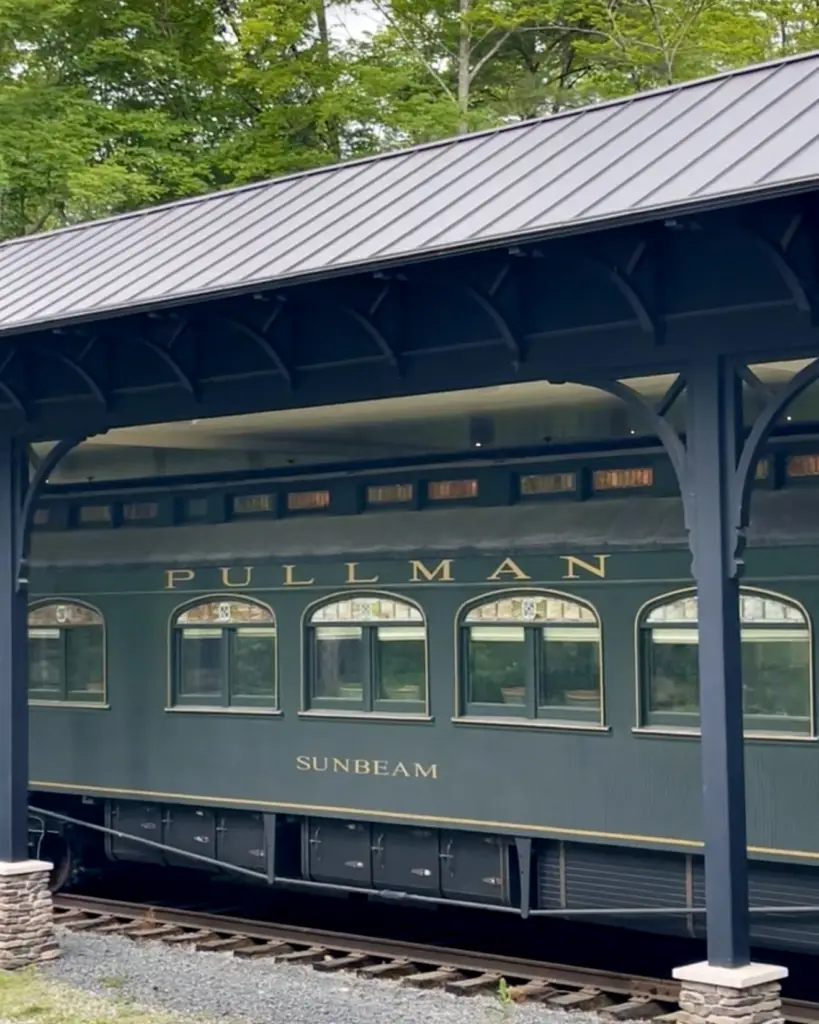
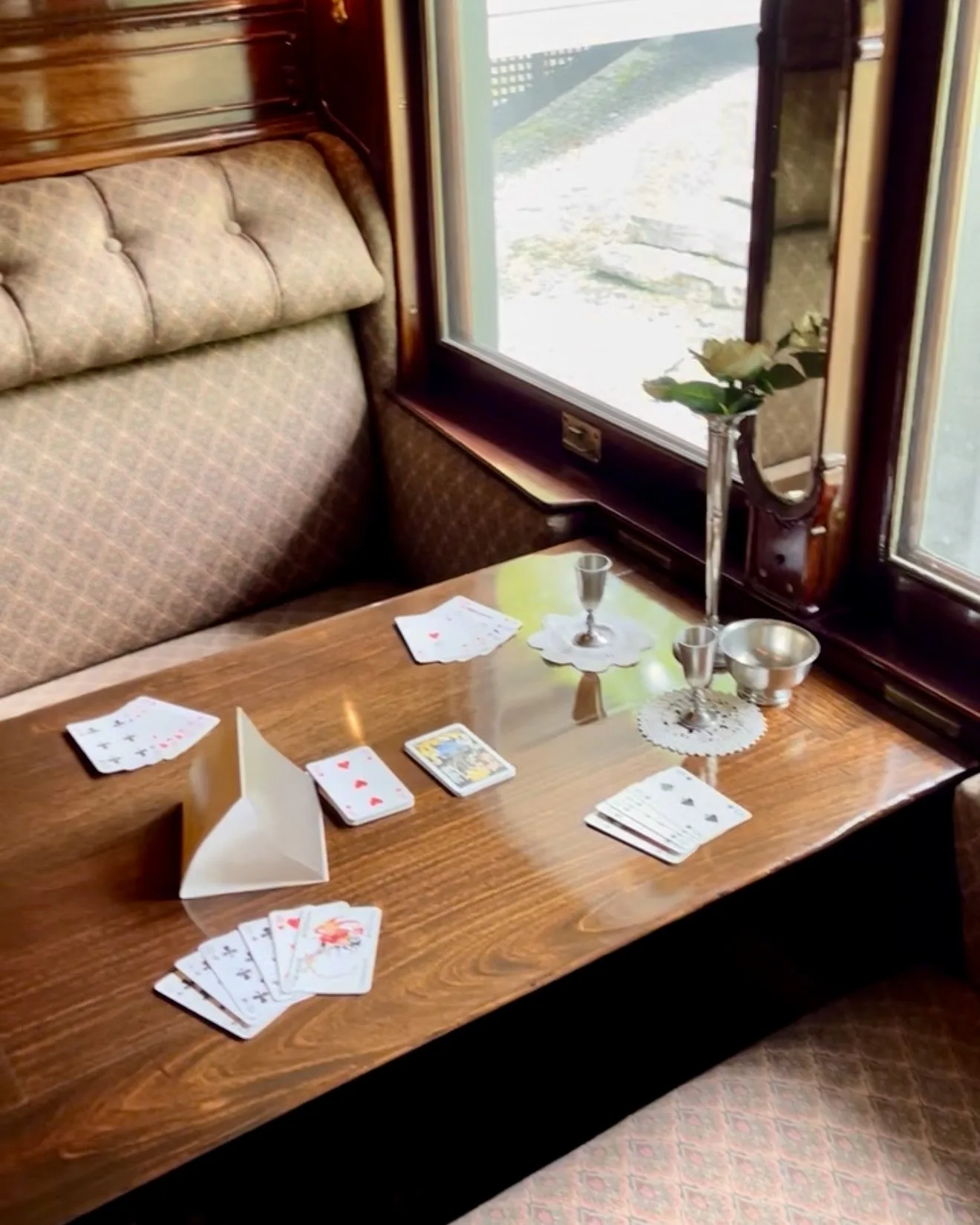
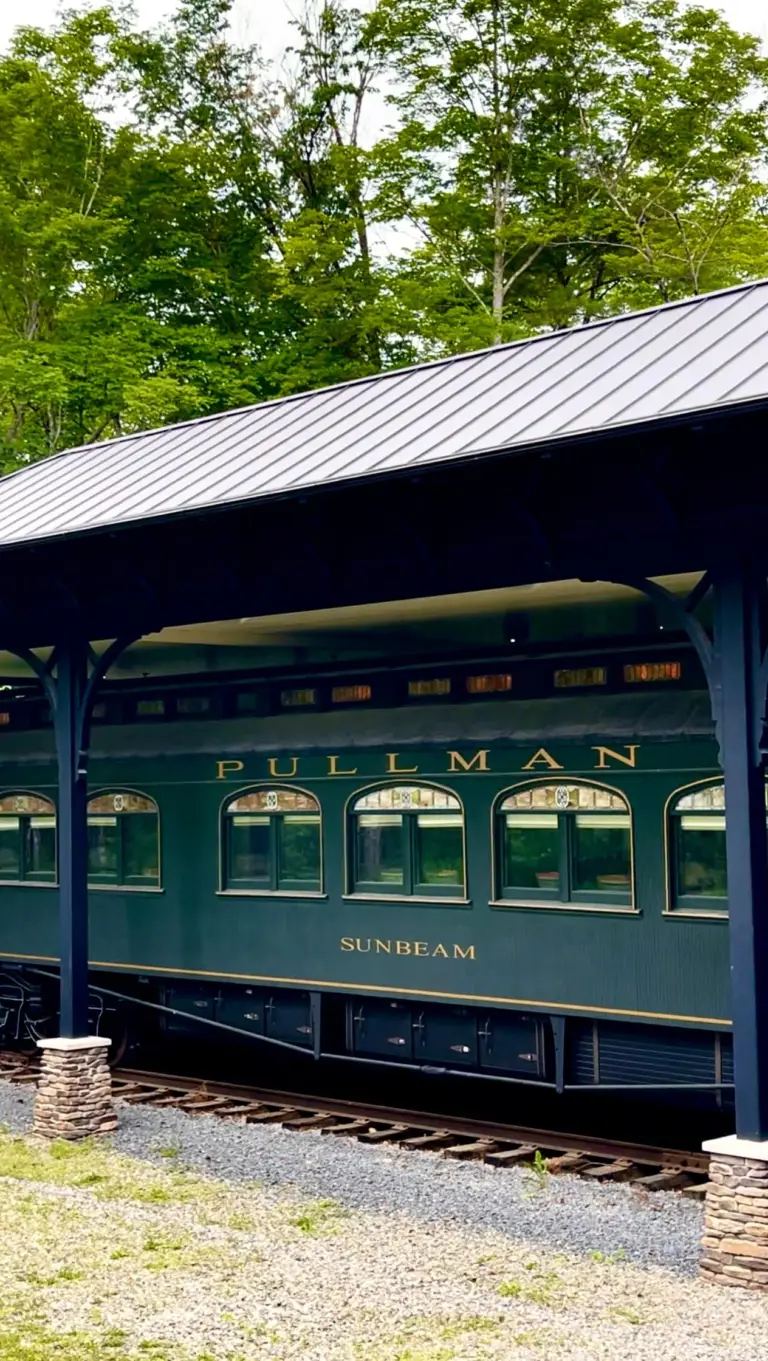
The Pullman Car Sunbeam is one of my favorite unexpected things to see at Hildene. The 72-foot wooden railcar was configured as a private car for the Pullman Company’s charter service in 1903, when Abraham Lincoln’s son, Robert Todd Lincoln, was president of the company. Today, you can walk through the restored car yourself, taking in the woodwork, furnishings and spaces that once represented an exceptionally luxurious way to cross the country.
But Sunbeam tells a much bigger story than how wealthy Americans traveled during the Gilded Age. Hildene uses the railcar to explore the history of the Black men who worked as Pullman porters, the difficult conditions they faced and the labor movement that ultimately became intertwined with the broader fight for civil rights in America.
That context makes Sunbeam much more than a beautiful old train car, and it’s one of the reasons I’d give yourself plenty of time to experience it when you visit Hildene.
What Is the Pullman Car Sunbeam?
Sunbeam was configured in 1903 as a private railcar for the Pullman Company’s charter service, placing it directly within the period when Robert Todd Lincoln was serving as president of Pullman. He took over the position after company founder George Pullman died in 1897, remained president until 1911 and subsequently served as chairman of the board and then a board member until his death in 1926.
That connection is why a Pullman car makes so much sense at Hildene.
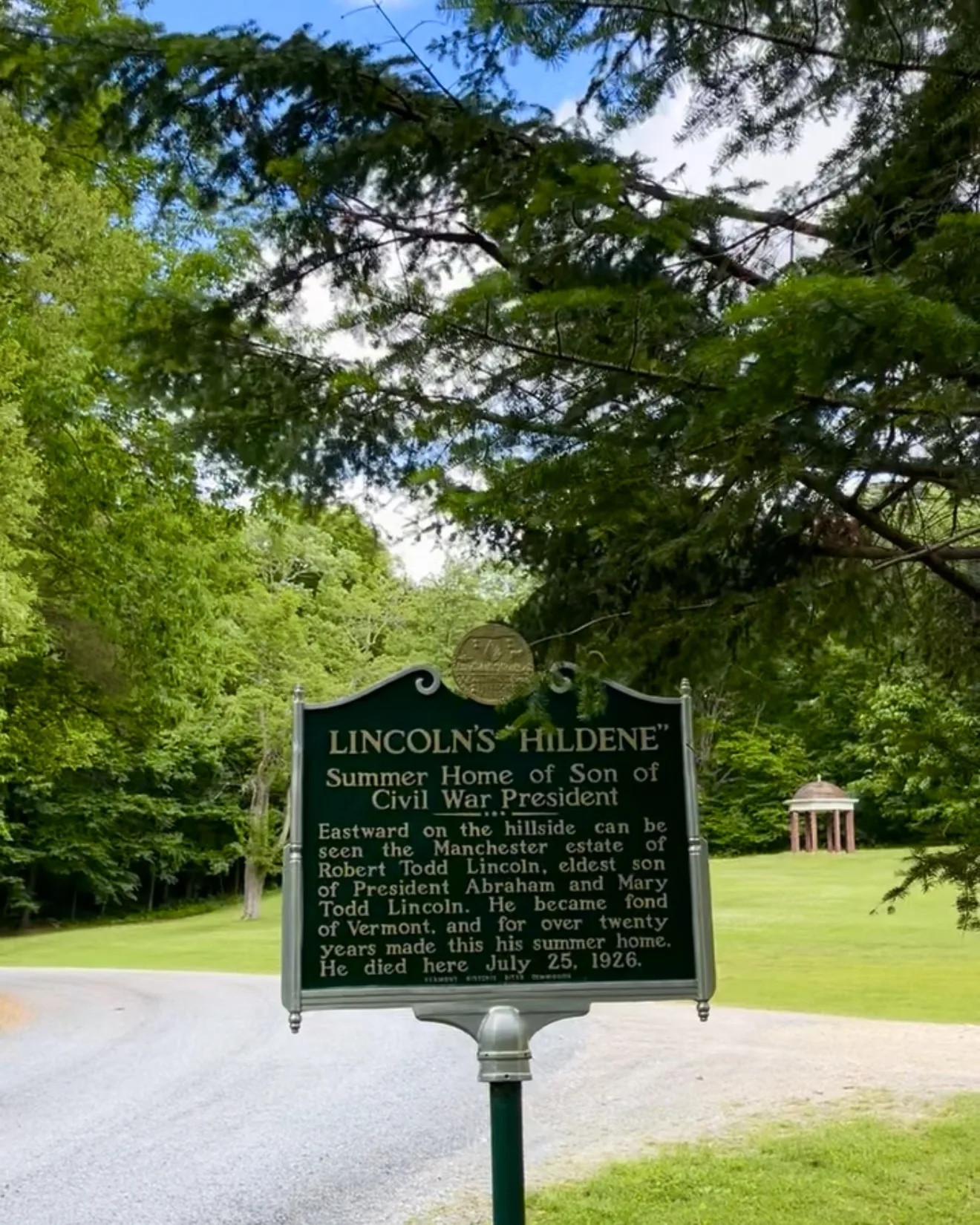
Robert and his wife, Mary, built Hildene as their summer home in Manchester beginning in 1903, the same year Sunbeam was configured for Pullman’s charter service. While visitors naturally associate the property with Robert’s father, Abraham Lincoln, Hildene also tells the story of Robert’s own life, career and legacy.
And the Pullman Company was a major part of that story.
During Robert’s presidency, Pullman was an enormous force in American rail travel and manufacturing. The company became famous for sleeping cars that transformed long-distance rail travel, offering passengers accommodations and service that could include private sleeping spaces, dining and elaborate interiors.
Sunbeam gives you the rare opportunity to physically enter that world rather than simply looking at photographs of it.
What It’s Like to Explore Sunbeam
There’s something different about experiencing history when you’re allowed to walk directly into it.
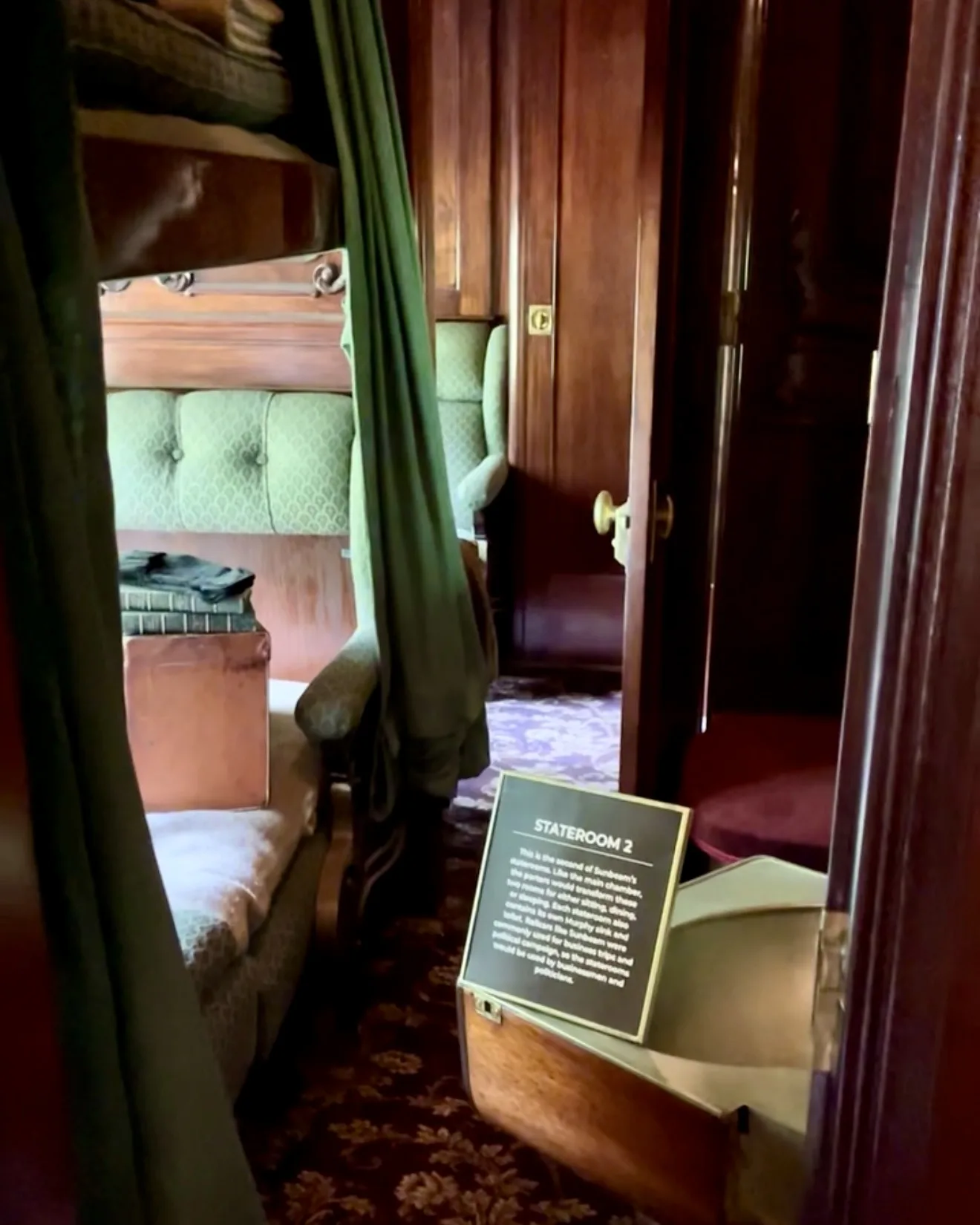
Sunbeam stretches 72 feet, and as you move through the car, you begin to understand how dramatically rail travel could differ depending on who you were and what you could afford. The restored private car captures the polished finishes, detailed woodwork and carefully appointed spaces associated with Pullman’s luxury service.
Hildene spent two years searching nationwide for an appropriate car, specifically looking for one that would have been produced during Robert Lincoln’s time leading Pullman. Once Sunbeam was selected, it underwent two years of meticulous restoration before arriving at Hildene in June 2011. Hildene says the car had been less modified from its 1903 configuration than the other candidates it considered.
That’s what makes walking through it so interesting. You’re not looking at a newly constructed interpretation of a Pullman car. You’re entering a surviving railcar restored to help visitors understand what this form of travel actually looked and felt like more than a century ago.
But don’t stop at the beautiful details. The other story told here is considerably more complicated.
The Pullman Porters Behind the Luxury
The luxury associated with Pullman travel depended heavily on the work of Pullman porters, Black men who provided service to passengers aboard the company’s sleeping cars.
During Robert Lincoln’s tenure, Pullman became the country’s largest employer of African Americans. Porters made up a substantial portion of the Pullman workforce and became essential to the company’s reputation for exceptional passenger service.
Yet the jobs came with significant inequities. Black railroad workers were largely restricted to service positions while many other railroad occupations and unions excluded them. Porters faced low wages and demanding working conditions even as the company profited from the service they provided.
That tension between opportunity and exploitation is an important part of understanding Pullman’s history, and Hildene doesn’t separate it from the beauty of the restored railcar.
Its Many Voices exhibit uses Sunbeam to explore the Pullman porters’ journey and the complicated relationship between the company and the people whose labor helped make its luxury service possible.
How Pullman Porters Helped Shape the Labor and Civil Rights Movements
The story continues well beyond the era represented by Sunbeam.
In 1925, Pullman porters organized the Brotherhood of Sleeping Car Porters under the leadership of A. Philip Randolph. After years of opposition and organizing, the Brotherhood secured a collective bargaining agreement with the Pullman Company in 1937, resulting in higher salaries, greater job security and stronger protections for workers. The National Park Service describes it as the first major labor agreement between an African American union and a corporation.
The Brotherhood’s influence extended beyond working conditions on trains. It became part of the broader civil rights movement, while Randolph emerged as an influential civil rights and labor leader who continued advocating against racial discrimination in employment and the military.
Knowing that history changes the way you experience Sunbeam.
You can admire the craftsmanship and imagine what it would have been like to travel aboard a private Pullman car, while also considering who made that experience possible and what working aboard those trains meant for the men providing the service.
That’s what makes this exhibit worth slowing down for.
Don’t Miss the Rest of Hildene
Sunbeam alone is worth seeking out, but don’t visit Hildene only for the train car.
General admission includes self-guided access to Robert and Mary Lincoln’s home, the formal gardens, Hildene Farm, the goat dairy, Sunbeam, several exhibits and approximately 12 miles of walking trails.
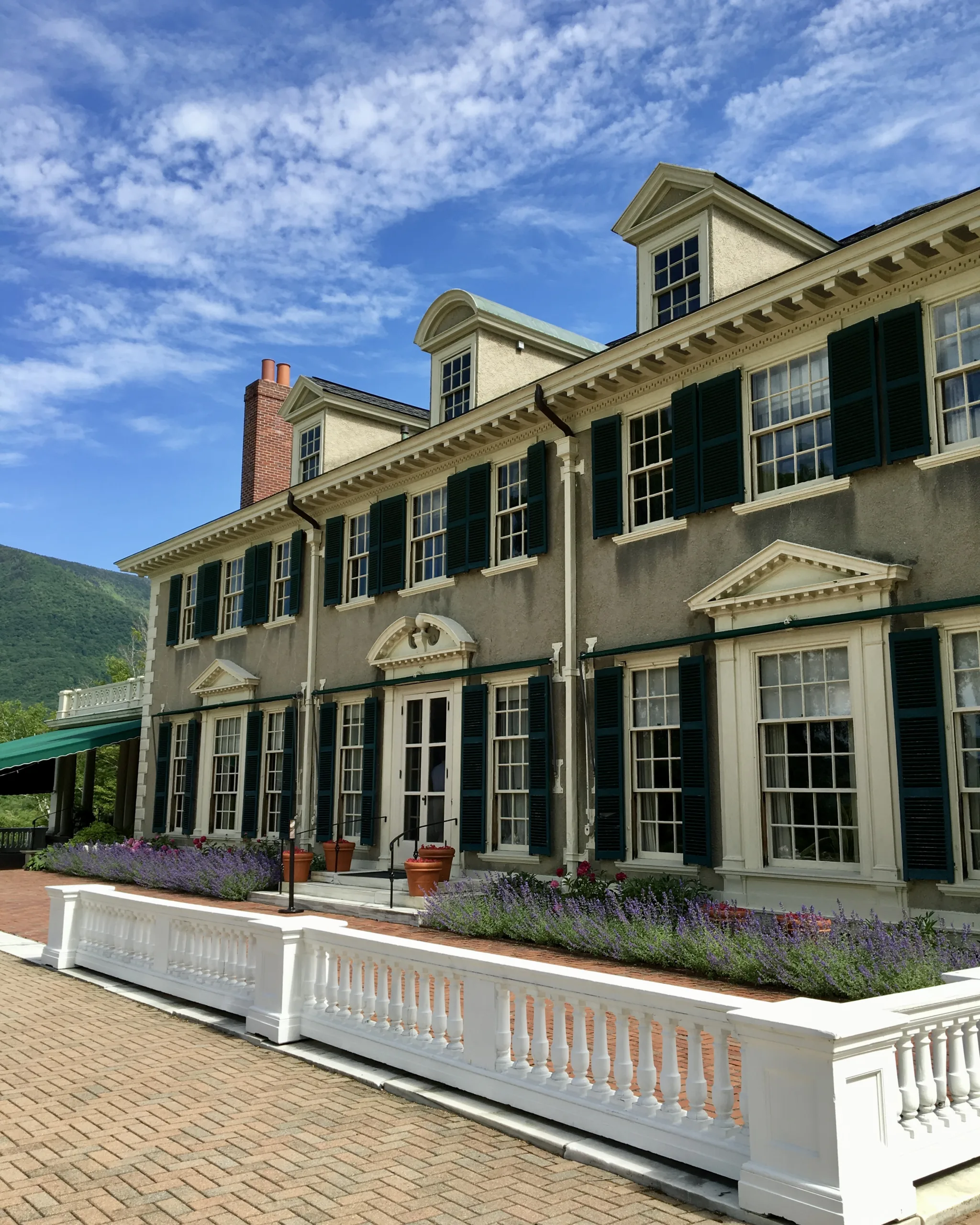
The mansion is the obvious place to begin. Robert Todd Lincoln, the only one of Abraham and Mary Todd Lincoln’s four sons to survive to adulthood, built Hildene with his wife Mary as a summer home, and the house remained in the Lincoln family for generations.
Take your time exploring the rooms and original family possessions. One of my favorite things to look for is Abraham Lincoln’s stovepipe hat, which immediately makes the connection between this quiet Manchester estate and one of the most consequential periods in American history feel considerably more tangible.
Then head outside.

Visit Hildene’s Gardens in Early Summer
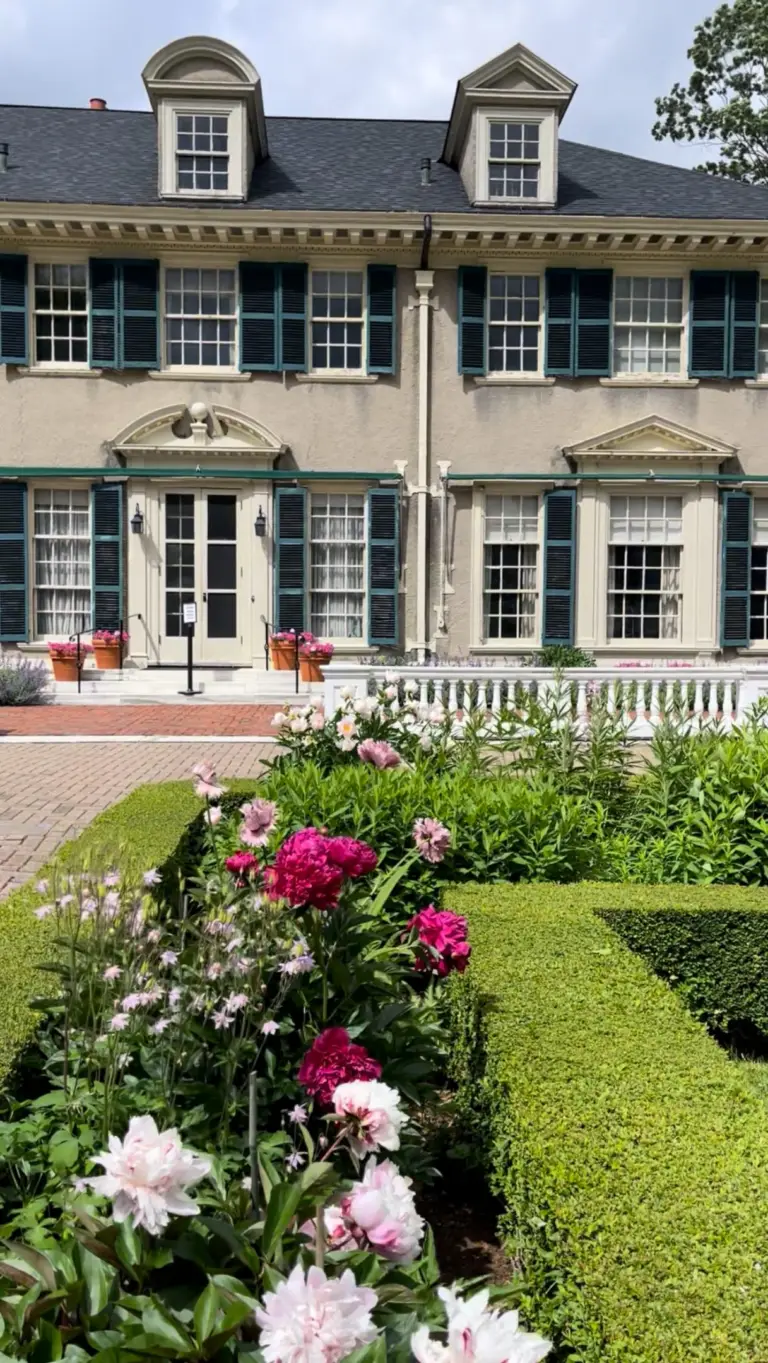
If your schedule is flexible, early June is one of my favorite times to experience Hildene because of the peonies.
The formal garden behind the mansion becomes especially beautiful as the peonies bloom, with the Green and Taconic Mountains framing the property beyond them. It’s one of those places where I’d deliberately leave more time than I think I need, particularly on a clear day when you can wander the garden and grounds without rushing to the next stop.
Summer and fall are both particularly beautiful here. Summer gives you lush gardens and long days for exploring the property, while foliage season transforms the surrounding mountains and countryside.
Hildene is open beyond those peak travel seasons, too, so don’t rule out a quieter winter or spring visit.
Walk Down to Hildene Farm and the Goat Dairy
Another reason to give Hildene several hours is that the property extends well beyond the mansion.
Hildene Farm includes a working goat dairy, and walking down to see the herd adds an entirely different experience to the visit. The farm trail passes through the property with interpretive information about the landscape and agriculture along the way.
If you’re visiting in spring, you may even time it right for baby goats.
The combination of the Lincoln family home, formal gardens, Pullman car, working farm and miles of trails is what makes Hildene feel so different from a traditional historic-house museum. There’s enough here to fill a substantial part of the day.
Bring a Picnic and Stay Awhile
This is one Vermont attraction where I wouldn’t schedule another activity immediately afterward. Bring a picnic and give yourself room to stay.
Hildene has designated picnic space, and the setting makes lingering worthwhile. After you’ve explored the mansion, walked through Sunbeam and made your way around the farm and gardens, sitting outside with lunch and taking in the surrounding mountains feels like part of the experience rather than downtime between attractions.
That’s particularly true on a beautiful summer afternoon.
Manchester has plenty more to explore once you leave, but Hildene deserves more than a quick walk through the house and back to the parking lot.
What to Know Before Visiting Hildene
Hildene is located in Manchester, Vermont, and all visitors begin at the Welcome Center before exploring the property.
General admission currently includes the Lincoln family home, formal gardens, Hildene Farm and goat dairy, Pullman Car Sunbeam and approximately 12 miles of walking trails. Current general admission is $25 for adults, $8 for ages 6 through 16 and free for children 5 and younger. Vermont residents currently receive discounted admission of $12.50 for adults, while Vermont residents age 16 and younger are admitted free with an accompanying adult and valid identification.
From Memorial Day through October 31, Hildene is currently open seven days a week from 10 a.m. to 4:30 p.m. From November 1 through the last Monday in May, it’s open Thursday through Monday from 10 a.m. to 4:30 p.m. Hours and admission can change, so check directly with Hildene before planning your visit.
Why Sunbeam Is One of Hildene’s Most Fascinating Things to See
There are plenty of reasons to visit Hildene. The mansion is beautiful, the gardens are worth wandering and the views alone make the property feel like somewhere you want to spend an afternoon.
But Sunbeam is the part I find especially fascinating because it adds another dimension to the story.
Walk aboard and you get an unusually tangible look at an era when luxury rail travel represented wealth, status and an entirely different way of moving across America. Look beyond the polished woodwork and beautiful details, though, and you encounter the stories of the Black porters whose labor powered the Pullman experience and whose eventual fight for better working conditions helped shape American labor and civil rights history.
It’s beautiful, complicated and worth understanding.
And that’s exactly what makes it one of Southern Vermont’s most unexpected historic treasures.








Talk with locals
Comments
Be the first to chime in
Been here? Your tip could save the next visitor a wrong turn.