

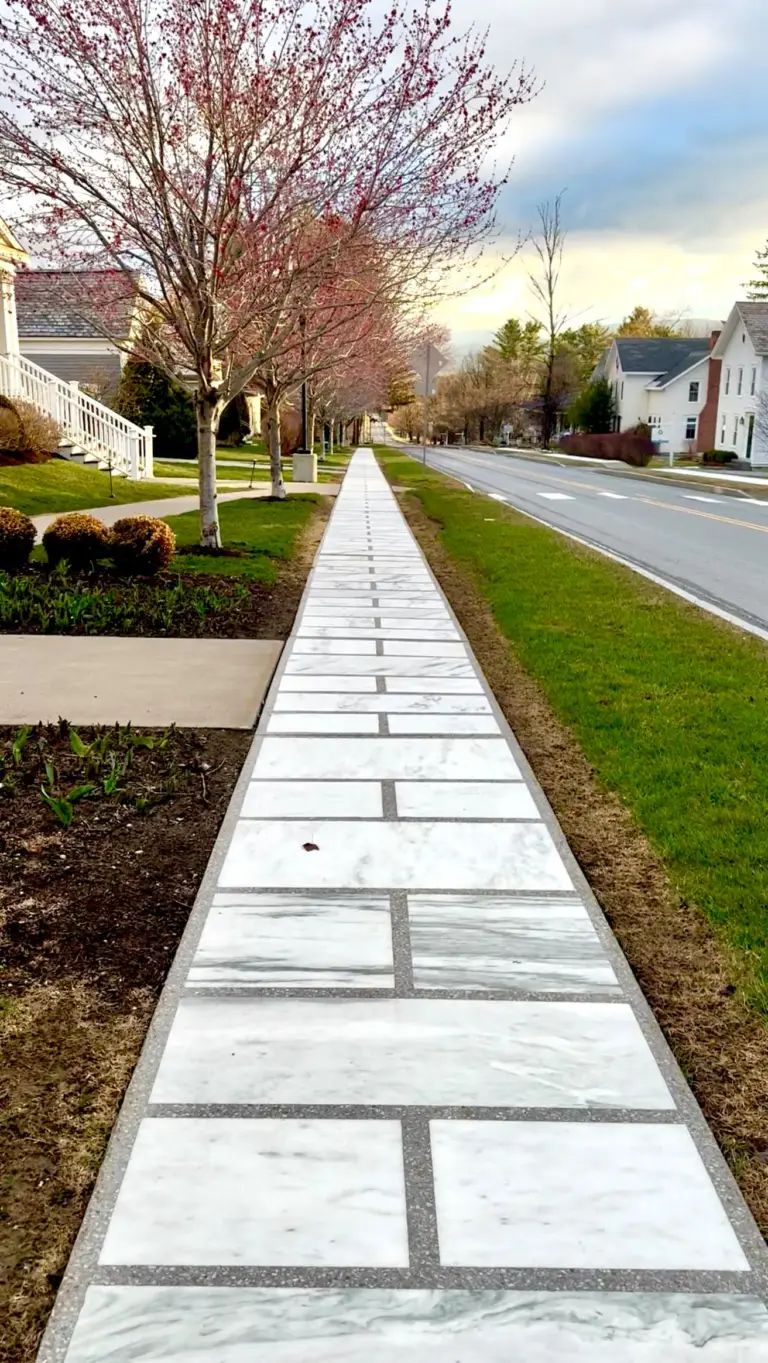
There’s a piece of Southern Vermont history hiding right beneath your feet in Manchester and Dorset. Walk through these towns and you may notice that some of the sidewalks look a little different from the concrete you’re used to seeing. They’re smooth, pale, sometimes slightly uneven and particularly noticeable when the sunlight hits them. That’s because you’re walking on marble.
The marble sidewalks of Manchester and Dorset are more than a beautiful architectural detail. They’re a connection to the marble industry that once played an important role in this part of Vermont and helped shape the buildings, landscapes and communities you see today. It’s also exactly the kind of Vermont detail that’s easy to walk right over without realizing there’s a story behind it.
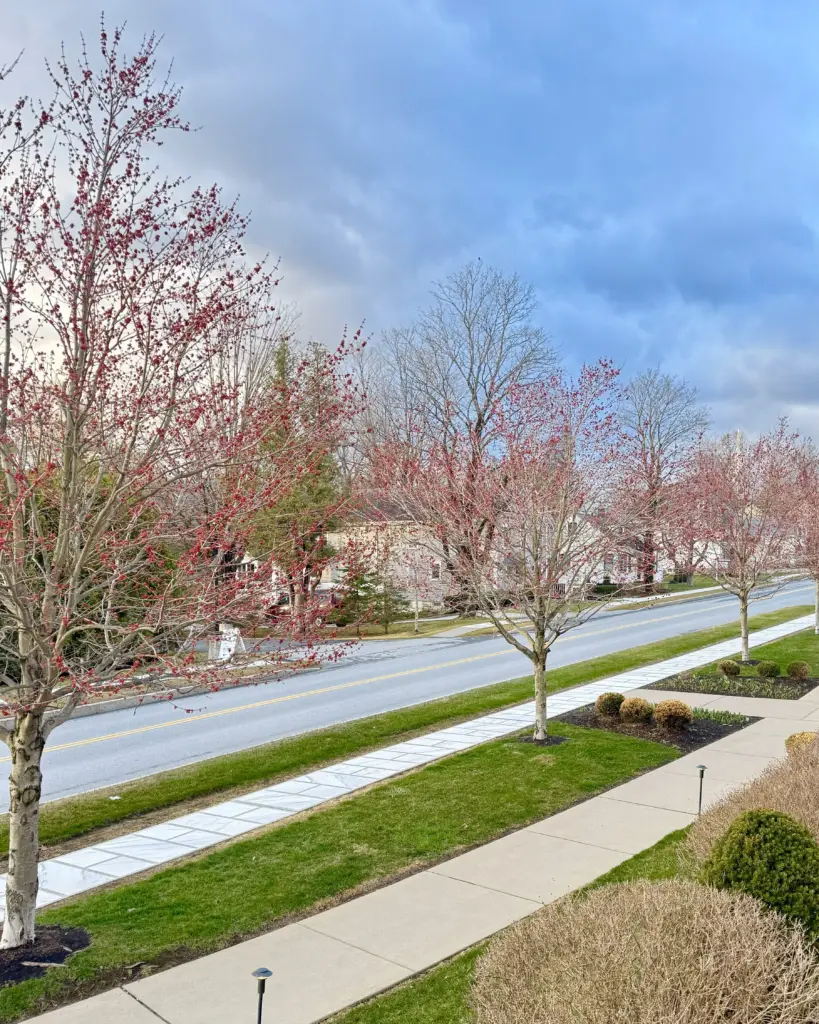
Why Does Manchester, Vermont Have Marble Sidewalks?
Southern Vermont was once home to a thriving marble industry, with high-quality stone quarried from this region and used for construction, architecture and monuments well beyond the state’s borders. Rather than reserving marble exclusively for grand buildings and decorative details, some of the locally available stone was also put to a much more practical use: paving sidewalks.
That’s why you’ll still encounter slabs of marble beneath your feet while exploring Manchester today.
The sidewalks have become part of the town’s distinctive appearance, particularly around its historic areas. Against Manchester’s older homes and buildings, white churches and mountain backdrop, the pale stone feels completely at home. But knowing where it came from makes it considerably more interesting.
You’re not simply walking on an unusual sidewalk material. You’re seeing a remnant of an industry that was once deeply connected to this part of Vermont.
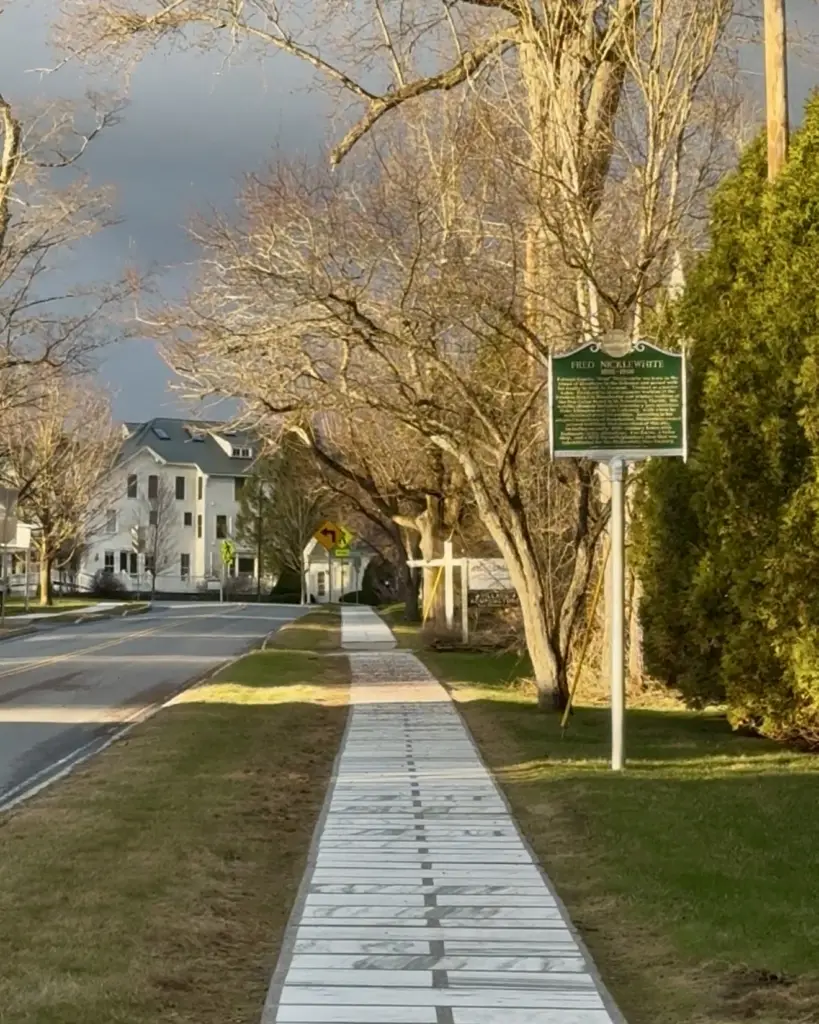
You’ll Find Marble Sidewalks in Dorset, Too
Manchester isn’t the only Southern Vermont town where you can spot marble underfoot. Head north toward Dorset and you’ll find more evidence of the region’s connection to the stone.
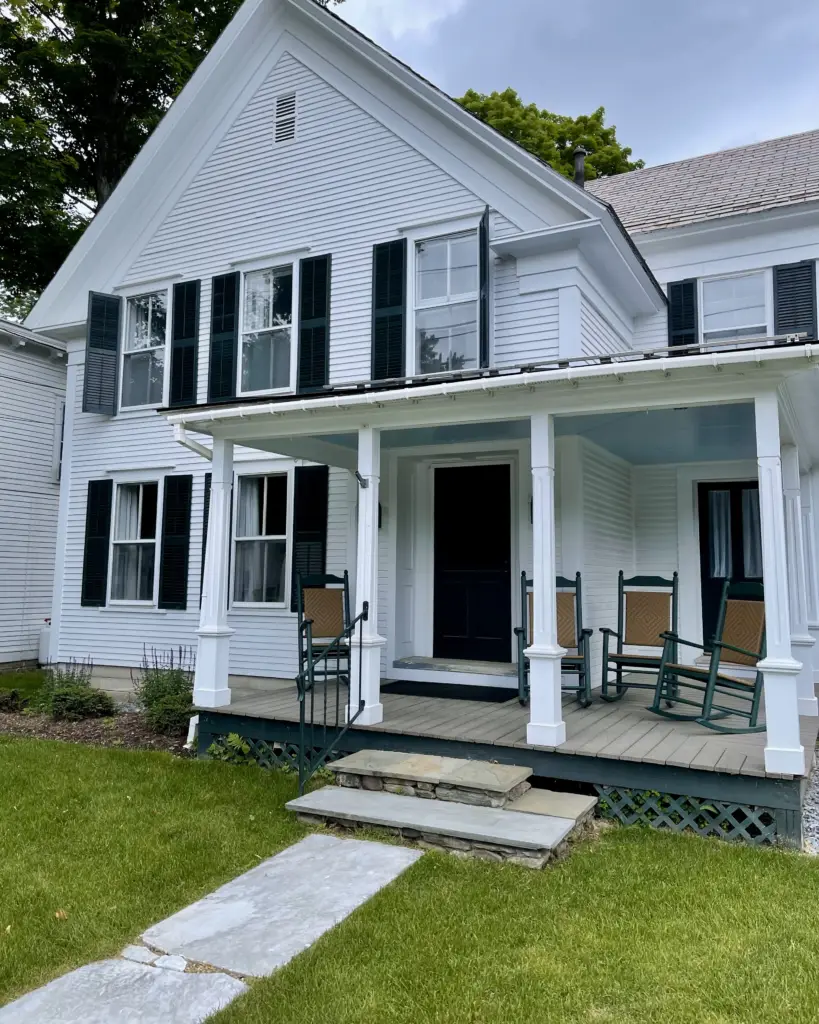
Dorset’s marble history runs especially deep. Marble quarrying in the area dates back centuries, and the stone became an important local resource. That history remains visible around town today, including in architectural details and the marble incorporated into its sidewalks.
It makes walking through Dorset Village particularly interesting. Look down as you explore and what might initially appear to be an attractive old sidewalk becomes another clue to the town’s past.
This is one of my favorite things about exploring Vermont’s smaller towns. You don’t necessarily have to visit a museum or historic attraction to encounter local history. Sometimes it’s built directly into the places people still use every day.
Vermont’s Marble Industry Shaped More Than Sidewalks
The marble beneath your feet is part of a much larger Vermont story.
For generations, marble quarrying and finishing were significant industries in Vermont, particularly in the western and southern portions of the state. Vermont marble became known far beyond New England and was used in prominent buildings, monuments and architectural projects around the country.
In towns close to the source, however, marble wasn’t only something destined for impressive projects elsewhere. It became part of the local landscape, too.
That’s what makes the sidewalks so interesting to me. They take a material we often associate with elaborate interiors, sculptures and monumental architecture and turn it into something incredibly ordinary: a place to walk.
Look Down While Exploring Manchester
If you’re visiting Manchester, add the marble sidewalks to the list of details to watch for while exploring town.
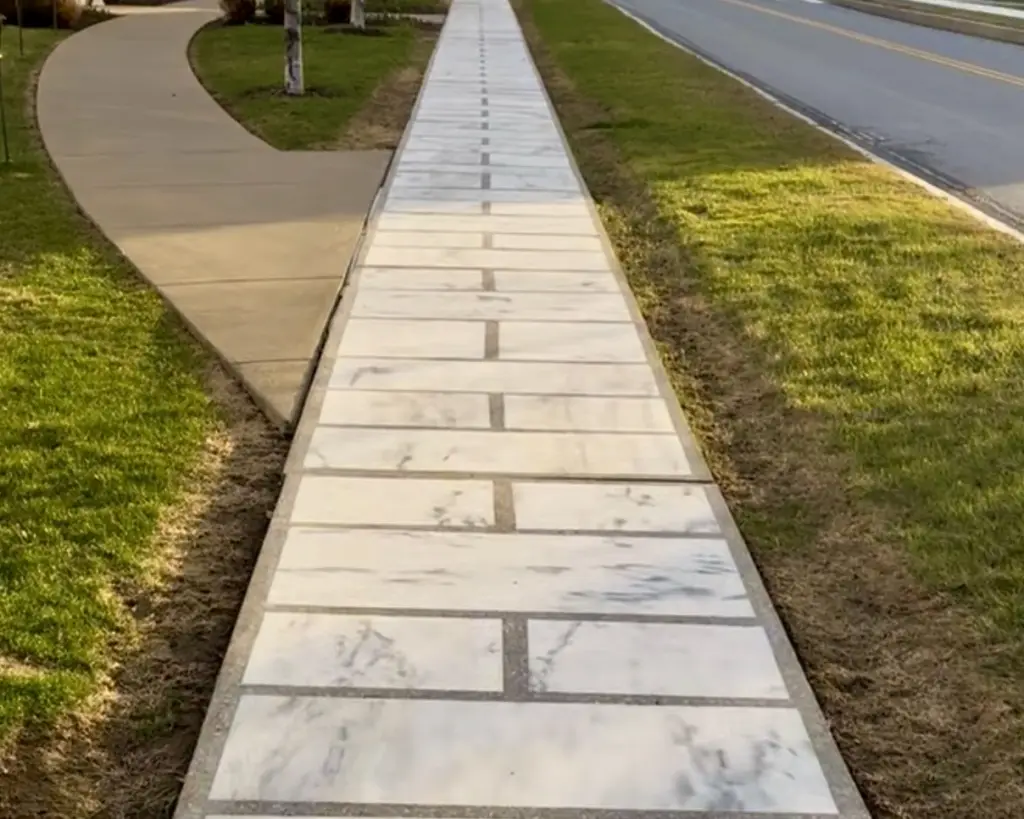
You don’t need to plan a separate excursion or carve out an hour of your itinerary. Simply pay attention while you’re walking. Look at the individual slabs, their variations and the way the surface reflects light differently than a typical concrete sidewalk.
They’re particularly beautiful when the sun hits them, and the smooth, pale surface can become even more noticeable after rain or during golden hour.
There is, however, one practical thing you should know before admiring them too enthusiastically.
Be Careful: Marble Sidewalks Can Be Slippery
Marble might look beautiful beneath your feet, but smooth stone and Vermont weather aren’t always the most cooperative combination.
The sidewalks can become extremely slippery when they’re wet, snowy or icy. If you’re visiting during a rainstorm or exploring Manchester or Dorset in winter, pay attention to where you’re stepping and take your time.
Consider it the less glamorous side of walking across a piece of Vermont history.
A Small Detail That Tells a Bigger Vermont Story
Manchester and Dorset have plenty of reasons to visit, from restaurants, shops and historic architecture to mountain views and access to some of Southern Vermont’s best outdoor experiences. But I think the smaller details are often what make exploring these towns especially interesting.
The marble sidewalks are a perfect example.
They’re functional, beautiful and so integrated into the landscape that you could easily walk across them without giving them a second thought. Once you know their connection to Southern Vermont’s marble industry, however, they’re hard not to notice.
So the next time you’re walking through Manchester or Dorset, look down.
Some of the most interesting Vermont history might be right beneath your feet.









Talk with locals
Comments
Be the first to chime in
Been here? Your tip could save the next visitor a wrong turn.