


There’s a particular time of year in Vermont when the days begin to warm, the nights are still cold, and steam starts rising from sugarhouses tucked into the countryside. The snowbanks slowly recede, dirt roads turn to mud, and maple producers across the state begin one of Vermont’s most beloved annual traditions.
It’s sugaring season!
While much of Vermont is still waiting for the first signs of green, our maple producers are already hard at work collecting sap, firing up evaporators, and transforming what looks like ordinary water into one of the state’s most recognizable products.
And one of my favorite ways to celebrate the arrival of spring is by visiting a working sugarhouse.
Every year, Vermont’s Maple Open House events give visitors an opportunity to step inside sugarhouses, meet the people behind the syrup, learn about the production process, and sample some pretty incredible maple treats along the way.
It’s one of those Vermont traditions that appeals to just about everyone. You don’t need to know anything about maple syrup production to appreciate the experience, and whether you’re a lifelong Vermonter or visiting for the first time, there’s always something new to learn.
Plus, any event that involves fresh maple syrup, donuts, sugar on snow, and an excuse to explore Vermont’s countryside is one I can get behind.
Here’s what to expect during Vermont Maple Open House Weekend, some of my favorite maple experiences to seek out, and tips for planning your own spring maple adventure.
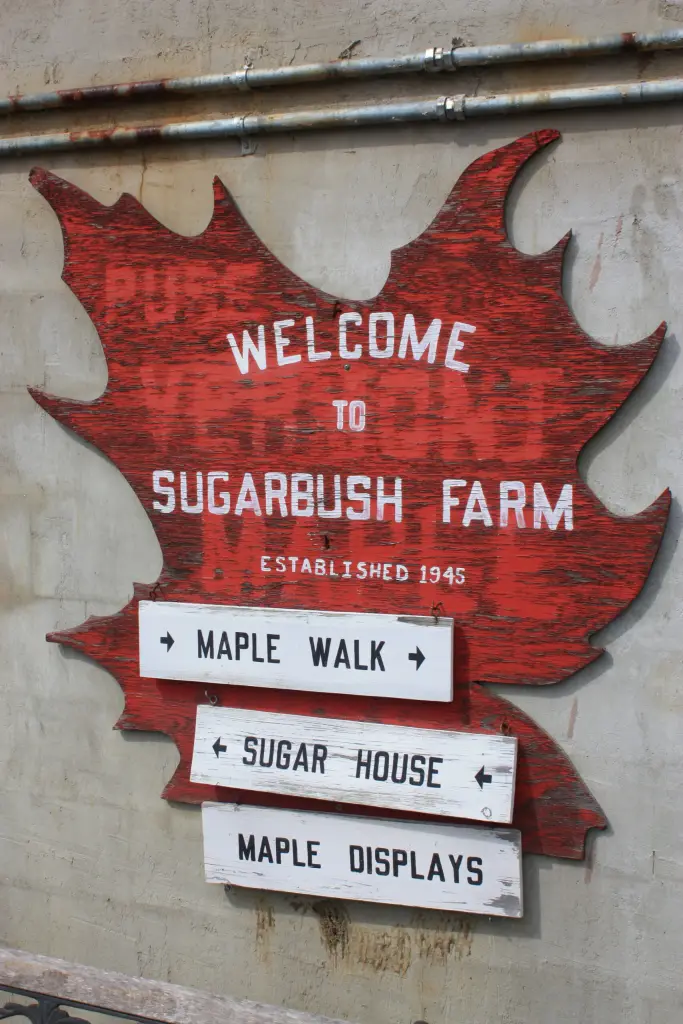
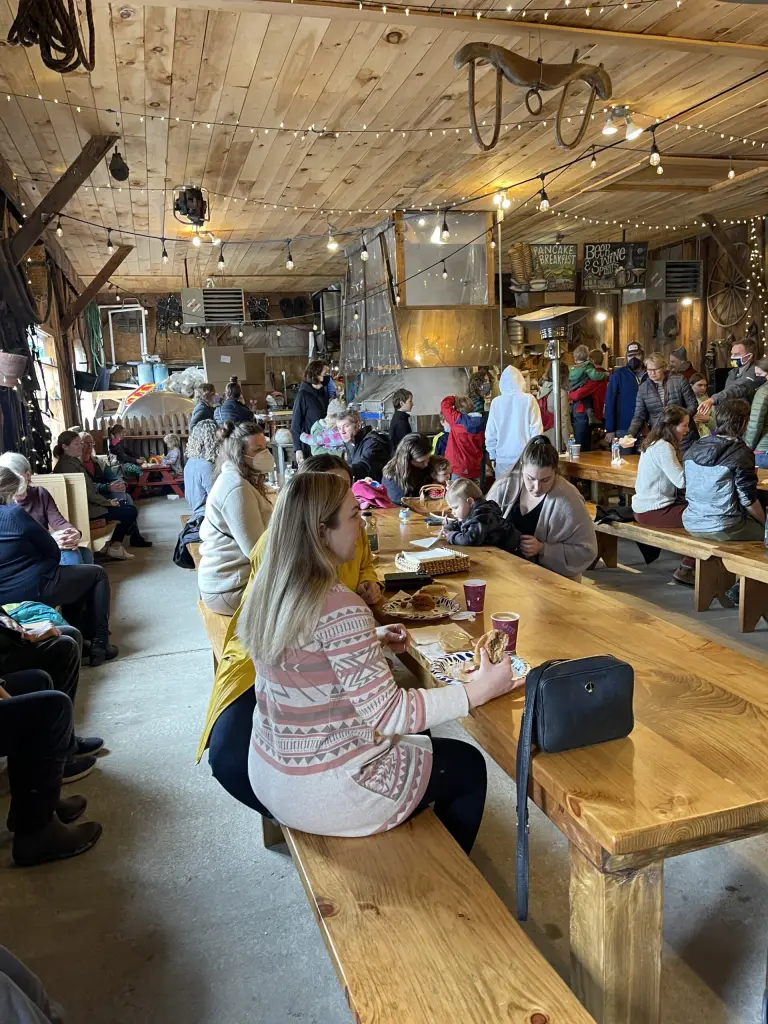
What Is Vermont Maple Open House Weekend?
Vermont Maple Open House Weekend is an annual celebration of the state’s maple sugaring industry, organized by the Vermont Maple Sugar Makers’ Association.
During designated weekends in sugaring season, participating maple producers welcome visitors to their sugarhouses and farms for a behind-the-scenes look at how Vermont maple syrup is made.
Some sugarhouses offer guided tours and demonstrations, while others create a full day of activities with pancake breakfasts, maple tastings, food vendors, family-friendly entertainment, and opportunities to purchase products directly from the producers.
One of the things I love most is that no two sugarhouse experiences are exactly alike.
You might visit a small family operation where the owner personally explains the sugaring process, then head to a larger farm with a bustling sugarhouse, outdoor activities, and an impressive assortment of maple treats.
And that’s part of the appeal.
Maple Open House Weekend isn’t about visiting one particular destination. It’s about getting out into Vermont’s communities, supporting local agriculture, and experiencing a tradition that has shaped our state for generations.
The events generally take place in March or early spring, depending on the annual schedule. Because dates, participating producers, and activities change from year to year, I recommend checking the Vermont Maple Sugar Makers’ Association for the current schedule and official list of participating sugarhouses.
1. Step Inside a Working Vermont Sugarhouse
If you’ve never been inside a working sugarhouse while maple syrup is being made, put it on your Vermont spring bucket list.
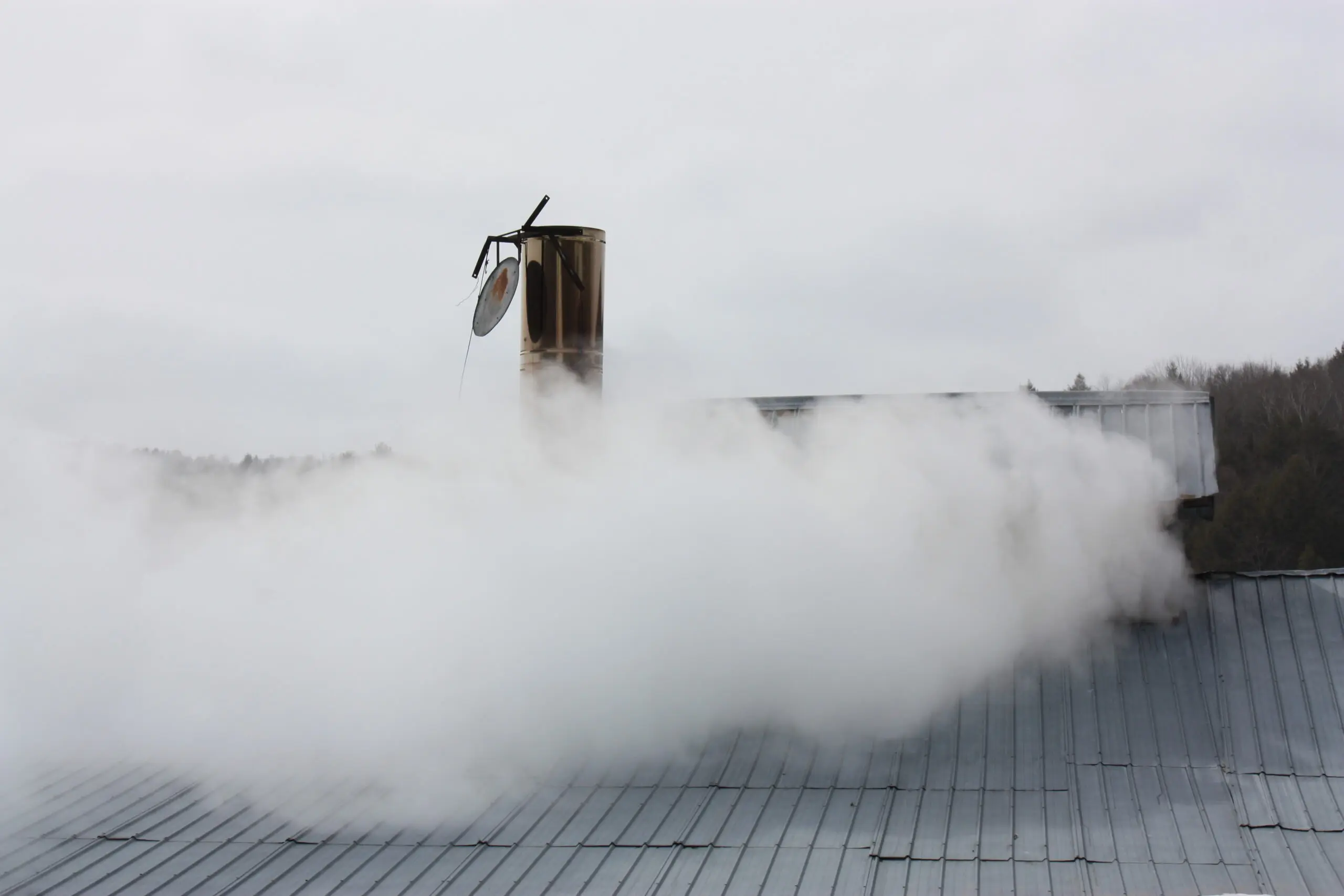
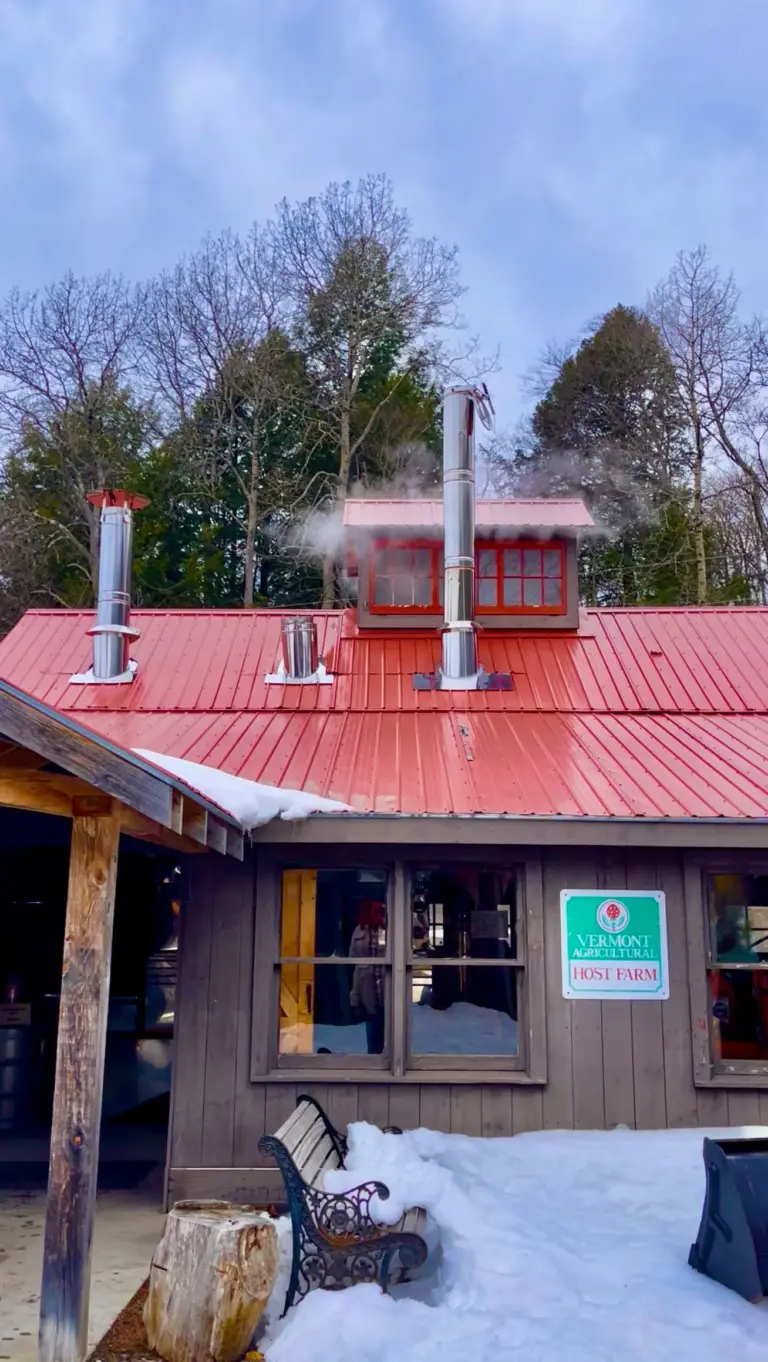
The first thing you’ll probably notice is the steam.
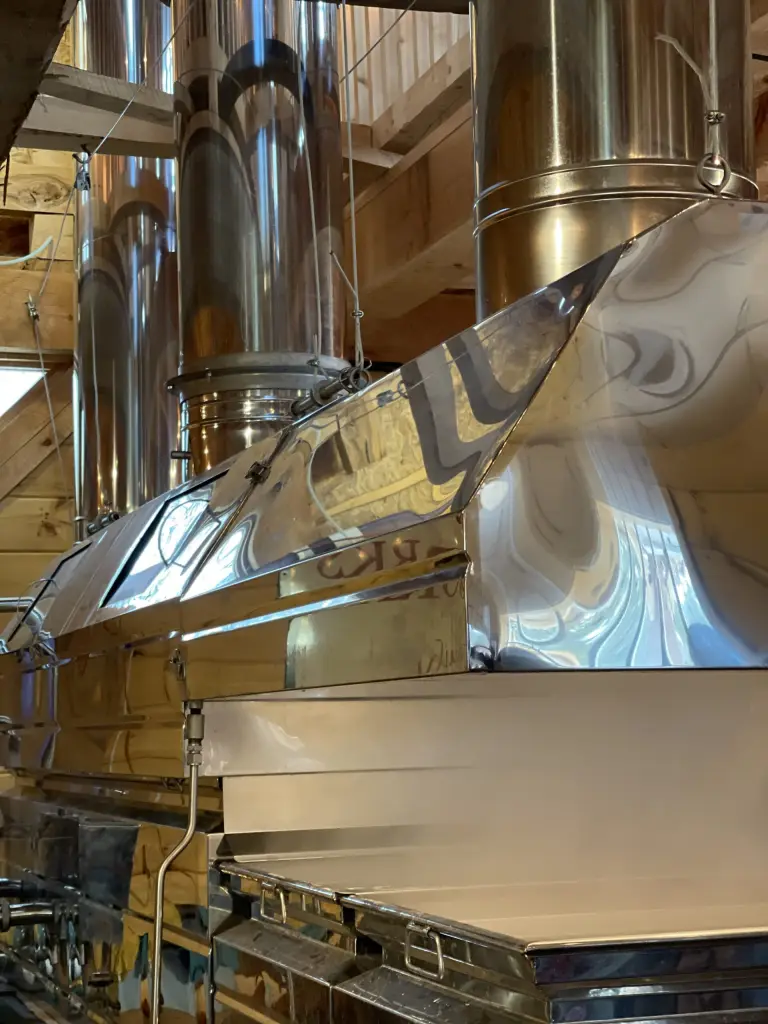
Depending on the operation, you’ll see large evaporators, stainless steel equipment, stacks of firewood, collection tanks, and plenty of activity as sugar makers monitor the process.
And then there’s the smell.
There’s something wonderful about the warm, slightly sweet aroma of boiling maple sap, especially when you step inside from a chilly Vermont spring morning.
What I appreciate most about visiting a sugarhouse is getting to see the work that goes into producing something many of us take for granted.
It’s easy to pick up a bottle of Vermont maple syrup at the grocery store without giving much thought to how it got there.
But when you visit a working sugarhouse, you begin to understand the amount of time, equipment, planning, and knowledge involved.
You’ll also realize that maple sugaring is an operation heavily dependent on Mother Nature.
A successful season requires the right combination of temperatures, healthy maple trees, and plenty of work from the people collecting and boiling the sap.
Local’s Tip: Ask the sugar maker whether they’re actively boiling during your visit. Watching an evaporator in action is one of the most interesting parts of the experience, but boiling schedules depend on sap availability and weather conditions.
2. Learn How Vermont Maple Syrup Is Made
One of the best parts of Maple Open House Weekend is learning about the maple sugaring process directly from the people who do it.
Maple syrup production is a fascinating combination of agricultural tradition, science, and modern technology.
The process begins in the sugarbush, the wooded area where maple trees are tapped to collect sap.
As winter transitions into spring, freezing nights followed by warmer days create pressure changes within maple trees that help sap flow when conditions are right.
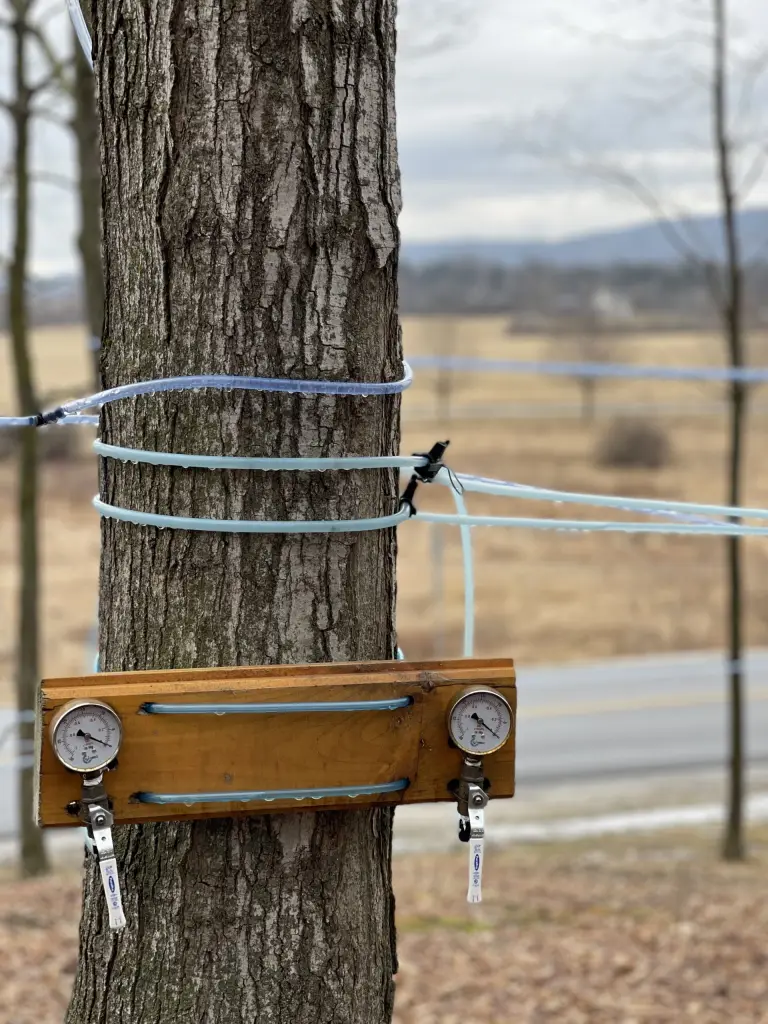
Sugar makers collect the sap using either traditional buckets or modern tubing systems that carry sap from the trees to collection tanks.
From there, the sap is transported to the sugarhouse, where much of its water content is removed through boiling, often with the help of reverse osmosis equipment.
The result is pure maple syrup.
It generally takes around 40 gallons of maple sap to produce one gallon of finished syrup, although the exact ratio varies depending on the sap’s sugar content.
That means an incredible amount of sap, energy, and effort goes into producing even a relatively small quantity of syrup.
During Maple Open House Weekend, many producers are happy to explain how their systems work, show visitors their equipment, and answer questions about everything from tree tapping to syrup grading.
I particularly enjoy learning about how different sugar makers approach the process. Some operations have been passed down through generations, while others are newer businesses combining traditional techniques with modern technology.
And even if you’ve visited a sugarhouse before, there’s always something new to appreciate.
3. Try Sugar on Snow, One of Vermont’s Best Spring Traditions
If there’s one maple treat I think everyone should try at least once, it’s sugar on snow.
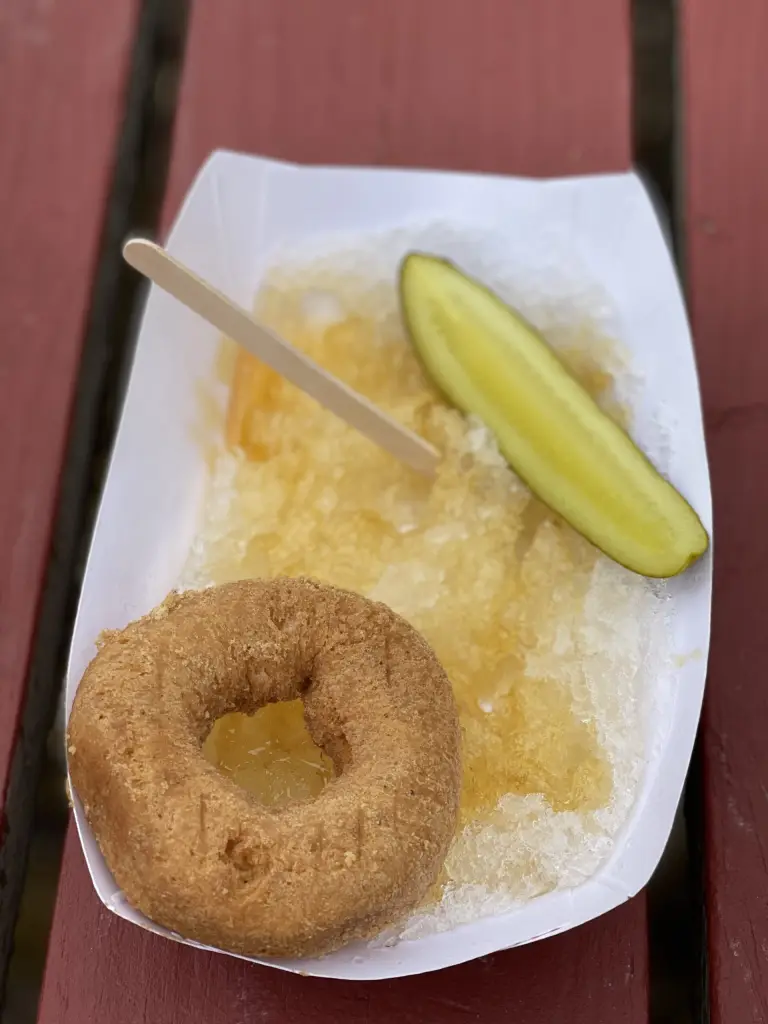
This traditional Vermont treat is made by pouring hot maple syrup over packed snow, where it quickly thickens into a chewy, taffy-like consistency.
It’s sweet, sticky, and one of those foods that seems to taste even better when you’re enjoying it at a working sugarhouse.
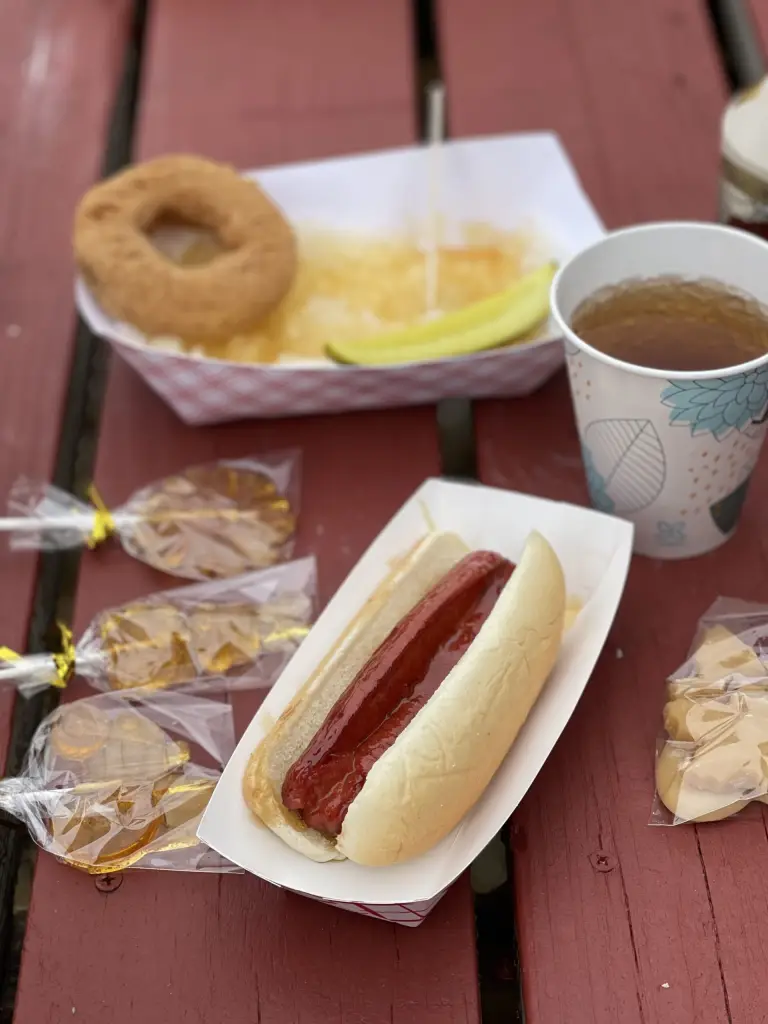
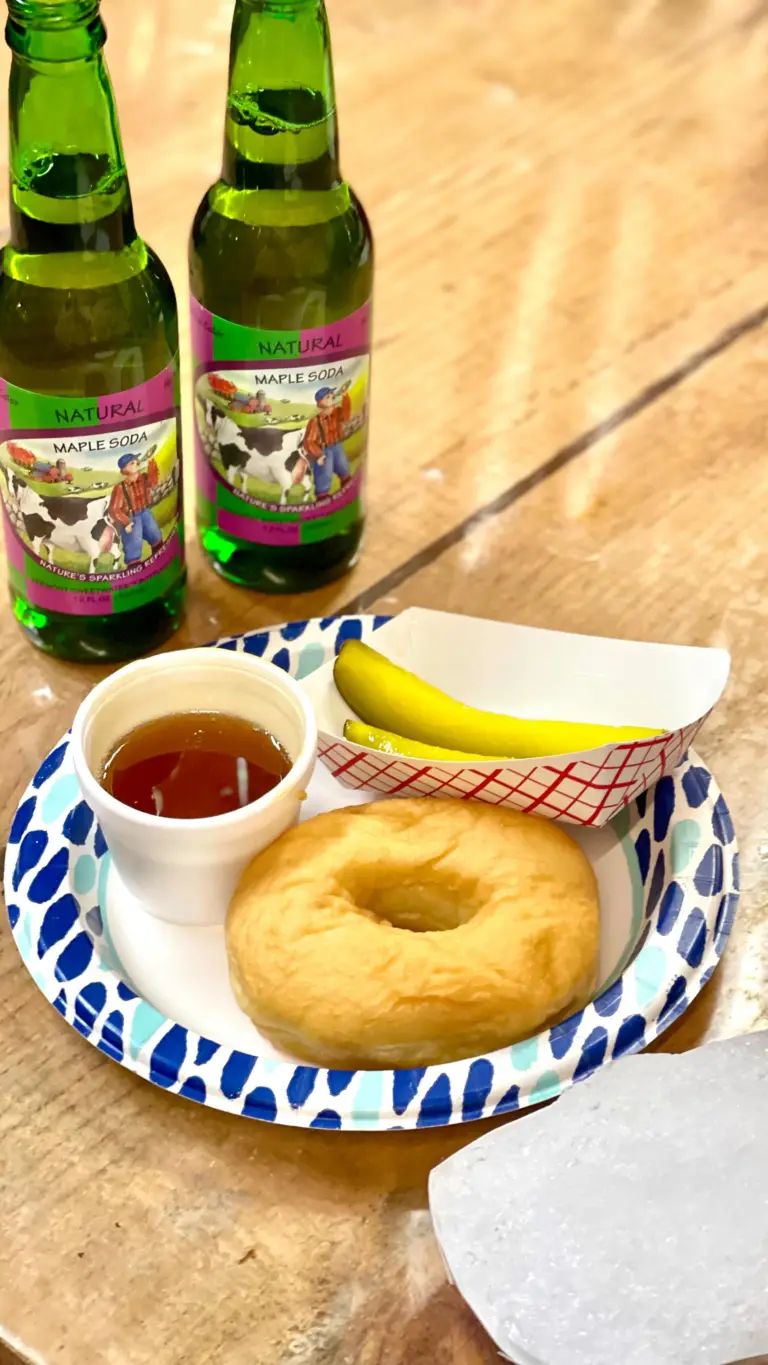
And yes, it’s traditionally served with a plain donut and a pickle.
If you’ve never encountered this combination before, I understand why it might sound strange.
But the idea is that the donut and pickle help balance out the sweetness of the maple syrup.
It’s a very Vermont experience, and one that I think is worth trying even if you’re a little skeptical about the accompaniments.
Sugar on snow is especially popular during maple sugaring season, and many participating sugarhouses offer it as part of their open house activities.
Just keep in mind that not every sugarhouse serves the same treats, so check ahead if sugar on snow is high on your list.
Local’s Tip: Don’t be afraid to ask how the sugar on snow is prepared. Watching hot maple syrup transform into a soft, chewy treat is almost as entertaining as eating it.
4. Eat Your Way Through Vermont’s Maple Treats
I have a pretty serious sweet tooth when it comes to maple, and Maple Open House Weekend is an excellent excuse to indulge.
While pure maple syrup is the star of the show, Vermont’s sugar makers and local food producers have come up with all sorts of creative ways to incorporate it into sweet and savory treats.
Some of my favorites to look for include:
- Sugar on snow with a donut and pickle
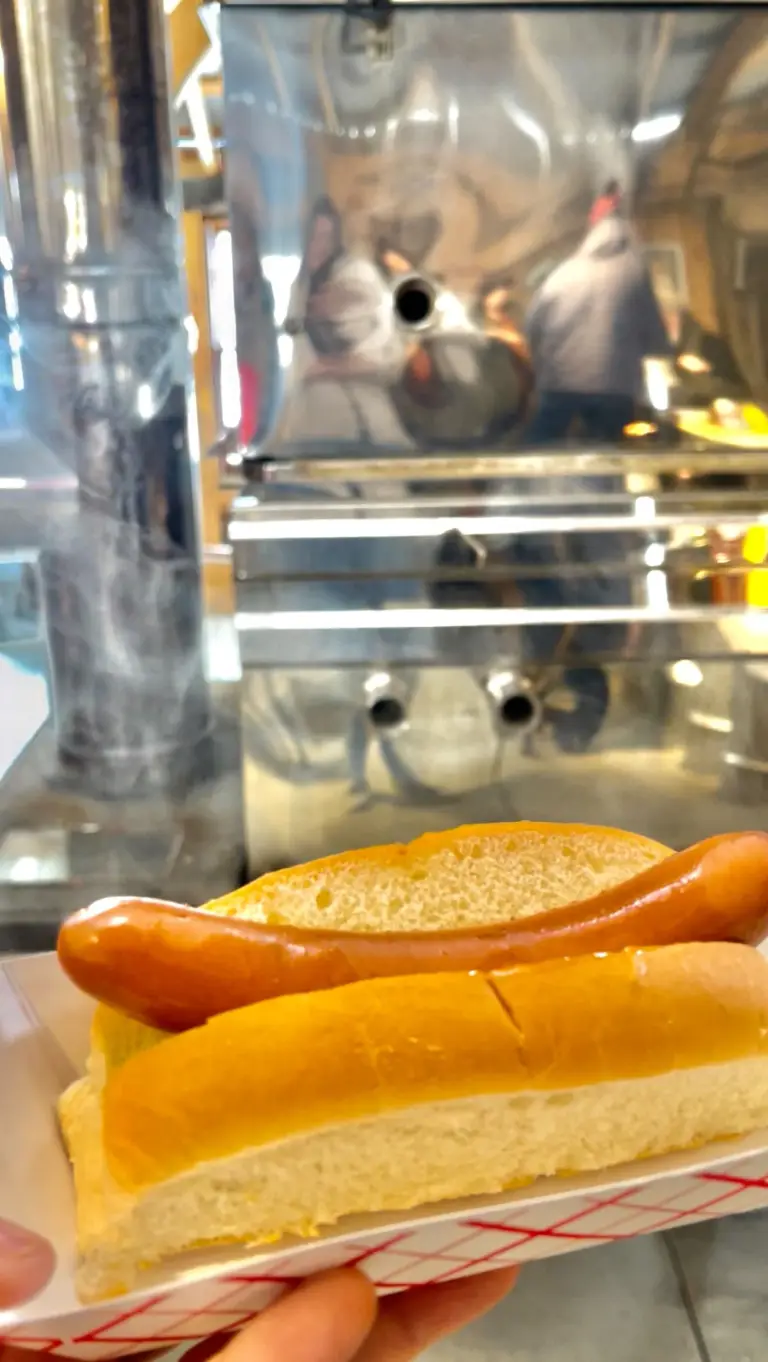
- Sap hot dogs, sometimes boiled in maple sap
- Maple-glazed donuts and cookies
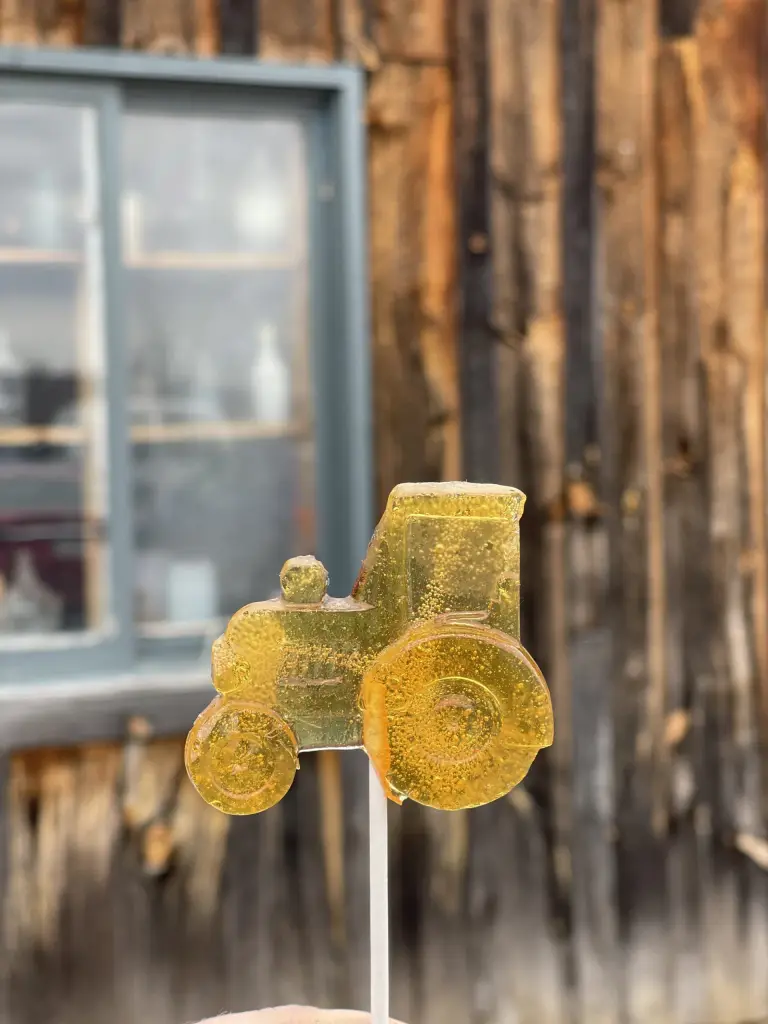
- Creemees, cotton candy and lollipops
- Popcorn and roasted nuts
- Maple candy and maple cream
- Maple-infused savory dishes, including chili and barbecue
One of the things I find particularly interesting is how maple syrup can be used in savory foods.
Most people associate maple with pancakes, waffles, and desserts, but it can also add depth to marinades, glazes, sauces, and other dishes.
And if you’ve never tried a hot dog cooked in maple sap, you’re missing out on a very Vermont tradition.
Of course, the availability of these treats varies by sugarhouse, and some producers focus more on tours and syrup tastings than food.
That’s why I always recommend looking at individual event descriptions before planning your route.
Local’s Tip: Come hungry. Between syrup samples, maple candy, donuts, and other treats, it’s surprisingly easy to turn a sugarhouse visit into an entire meal.
5. Taste the Differences Between Vermont Maple Syrups
One of the most interesting things you can do during Maple Open House Weekend is sample different grades of maple syrup.
If you think all pure maple syrup tastes the same, you might be surprised.
Vermont maple syrup is classified by color and flavor, with four primary Grade A classifications:
- Golden Color with Delicate Taste
- Light in color with a subtle maple flavor. It’s wonderful for people who prefer a more delicate sweetness.
- Amber Color with Rich Taste
- A classic, balanced maple flavor that works beautifully on pancakes, waffles, and French toast.
- Dark Color with Robust Taste
- A stronger maple flavor that stands up particularly well in cooking and baking.
- Very Dark Color with Strong Taste
- A bold, intense maple flavor that’s especially useful when you want the maple to stand out in a recipe.
And here’s something worth knowing: darker syrup isn’t necessarily lower quality.
The color and flavor of syrup can change throughout the sugaring season, influenced by conditions in the sap and the production process.
I enjoy sampling the different grades side by side because it gives you a better appreciation for just how much variety exists within a product made from a single ingredient.
You may also notice differences between producers, even when they’re making the same grade of syrup.
That’s part of what makes visiting multiple sugarhouses so interesting.
6. Meet the Vermont Sugar Makers Behind the Syrup
One of the things I value most about Vermont’s agricultural community is the opportunity to meet the people behind the products.
And Maple Open House Weekend is a wonderful example of that.
Many Vermont sugarhouses are family-owned operations, some with histories spanning multiple generations.
Others are newer businesses started by people who developed a passion for maple sugaring and decided to turn it into something more.
When you visit a sugarhouse, you often have the chance to speak directly with the people who tap the trees, maintain the equipment, collect the sap, and boil the syrup.
Ask them how they got started. Inquire about how many trees they tap. Learn what makes a good sugaring season or what challenges they face when the weather doesn’t cooperate.
You’ll quickly realize that there’s a lot more to maple syrup than simply boiling sap.
Maple production requires knowledge of the land, careful forest management, investment in equipment, and the ability to adapt to changing weather conditions.
And because Vermont is the leading maple syrup-producing state in the United States, these operations play an important role in both our agricultural economy and our identity.
Supporting local sugar makers means supporting the people who continue this tradition.
7. Enjoy Family-Friendly Activities at Vermont Sugarhouses
Maple Open House Weekend is a particularly fun activity for families because it combines education, food, and opportunities to spend time outdoors.
Depending on the participating sugarhouse, you might find activities such as pancake breakfasts, horse-drawn wagon rides, children’s games, maple demonstrations, live music, or other seasonal entertainment.
Some farms also have animals to visit or opportunities to explore parts of the property.
I think it’s a wonderful way to introduce kids to where their food comes from.
Rather than simply seeing maple syrup poured onto pancakes, they get to learn that it starts with trees in the woods and requires a tremendous amount of work to produce.
And there’s something pretty entertaining about watching kids try sugar on snow for the first time.
Not every sugarhouse offers organized activities, but even a simple tour can be a memorable outing.
Local’s Tip: If you’re visiting with young children, look for sugarhouses advertising family activities and allow extra time. Some of the larger events can easily fill an entire morning or afternoon.
8. Turn Maple Open House Weekend Into a Vermont Road Trip
One of my favorite things about Maple Open House Weekend is that it provides an excuse to visit parts of Vermont I might not otherwise explore during early spring.
Sugarhouses are scattered throughout the state, from the Champlain Valley and the Green Mountains to Southern Vermont and the Northeast Kingdom.
And because each operation is different, it’s fun to visit more than one.
You might start with a small family sugarhouse offering tours and tastings, then head to a larger operation with food and activities before finishing your day with a stop at a Vermont general store or local restaurant.
Some areas around Vermont worth considering include:
- Chittenden County
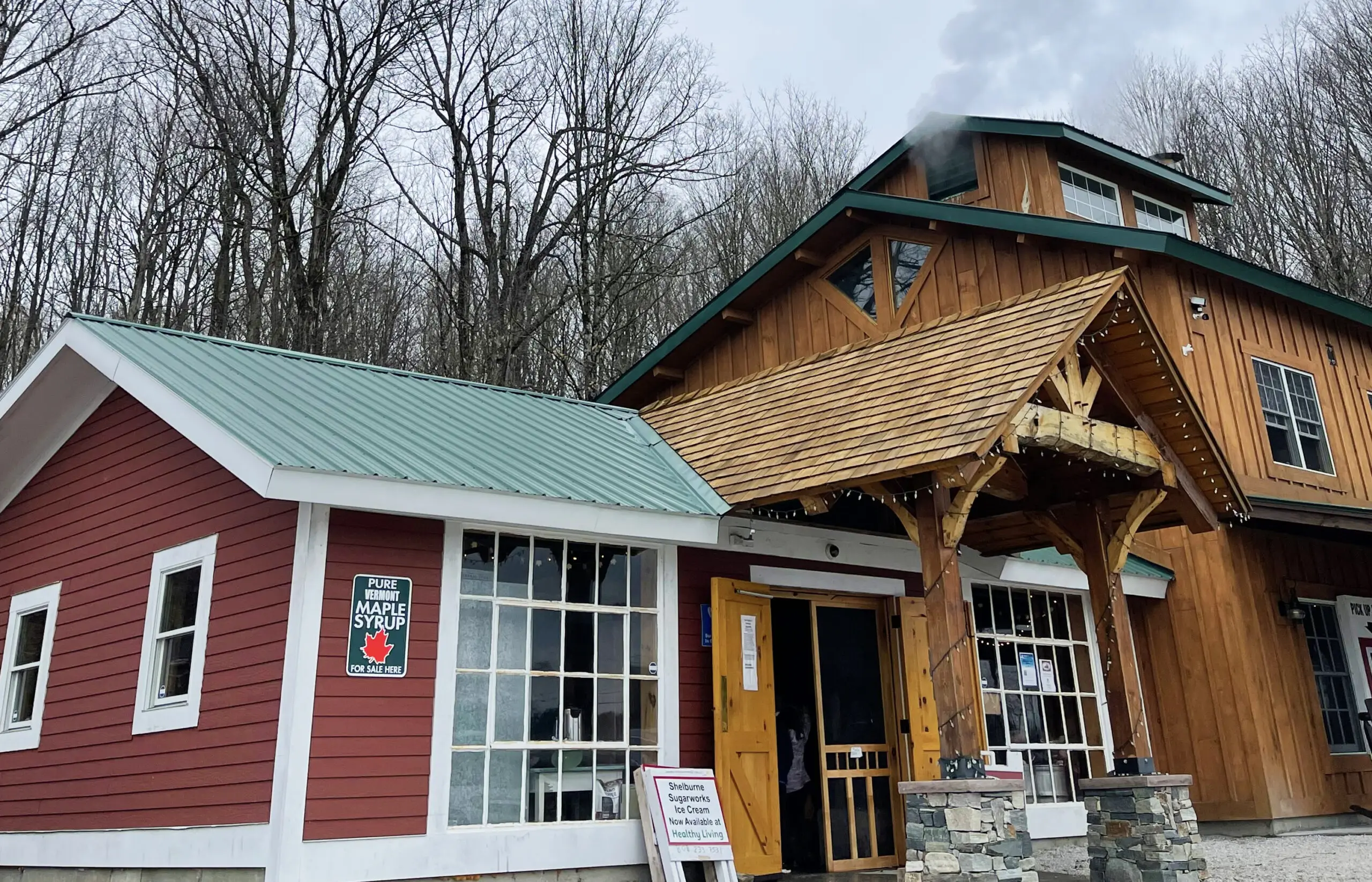
- The Shelburne, Williston, Jericho, Essex, and Underhill areas have a long history of maple production. Sugarhouses such as Palmer’s Sugarhouse, Sugartree Maple Farm, and Shelburne Sugarworks have been featured in past maple events.
- Addison County
- The countryside surrounding Middlebury, Cornwall, Shoreham, Lincoln, and Ferrisburgh offers beautiful agricultural scenery and a variety of maple producers. Dakin Farm is also a familiar Vermont destination for maple products and other locally produced foods.
- Central Vermont
- The East Montpelier area is home to Bragg Farm Sugarhouse, a longtime destination for Vermont maple products and a popular stop for families.
- Stowe and the Lamoille Valley
- The surrounding hills and sugarbushes make this a beautiful area for appreciating Vermont’s maple heritage. Nebraska Knoll Sugar Farm is one of the area’s established maple producers.
- The Northeast Kingdom
- Northern Vermont’s rural landscape is particularly well suited to maple production, and producers such as Jed’s Maple Products in Derby have offered opportunities to learn more about the craft.
- Southern Vermont and the Woodstock Area
- Farms and sugarhouses around Woodstock, Barnard, and the surrounding countryside offer another opportunity to combine maple experiences with a scenic Vermont day trip.
These are examples of Vermont maple destinations, not a confirmed list of current Maple Open House participants. For an accurate list of participating sugarhouses, current addresses, activities, and hours, consult the official event directory.
And remember, Vermont’s dirt roads can be particularly challenging during sugaring season.
Which brings me to a few important tips.
Tips for Visiting Vermont During Maple Open House Weekend
If you’re planning a spring maple adventure, a little preparation can make the day much more enjoyable.
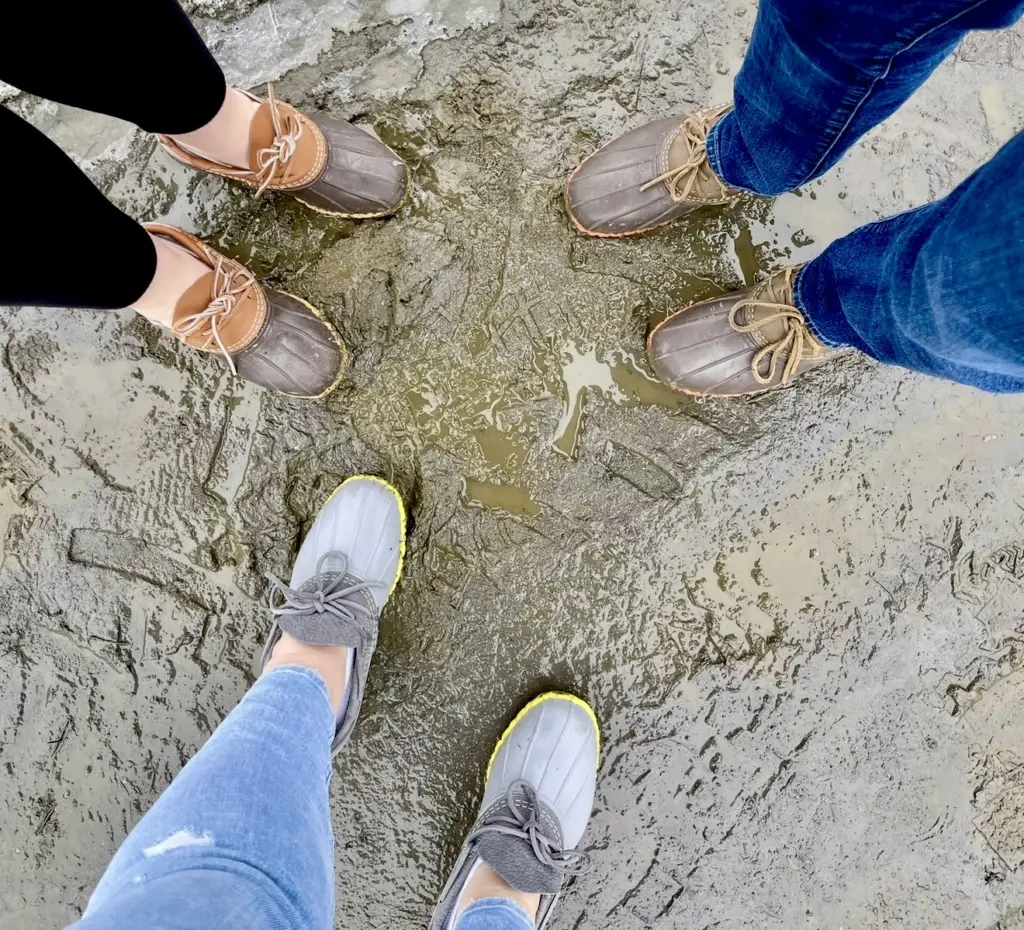
Dress for Mud Season
Maple sugaring season happens during one of Vermont’s most unpredictable stretches of weather.
You might have sunshine and temperatures in the 50s one day, followed by snow, freezing rain, or a chilly wind the next.
Dress in layers and wear footwear that can handle mud, wet grass, and uneven surfaces.
I’m a big fan of boots that are easy to slip on and off, especially if you’re visiting multiple locations throughout the day.
Pay Attention to Dirt Road Conditions
Vermont’s dirt roads can become deeply rutted and extremely muddy during the spring thaw.
And I can tell you from experience that mud season driving isn’t always particularly enjoyable.
Before heading to a rural sugarhouse, check road conditions and consider whether your route includes unpaved roads.
Four-wheel drive or all-wheel drive may help in some conditions, but neither guarantees safe travel on severely muddy roads.
If a road is posted as closed or appears impassable, choose another route or another destination.
Bring Cash
While many Vermont businesses accept credit cards, some smaller sugarhouses may have limited connectivity or prefer cash during busy events.
Having some cash on hand is always a good idea, especially if you’re planning to purchase maple products or food.
Check Each Sugarhouse’s Schedule
Not every participating producer offers the same activities, and hours may vary.
Some sugarhouses may host events throughout an entire weekend, while others open for just a few hours or on a single day.
And because sap flow depends on weather conditions, active boiling demonstrations can’t always be guaranteed.
Check the official Maple Open House directory and individual sugarhouse websites or social media pages before visiting.
Bring an Appetite and Leave Room in Your Car
Between maple syrup, candy, cream, donuts, and other treats, there’s a good chance you’ll leave with more than you planned to buy.
And if you’re visiting multiple sugarhouses, it’s fun to bring home syrup from different producers to compare.
Just make sure your purchases are safely packed before heading down Vermont’s bumpy spring roads.
Fun Facts About Vermont Maple Syrup
Vermont’s maple industry is full of interesting history and traditions, and there’s a lot more to the process than most people realize.
Here are a few of my favorite maple facts:
- Vermont is the largest maple syrup-producing state in the United States. In many recent years, the state has produced roughly half or more of the country’s maple syrup.
- It takes approximately 40 gallons of maple sap to make one gallon of syrup. The exact amount depends on the sap’s sugar concentration.
- Maple syrup has only one ingredient. Pure maple syrup is made by concentrating the naturally occurring sugars in maple sap.
- Sugaring season depends on temperature. Freezing nights and warmer days help create the conditions necessary for sap flow.
- Maple trees need to reach a suitable size before tapping. Sugar makers generally assess trunk diameter rather than age alone, although trees often need several decades of growth before they’re ready.
- A typical maple season lasts several weeks. The timing and length vary depending on the weather and location.
- Maple syrup comes in different grades. Color and flavor range from golden and delicate to very dark and strong.
- Modern maple production combines tradition with technology. Tubing systems, vacuum pumps, reverse osmosis equipment, and efficient evaporators help producers collect and process sap.
- Maple sugaring has a much longer history than Vermont itself. Indigenous peoples in northeastern North America developed maple harvesting and processing traditions long before European settlement.
- Vermont maple syrup is enjoyed around the world. But there’s something particularly satisfying about purchasing a bottle directly from the sugar maker who produced it.
When Is Maple Sugaring Season in Vermont?
Maple sugaring season generally takes place from late winter into early spring, although the timing can vary significantly from year to year.
In many parts of Vermont, producers begin tapping trees and collecting sap sometime between February and March, depending on the weather.
The season typically continues into March or April, ending as temperatures warm and the trees begin transitioning toward spring growth.
Northern Vermont and higher elevations may have different timing than lower-elevation areas farther south.
That’s why I always recommend planning maple experiences around current conditions and event schedules rather than assuming the season will follow the exact same timeline every year.
If you’re hoping to see syrup being made, the annual Maple Open House events are a wonderful opportunity, but many sugarhouses also offer other opportunities to visit or purchase products throughout the year.
Why Vermont Maple Open House Weekend Is Worth Experiencing
I think one of the reasons I love Maple Open House Weekend so much is that it celebrates something deeply connected to Vermont’s identity.
It’s not an elaborate tourist attraction or an experience created solely for visitors.
Maple sugaring is part of Vermont’s working landscape, carried on by families, farmers, and producers who dedicate an incredible amount of time and energy to the craft.
And during a season when much of the state is still muddy, brown, and waiting for spring, there’s something particularly enjoyable about getting out and celebrating what Vermont does so well.
You get to meet the people behind the products, learn something new, sample delicious food, and appreciate the traditions that make our small communities interesting.
Plus, it’s a pretty good excuse to eat maple donuts before lunch.
Whether you visit one sugarhouse or turn the weekend into a full Vermont road trip, I’d encourage you to make time for this spring tradition.
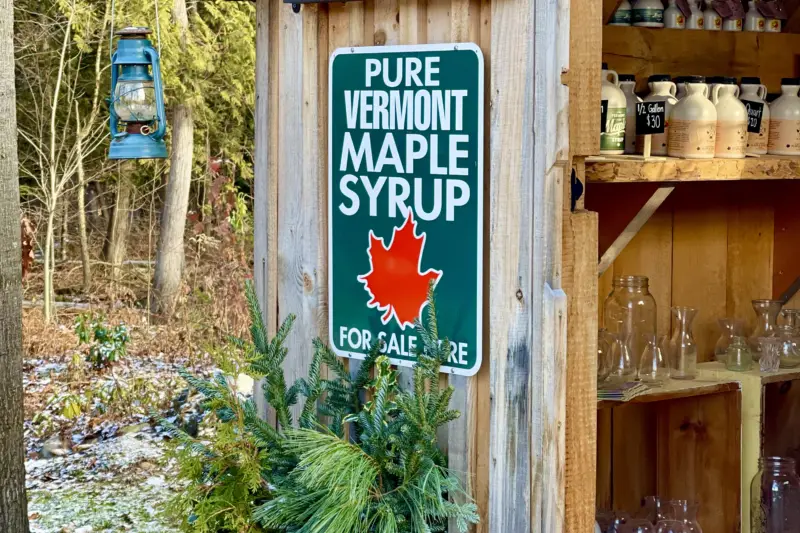
And don’t forget to bring home a bottle of pure Vermont maple syrup.







Nice article and it is wonderful to see writers paying attention to the agribusiness side of Vermont life. Is this a comprehensive list of sugaring houses observing maple sugar days in Vermont? Not one to jump to conclusions, but am unconvinced that other sugar houses – such as those in Orange, Franklin, Caledonia, et al. – are shunning the open house weekend (March 25-26) wholesale.
Hi Chandler – thanks for the question! This is definitely NOT a comprehensive list – just some of my favorite sugar houses to visit (and a few I’ll be visiting these upcoming weekends). There are over 75 in Vermont participating in Open House Maple Weekend and many, many maple producers throughout the state. I would recommend contacting your favorite sugar houses directly to see if they are participating or putting on any special events. Happy maple season! ~Erin